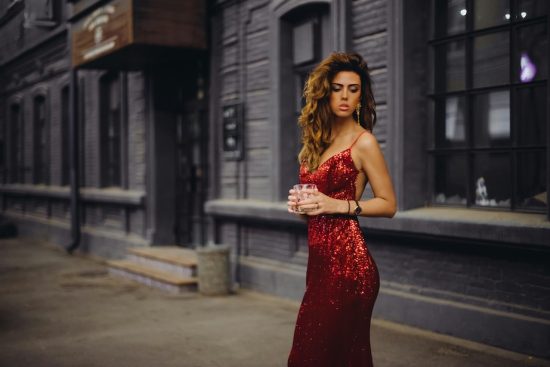


New York weddings come with their own set of dressing puzzles. The ceremony might be in a Midtown hotel ballroom, the reception on a Brooklyn rooftop, and the weather might change its mind three times before the first toast. Add a subway ride or a long wait for a car, and the outfit has to be sturdier than it looks.
Most guests begin by searching for a wedding guest dress, then realize the right one depends on far more than the dress code on the invitation. Venue, season, transportation and even the coat check line all play a part, and a city wedding rewards anyone who thinks a few steps ahead.
Let the Venue Set the Tone
Hotel ballrooms, museums and historic townhouses generally lean formal, which means long or midi dresses in elegant fabrics. Lofts, restaurants and rooftop terraces tend to be more relaxed, though “relaxed” at a New York wedding still usually means polished. Botanical gardens and waterfront venues add wind, grass and uneven paths to the mix, so a steadier shoe and a skirt that behaves in a breeze become the priority.
Not sure which category the venue falls into? The photos on the couple’s wedding website usually tell the story. If guests in the background are standing under chandeliers, dress up. If there are string lights and picnic tables, a dressy midi will do nicely.
Black Is a Safe Bet, but Not the Only One
Black is practically a New York uniform, and it’s perfectly acceptable at evening weddings. The trick is keeping it from looking like a workday carryover. Texture helps: velvet, satin, lace or crepe with interesting draping all lift a black dress into evening territory. A bright lip, a metallic bag or statement earrings do the rest.
For anyone ready to branch out, deep jewel tones such as emerald, sapphire and garnet suit fall and winter weddings beautifully, while soft sage, dusty blue and warm terracotta work in spring and early summer. White, ivory and anything close to them should stay off the list, no matter how chic the cut.
Plan for the Commute
Few things test an outfit like getting from a Brooklyn apartment to a ceremony in Manhattan. Long hems drag on subway stairs, delicate fabrics snag on seats and stiletto heels aren’t built for cobblestones. If the trip involves public transit, a dress that skims the ankle rather than the floor makes life easier, and a pair of flats tucked into a tote costs nothing but a little space.
Weather deserves a place in the plan too. A winter wedding calls for a proper coat that suits the dress, not an oversized puffer that crushes the skirt. Most venues offer coat check, which means the outerwear can come off at the door and the dress can take center stage.
Think About the Whole Evening
City weddings often stretch from a late-afternoon ceremony to a midnight send-off, and the outfit has to survive all of it. Comfort counts. A dress with some give at the waist, a lining that doesn’t cling and a neckline that stays put through hugging, dancing and photos is worth more than any trend.
Shoes deserve a fair share of the attention. Block heels, wedges and dressy flats all look good and last longer than skinny stilettos. Breaking them in around the apartment a week ahead is a small step that pays off by the second dance.
Dress for the Season, Not Just the Date
A June wedding on a rooftop calls for breathable fabrics and a layer for the air conditioning indoors, which can feel arctic. An October wedding might swing from a warm afternoon to a chilly night, so a wrap or tailored jacket earns its spot in the bag. Come January, long sleeves, velvet and richer colors make sense, along with shoes that can handle slush on the walk from the curb.
Accessories That Earn Their Place
A small clutch or crossbody holds the essentials without weighing anything down. Jewelry works best when it complements the neckline, so a plunging V suits a pendant while a high neck pairs better with earrings alone. Anything that jingles, snags or needs constant adjusting can stay home.
Sizing, Tailoring and Last-Minute Fixes
Ordering a dress a few weeks ahead leaves time for returns and alterations, both of which are common. A hem that’s half an inch too long can catch a heel, and a bodice that gapes at the back is an easy fix for a good tailor. Many neighborhood shops can turn around simple adjustments within a week, though wedding season can stretch that, so booking early helps. Trying the dress on with the actual shoes, jewelry and undergarments planned for the day gives the most honest picture of how it’ll look and feel.
Final Touches Before Heading Out
Steaming the dress the night before, packing blotting papers, a stain pen, bobby pins and a phone charger, and leaving enough time to arrive without rushing make a bigger difference than expected. A city wedding rewards guests who show up relaxed, well dressed and ready to enjoy the evening.
Photo by Vladimir Fedotov on Unsplash
Contributed posts are advertisements written by third parties who have paid Woman Around Town for publication.