What do you use on your hair to tame stray strands quickly? A messy bun can come undone at any moment, and that scrunchie may not give you instant relief from those small hairs at the sides. They can constantly brush against your cheeks and nose, interfering with your focus. But headbands are perfect. These hair accessories know precisely what you need. You simply slide one onto your head, and all the hair settles into place. That’s the magic these fashion accessories carry. Interestingly, headbands also have a long history, showing that their significance goes far beyond just being a functional piece. Let’s briefly explore their roots and evolution throughout the years.
- Headbands in Ancient Times
What you use today as part of your fashion wardrobe first appeared thousands of years ago in ancient civilizations as a functional piece that also denoted the wearer’s power, status, and strength. The ancient Greeks called them fillets. Athletes wore them during competitions to keep their hair in place. These headbands could be made of cloth, ribbon, or wool. Winners of the Olympic Games were honored with circular headpieces or laurel wreaths. Headbands were also part of the Greeks’ daily lifestyle. They used them to create elaborate hairstyles and were proud of them. For the Romans, headbands were inspired by the Greeks. They added their own twist to womens headband, though. Affluent families opted for gold and silver versions, which might also contain embroidered fabric, gemstones, and pearls.
- Headbands During the Middle Ages, Renaissance, and Beyond
In the medieval period in Europe, headbands became a more practical choice. Women wore bands to keep their head coverings in place. These bands came in metal, cloth, and leather varieties, usually without any decorations. Royals adorned their heads with jeweled circlets in the courts, which resembled headbands. You can look at paintings of noblewomen for reference. Women began flaunting ribbon bands adorned with flowers, golden threads, and pearls. These reflected their femininity and wealth.
During the 18th century, headwear became more fashionable, with playful and romantic touches. Nineteenth-century headpieces looked more refined and delicate, with slimmer frames, and were often made of flowers, velvet, and lace. Women could be seen wearing tiara-like headpieces at parties.
- Headbands in the Modern Times
In the 1920s, these bands took center stage in fashion, adorned with gemstones, feathers, rhinestones, and sequins. Later, Hollywood revived this trend, with Brigitte Bardot, Audrey Hepburn, and Grace Kelly wearing headbands with perfect elan. During the 1960s and 1970s, headbands transitioned from chic to bohemian styles. Jane Fonda made them part of her aerobics videos, and Bjorn Borg wore them on the tennis court in the 1980s. In the 1990s, however, they took on a minimalist form, adorning the hair of schoolgirls and young adults.
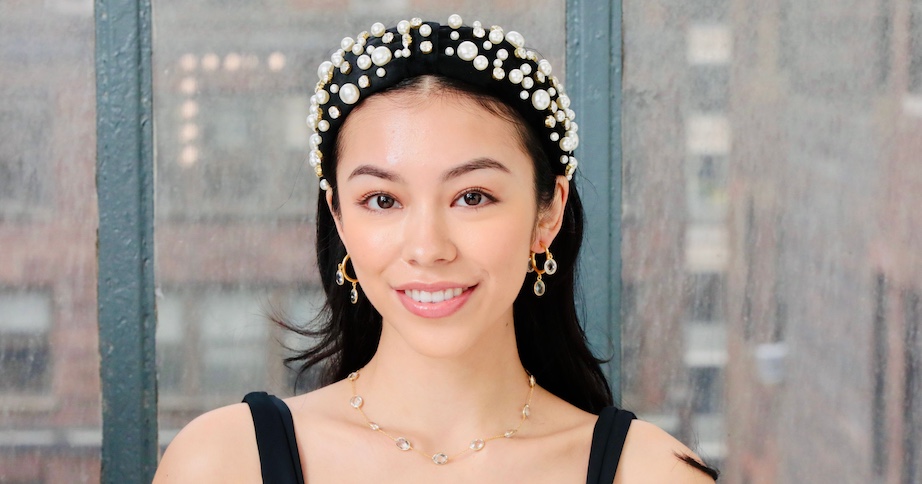
Between the 2000s and 2010s, headbands defined both street-style and glamorous looks. High-fashion designers introduced padded structures, jeweled styles, and leather and crystal varieties. These designs remain staples on Instagram and the runway even today. Many of these collections can be found on UGlam – take a look.
Headbands have always been a favorite headpiece for women. While preferences in style may vary, these accessories continue to serve them as faithfully as ever.
Photo courtesy of UGlam
Contributed posts are advertisements written by third parties who have paid Woman Around Town for publication.