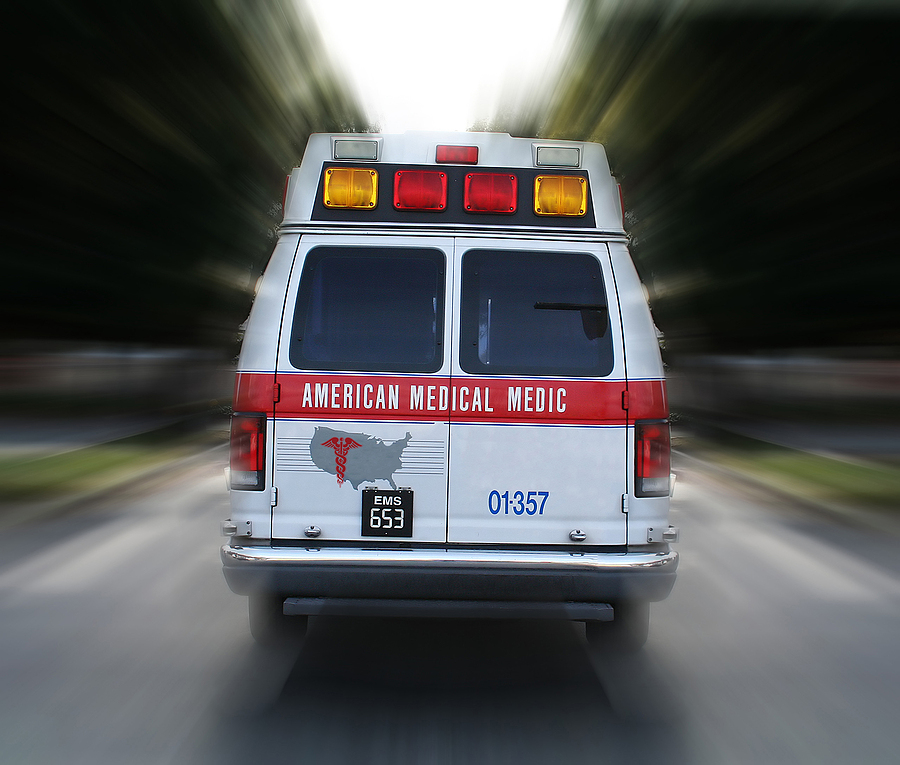
For New Yorkers, ambulance sirens are the ubiquitous background noise that defines city life. Not until a loved one is sick and dying does that sound become a lifeline rather than an annoyance. Until that time arrives, how often do residents stop and think what’s happening when those ambulances reach their destination? Joanna Sokol’s memoir, A Real Emergency, takes us along for all those ambulance rides. And even though she worked in Nevada and California, a long way from the Big Apple, the challenges she faced are universal for EMTs (emergency medical technicians) and paramedics everywhere. These workers are on the front lines saving lives, yet often don’t receive the support they need to carry out their mission. That should set off alarms for all of us, no matter where we live.
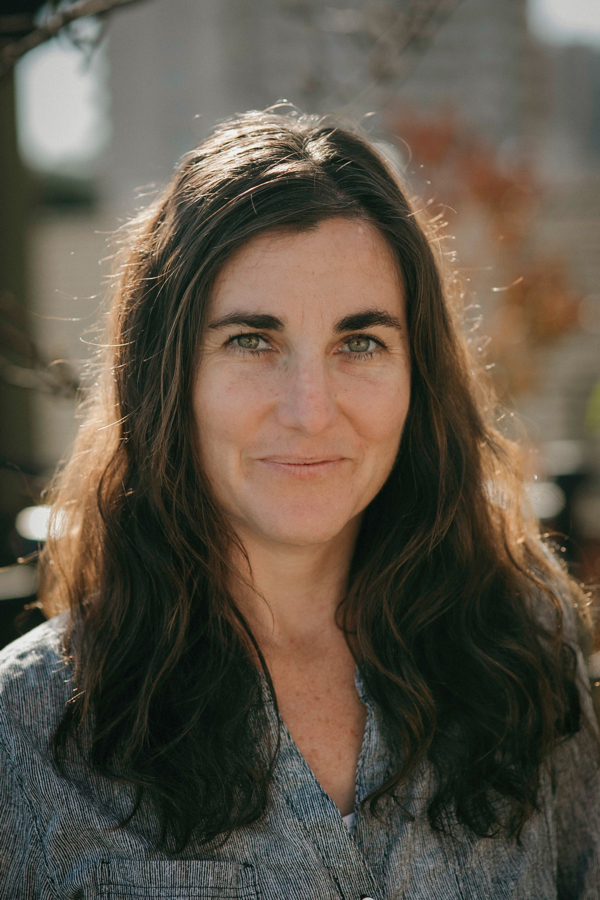
Joanna Sokol (Photo Credit: Jess Krueger Photography 2025)
For 15 years, Joanna filled notebooks that documented her ambulance work in Reno, Nevada, Santa Cruz, California, and then San Francisco. Interspersed with her own notes are reflections from other EMTs, as well as historical information detailing the birth and growth of ambulances. One retired emergency medical services supervisor from Santa Cruz delivers this ominous prediction: “We’ve been saying for twenty years that we really need to sit back and take a critical look at how we deliver emergency medicine in this country, because it’s not a sustainable model for the future. And now we are in that future. We are here, and we ain’t sustainable.”
EMTs and paramedics undergo years of training before they land on those ambulances. But they are more than medical workers. They are social workers, family counselors, addiction specialists, advocates for the homeless, and crime fighters. They form bonds, not only with their partners, but with other EMTs and paramedics, nurses, doctors, and the disadvantaged who are their regular clients. Finding help for the homeless and those struggling with substance abuse is never easy. There are more people who need help than there are the resources to help them.
Every death is a heavy weight. And making the right decision doesn’t matter when going by the book means someone may die. When called to the scene where an elderly person is having a heart attack, EMTs are usually required to perform CPR unless a DNR (do not resuscitate) document can be found on the premises. While CPR may save the person’s life, an elderly person may suffer broken ribs that may lead to death. Without a DNR, Joanna was required to perform CPR on a 96 year-old woman who had lung cancer. “I winced and pushed down on her sternum, feeling her ribs pop out of the cartilage and crack one by one under my hands,” she writes. Because she hesitated, her partner, who had 16 years experience to her four, took over and later reprimanded her for hesitating. “I wish there was an easy protocol to follow: If a person has a green dot on their forehead, proceed with CPR. If the dot is red, let them die,” she writes.
Sokol traces the birth of emergency responders. The Korean and Vietnam Wars showed that medical intervention for traumatic injuries could save lives. With the country completing the trans-national highway system, automobile accidents led to suffering and deaths. Dozens of counties, according to Sokol, began to train emergency responders in the basics of cardiology and trauma care.
Then came Hollywood. NBC’s TV drama, Emergency!, produced by Jack Webb who starred in Dragnet, presented the concept to rural communities. “Suddenly every small town in the country wanted a team of brawny dudes to rush into their emergencies and save the day,” she writes. Of course, the reality was much dirtier and more dangerous. Sokol doesn’t hold back describing some of the scenes she’s called to where vomit, feces, needles, rats, and insects must be dealt with. While we like to think that ambulances are clean and sanitized, there’s often not enough time between runs to kill all the germs.
That was particularly true during the pandemic when hospitals filled up with Covid patients and Sokol’s ambulance was forced to wait in line for the person they just brought in. Masks, paper towels, and other supplies were often in short supply. “If you receive an actual needle stick, or someone spits in your eye, there’s exposure paperwork and testing,” she writes. To protect her loved ones, Sokol, on many nights, pulled out a sleeping bag and slept in her truck.
One thing that could help ambulance workers? Fewer 911 calls. Unfortunately, even the advent of 311 in New York doesn’t prevent people from dialing 911 in situations where a call to a doctor or a trip to an urgent care would be a better solution.
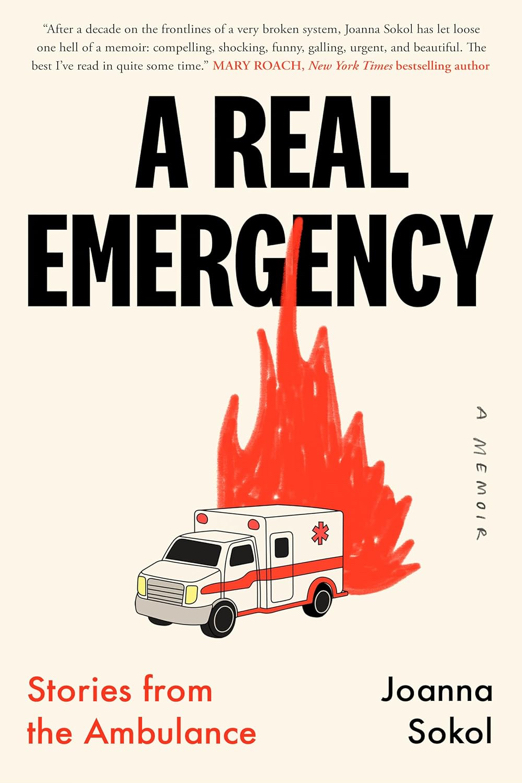
A Real Emergency is a compelling and, yes, shocking read. It’s also a cautionary tale for all of us to push for much needed change before it’s too late.
A Real Emergency
Joanna Sokol
Top photo: Bigstock
Our editors love to read and independently recommend these books. As an Amazon Affiliate, Woman Around Town may receive a small commission from the sale of any book. Thank you for supporting Woman Around Town.