Why Sustainable Kids Clothing Is Finally Catching Up to Adult Fashion

The following curated article is provided by our advertisers. Contributed articles help our readers in categories beyond our main Woman Around Town topics such as legal matters, personal issues, home improvement, and more. While we don’t endorse any of the products mentioned or linked to in these articles, we only publish articles that we hope our readers will find helpful. We often receive compliments about these articles and enjoy them ourselves. We hope you enjoy them as well!

Trace the sustainability conversation in fashion over the last decade and one thing stands out: almost all of it has been about adults. Organic cotton, recycled fabric, traceable supply chains, certifications on the swing tag — the language matured fast in grown-up clothing, while childrenswear, oddly, trailed behind.

That gap is closing now, and why it was there in the first place is as telling as why it’s finally disappearing.

Why kids’ clothes lagged

For years the economics worked against it. Children grow fast and outgrow things faster, which pushed the market towards cheap and high-turnover — exactly the conditions where durability and careful sourcing are the first things to go. The assumption was that nobody would pay for sustainability in a garment headed for the hand-me-down pile within a season. For a long time, that assumption mostly held.

What shifted

A couple of things. The parents making the decisions now came of age during fashion’s reckoning with itself. They already shop their own wardrobes, their food and their homes through a sustainability lens, and they see no reason to switch it off at the kids’ section. On top of that, they’ve grown more careful about what touches their children specifically. The same instinct that reshaped children’s food and skincare — clean ingredients, knowing where things come from — has reached the thing that’s against a child’s skin all day.

From testing the product to certifying the process

This is where kids’ clothing isn’t just catching up but, in places, pulling ahead. For most of the industry’s life, safety meant end-stage testing: take a finished garment, sample it, check it against chemical safety standards. Useful, but it only ever looks at the final product, not how it got made.

A tougher approach certifies the process itself. The bluesign® system, for instance, works to restrict the use of hazardous chemicals at the source — the yarn, the dye, the fabric processing — and checks the supply chain along the way, rather than testing the finished item alone. For a parent who wants the full story behind what their child wears, that kind of process-level traceability says more than an end-of-line test ever could.

No longer function versus conscience

The thing about this new wave of sustainable childrenswear is that it doesn’t ask parents to choose between doing the right thing and buying something that works. The same brands investing in cleaner production are also making properly technical activewear — stretch, sun protection, quick-dry — because their customers expect both. moodytiger is one example of the two coming together: a Hong Kong-founded kids’ activewear brand whose select fabrics are bluesign® approved — restricting the use of hazardous chemicals in the manufacturing process — paired with movement-first design across a growing global retail footprint. Increasingly, eco-friendly kids’ fashion and high-performance kids’ fashion are turning out to be the same thing.

A category growing up

The maturing of sustainable kids’ clothing is really a sign that the category is being taken seriously at last. As childrenswear shifts from afterthought to something properly considered, the standards parents bring to it are lining up with the ones they already hold for everything else in their children’s lives. It took longer than it should have. But kids’ clothing is finally being held to the same bar as the clothes their parents buy for themselves — and, in the move from testing products to certifying processes, occasionally a higher one.

What to actually look for when buying

The gap between a brand that talks about sustainability and one that has genuinely built it into its operations is wide, and not always easy to spot. A few things help. Third-party certifications — specifically ones that address the manufacturing process rather than just the finished product — are more meaningful than in-house claims. The bluesign® standard is one of the more rigorous ones: it restricts the use of hazardous chemicals at the source, across the supply chain, rather than screening for them only at the end.

Durability is sustainability’s quiet twin. A garment that lasts two years has roughly half the environmental footprint of one that lasts one. For children’s clothing, where the temptation to buy cheap and replace often is strong, this matters. Four-way stretch that doesn’t go slack, colours that don’t wash out, seams that hold through a season of hard use: these are the indicators of something built to last, and they’re the same indicators of something worth buying on purely practical grounds.

Packaging is the easiest thing to greenwash and the least important. A recyclable mailer on an otherwise unsustainably produced garment is a rounding error. The material, the process, and the durability are where the substance is.

What this adds up to

The shift in children’s sustainable fashion is as much about what parents are asking for as what brands are producing. When a parent checks a certification before buying a children’s legging, it changes what that category has to be. Brands that have done the work — certified processes, durable construction, honest materials — are simply better positioned than ones that relied on the right language without the substance behind it.

It’s a slow shift, but a real one. And for parents trying to make better choices in a category that was slow to take them seriously, it’s worth knowing: the gap between greenwash and genuine practice is narrowing, and it’s easier than it used to be to tell the two apart.

FAQs

What makes kids’ clothing sustainable?

Durable construction, responsible material sourcing, and openness about how the fabric is made. The most rigorous approaches certify the manufacturing process rather than just testing the finished garment, restricting the use of hazardous chemicals at the source.

What is bluesign® certification?

An international textile standard that restricts the use of hazardous chemicals from the start of production, right across the supply chain, instead of only testing for them at the end. It offers more process-level traceability than end-stage testing alone.

Is sustainable kids’ clothing worth paying more for?

For a lot of families, yes. It tends to be more durable and better made, so it lasts longer and gets replaced less — and it comes with process-level reassurance about how the fabric is made, which counts given how sensitive children’s skin is.

Photo courtesy of Neha Rohan for moodytiger.com

Contributed posts are advertisements written by third parties who have paid Woman Around Town for publication.


Share This Post:

Bluesky Icon Bluesky
Facebook

For more than 150 years, dental amalgam was the default choice for restoring decayed teeth — durable, affordable, and easy to place. Then composite resin changed the conversation entirely. Today, with the FDA issuing updated…

The American Veterinary Medical Association reports that separation anxiety affects approximately 20-40% of dogs referred to animal behavior specialists — making it one of the most common behavioral issues pet owners face today. As remote…

Every pet owner has faced the middle-of-the-night moment: your dog is retching uncontrollably, your cat is hiding behind the toilet, and you’re standing there wondering whether this warrants a panicked drive to the emergency clinic…

The American Dental Association reports that over 37 million Americans used teeth whitening products in 2023, making it one of the fastest-growing cosmetic dental procedures in the country. Yet most people discover the true cost…

Women are paying closer attention to their mental wellness, recognising the value of addressing emotional health before stress or burnout becomes overwhelming. Many are making time for professional help, healthier habits, rest, exercise, clearer boundaries,…

A car key may seem like a small part of a vehicle, but it can cause a big problem when it is lost, damaged, or stops working. A driver may be ready to leave for…

How to Choose Between Composite and Amalgam Fillings

For more than 150 years, dental amalgam was the default choice for restoring decayed teeth — durable, affordable, and easy to place. Then composite resin changed the conversation entirely. Today, with the FDA issuing updated guidance in 2020 recommending that certain high-risk groups avoid amalgam fillings when possible, patients increasingly walk into their dentist’s office with questions their grandparents never thought to ask. The choice between a silver filling and a tooth-colored one involves more

read more

How to Help Your Dog Cope with Separation Anxiety

The American Veterinary Medical Association reports that separation anxiety affects approximately 20-40% of dogs referred to animal behavior specialists — making it one of the most common behavioral issues pet owners face today. As remote work patterns shift back toward office settings and families resume pre-pandemic schedules, veterinarians are seeing a surge in dogs struggling with prolonged alone time they haven’t experienced in years. This isn’t just about torn furniture or noise complaints from neighbors.

read more

Physical Signs Your Pet Needs Immediate Medical Attention

Every pet owner has faced the middle-of-the-night moment: your dog is retching uncontrollably, your cat is hiding behind the toilet, and you’re standing there wondering whether this warrants a panicked drive to the emergency clinic or a watchful wait until morning. According to the American Veterinary Medical Association, pets experience millions of emergency veterinary visits each year — yet delayed care remains one of the most common factors that turns a survivable crisis into a

read more

Understanding the Cost of Teeth Whitening

The American Dental Association reports that over 37 million Americans used teeth whitening products in 2023, making it one of the fastest-growing cosmetic dental procedures in the country. Yet most people discover the true cost only after they’ve already committed to treatment — often finding that the initial price quoted represents just the beginning of their investment. As dental practices increasingly position whitening as both a standalone service and gateway to comprehensive cosmetic care, the

read more

How Women Are Prioritising Mental Wellness This Year

Women are paying closer attention to their mental wellness, recognising the value of addressing emotional health before stress or burnout becomes overwhelming. Many are making time for professional help, healthier habits, rest, exercise, clearer boundaries, and relationships that help them feel supported. Some women reach out for professional support when they need it. Others focus on managing work stress, protecting their free time, and staying connected with people they trust. The main idea is simple:

read more

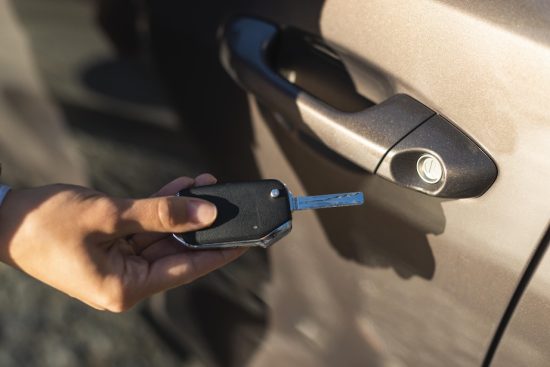
Smart Habits That Can Help Drivers Avoid Common Car Key Problems

A car key may seem like a small part of a vehicle, but it can cause a big problem when it is lost, damaged, or stops working. A driver may be ready to leave for work, an appointment, or a trip, only to find that the key will not turn or the car will not unlock. Good habits can help reduce the chance of these problems. Keeping a spare key, protecting key fobs, and paying

read more
You've loaded all available articles in this category

How to Choose Between Composite and Amalgam Fillings

For more than 150 years, dental amalgam was the default choice for restoring decayed teeth — durable, affordable, and easy to place. Then composite resin changed the conversation entirely. Today, with the FDA issuing updated guidance in 2020 recommending that certain high-risk groups avoid amalgam fillings when possible, patients increasingly walk into their dentist’s office with questions their grandparents never thought to ask. The choice between a silver filling and a tooth-colored one involves more

read more

How to Help Your Dog Cope with Separation Anxiety

The American Veterinary Medical Association reports that separation anxiety affects approximately 20-40% of dogs referred to animal behavior specialists — making it one of the most common behavioral issues pet owners face today. As remote work patterns shift back toward office settings and families resume pre-pandemic schedules, veterinarians are seeing a surge in dogs struggling with prolonged alone time they haven’t experienced in years. This isn’t just about torn furniture or noise complaints from neighbors.

read more

Physical Signs Your Pet Needs Immediate Medical Attention

Every pet owner has faced the middle-of-the-night moment: your dog is retching uncontrollably, your cat is hiding behind the toilet, and you’re standing there wondering whether this warrants a panicked drive to the emergency clinic or a watchful wait until morning. According to the American Veterinary Medical Association, pets experience millions of emergency veterinary visits each year — yet delayed care remains one of the most common factors that turns a survivable crisis into a

read more

Understanding the Cost of Teeth Whitening

The American Dental Association reports that over 37 million Americans used teeth whitening products in 2023, making it one of the fastest-growing cosmetic dental procedures in the country. Yet most people discover the true cost only after they’ve already committed to treatment — often finding that the initial price quoted represents just the beginning of their investment. As dental practices increasingly position whitening as both a standalone service and gateway to comprehensive cosmetic care, the

read more

How Women Are Prioritising Mental Wellness This Year

Women are paying closer attention to their mental wellness, recognising the value of addressing emotional health before stress or burnout becomes overwhelming. Many are making time for professional help, healthier habits, rest, exercise, clearer boundaries, and relationships that help them feel supported. Some women reach out for professional support when they need it. Others focus on managing work stress, protecting their free time, and staying connected with people they trust. The main idea is simple:

read more

Smart Habits That Can Help Drivers Avoid Common Car Key Problems

A car key may seem like a small part of a vehicle, but it can cause a big problem when it is lost, damaged, or stops working. A driver may be ready to leave for work, an appointment, or a trip, only to find that the key will not turn or the car will not unlock. Good habits can help reduce the chance of these problems. Keeping a spare key, protecting key fobs, and paying

read more
You've loaded all available articles in this category