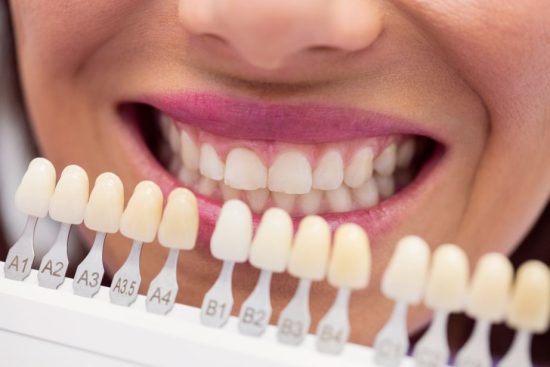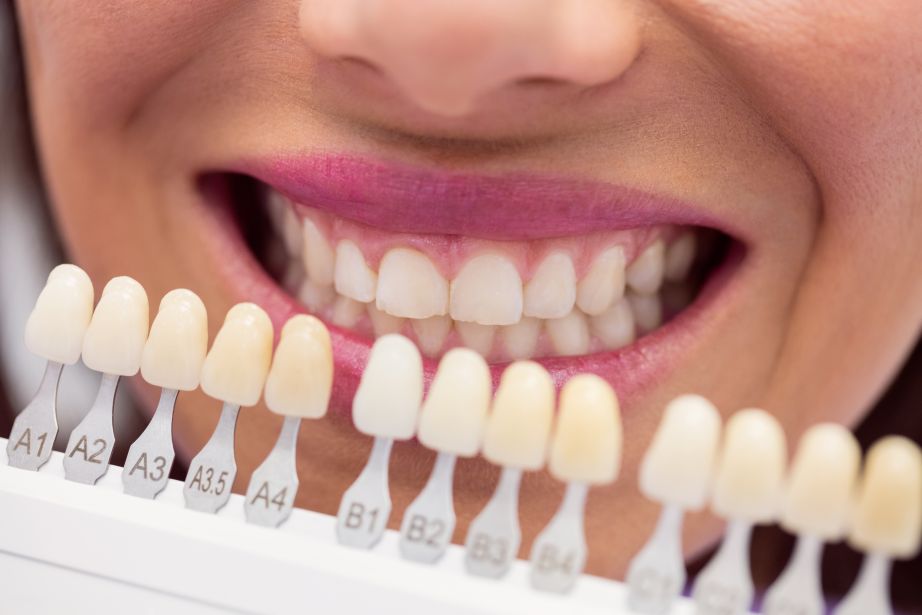
A brighter smile can change how a person feels in photographs, conversations, and professional settings. Over-the-counter products seem convenient, but their results depend on product strength, application, and tooth condition. A dental professional assesses those factors before choosing a whitening method, improving control and limiting avoidable irritation. Professional treatment also gives patients clearer expectations about shade changes and maintenance. These differences explain why an in-office evaluation deserves attention before any whitening treatment.
Patients seeking a noticeable change should begin with an examination because stains respond differently to whitening methods. A dental team can determine whether discoloration comes from food, beverages, tobacco, aging, or an internal tooth change before recommending professional teeth whitening in Atlanta. That assessment keeps treatment focused and identifies problems that whitening alone cannot correct. It also helps the dentist select an approach that fits the patient’s oral health and cosmetic goals.
Professional Treatment Produces More Consistent Results
Professional whitening uses dental-grade materials under controlled conditions. A dentist selects the treatment strength and application method based on the patient’s teeth, restorations, and sensitivity history. That control creates a more even result than applying a retail product without professional supervision.
Over-the-counter strips and trays also vary in fit. A loose tray can spread gel onto the gums, while uneven contact can leave some areas lighter than others. Professional treatment keeps the whitening material in place and distributes it more evenly across visible teeth.
Results also depend on the starting shade. Yellow surface stains often respond better than gray or brown discoloration caused by injury, medication, or changes inside a tooth. A dental examination identifies these differences before treatment begins.
A Dental Examination Improves Safety
Whitening products should not cover untreated dental problems. Cavities, cracked enamel, gum inflammation, exposed roots, and worn enamel can increase discomfort during treatment. A dentist checks for these concerns and addresses them before whitening when necessary.
Healthy gums matter as well. Whitening gel that remains against irritated tissue can cause temporary burning or soreness. Professional application limits contact with the gums and allows the clinician to respond if sensitivity develops.
Patients with crowns, veneers, fillings, or bonding need a clear explanation before treatment. Whitening changes natural tooth enamel, but it does not change the color of most dental restorations. Treating teeth without discussing existing restorations can create an uneven appearance.
Treatment Matches the Cause of Discoloration
Surface stains develop when pigments from coffee, tea, red wine, tobacco, and certain foods attach to enamel. Professional cleaning and whitening address these stains through separate steps. Removing buildup first gives the whitening treatment a cleaner surface.
Age-related discoloration has a different cause. Enamel becomes thinner over time, allowing the naturally darker dentin beneath it to show through. A dentist considers enamel thickness and sensitivity before choosing a suitable approach.
Internal discoloration requires closer evaluation. A tooth that darkens after trauma or root canal treatment may need a different treatment than the surrounding teeth. Whitening the entire smile without investigating that tooth can leave the main concern unresolved.
Patients Gain Clearer Expectations
A professional consultation explains how much change a patient can reasonably expect. The final shade depends on the original color, enamel condition, stain type, and response to the whitening material. This discussion helps patients choose treatment based on realistic results.
The appointment also clarifies timing. Some patients see a change after one treatment, while others need a planned series or follow-up care. If sensitivity occurs, it usually relates to the concentration, contact time, and condition of the teeth.
Maintenance protects the result. Dark beverages, tobacco, and frequent exposure to staining foods can gradually darken enamel again. Regular brushing, professional cleanings, and occasional touch-ups help maintain the chosen shade.
A Brighter Smile Requires Good Timing
Whitening works best when the mouth is healthy, and the patient understands the treatment process. Patients should schedule an examination before an important event rather than waiting until the last moment. That timing leaves room to treat cavities, manage gum irritation, or adjust the plan for sensitive teeth.
A consultation also helps coordinate whitening with restorative care. If a patient needs a crown or visible bonding, whitening should generally happen before the restoration receives its final shade. This sequence helps the restoration match the newly whitened natural teeth.
Conclusion
Professional teeth whitening gives patients a controlled path to a brighter smile. A dental examination identifies the stain type, checks oral health, and accounts for restorations before treatment begins. Professional materials and careful application improve consistency while limiting unnecessary gum exposure. Anyone considering whitening should schedule an evaluation first and discuss sensitivity, existing dental work, and maintenance habits. That conversation helps create a practical treatment plan and avoids relying on trial and error.
Image by wavebreakmedia_micro on Magnific
Contributed posts are advertisements written by third parties who have paid Woman Around Town for publication.