Most visitors arrive in Nashville, TN, with a single picture in mind: neon signs along a crowded street, a stage in every window, and a guitar somewhere in the background. That picture is real, and it has earned its reputation honestly. But it is only one part of what the city offers, and travelers who never look past it often go home having seen a few blocks and very little else.
Stay a few days and a different city starts to show itself. There are quiet streets lined with old houses, kitchens doing careful and unhurried work, long stretches of green along the water, and afternoons that ask nothing of you at all.
What follows is a look at how to fill those hours, and how to plan a trip that feels like more than one long night out.
Where Sports Fans Gather on Game Day
Travel days have their own rhythm, and most of them end with everyone ready to sit down somewhere comfortable for a few hours. Fans who want to follow a game while they are away often end up in a crowded sports bar with a small screen tucked into a corner, sound they cannot hear, and nowhere pleasant to settle in.
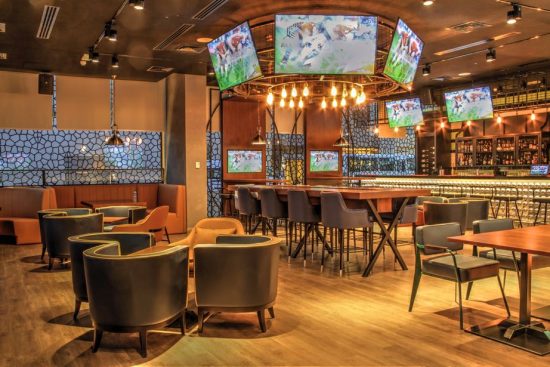
A dedicated sports lounge changes that completely, giving people clear views, room to spread out, and food and drink worth staying for. Wedgewood Sports Lounge offers exactly the kind of sports bar in Nashville TN, that visitors hope to find.
They feature a refined lounge setting built around eating, drinking, and watching the game, with craft beverages and comfortable seating made for an entire afternoon rather than a quick stop.
Start With the Streets Just Outside Downtown
The center of the city gets nearly all the attention, which means the surrounding neighborhoods stay pleasantly unhurried. Walk a few blocks in almost any direction and the pace drops. Old houses sit behind wide porches, small shops occupy buildings that were something else entirely fifty years ago, and murals turn up on brick walls without any signage pointing them out.
These pockets reward wandering more than planning. Pick a street, follow it, and stop when something looks interesting. Coffee shops fill with people working through their mornings, bakeries sell out by midday, and shopkeepers are usually happy to point visitors toward whatever is worth seeing two streets over. An afternoon spent this way often becomes the part of the trip people talk about later.
A Food Scene That Rewards a Slow Afternoon
Food here has its own traditions, and they run deeper than any single dish. Meat and three plates, slow-cooked vegetables, cornbread, and pie have been served the same way for generations, and the places that do it well are rarely the ones with the longest line out front. Ask anyone who lives here, and they will send you somewhere modest with a handwritten menu.
Beyond that, the kitchens have grown ambitious. Chefs have brought in flavors from all over, and the result is a dining scene where a simple breakfast and an elaborate dinner can both feel entirely at home. The best approach is to build one meal a day around a recommendation and leave the rest open. Hunger has a way of finding the right place on its own.
Parks, Greenways, and Time Beside the Water
For a city with this much going on, there is a surprising amount of open space in it. Paths run along the water and through wooded stretches, wide enough for walking, running, or riding, and quiet enough that the traffic fades out within a few minutes. Families spread out on the grass. Dogs run. Nobody seems in a hurry.
Mornings are the best time for this, before the heat settles in and before the day fills up. Bring water, pick a trail, and give yourself an hour or two. Outdoor time breaks up a trip nicely, and it costs nothing at all. For anyone traveling with children or with older relatives, it is often the easiest part of the day to plan.
Museums, Galleries, and Indoor Afternoons
When rain arrives or the afternoon turns too warm, the indoor options are genuinely good. There are galleries showing work by artists who live and paint here, museums that cover the region’s history honestly, and small collections tucked into buildings most people walk straight past. Exhibits change often enough that returning visitors find something new.
These places also make good company for a solo traveler. There is no pressure to move quickly, and reading the wall text at your own pace is part of the pleasure. Two or three hours disappear easily, and you come out knowing something about the place you did not know that morning.
Markets, Bookstores, and Things Worth Carrying Home
Shopping here is less about malls and more about the independent stores that have survived by being good at one thing. Bookstores keep unusual sections and host readings on weeknights. Record shops still sell vinyl to people who know exactly what they are looking for. Makers sell pottery, leather, candles, and prints from small storefronts and weekend markets.
The advantage of buying this way is that what you carry home actually came from here. It also puts you in conversation with people who live and work in the city, which tends to produce better recommendations than any list online. Go in without a shopping list and let the shelves decide.
How to Plan a Visit That Does Not Feel Rushed
The most common mistake is over-scheduling. Visitors try to fit everything into three days, spend most of it moving between places, and go home tired. A better approach is to pick one anchor for each day and build loosely around it. Everything else becomes a choice rather than an obligation.
Stay somewhere central enough to walk from, leave the middle of the day unplanned, and accept that you will miss things. Missing things is fine. The city will still be here next time, and a return visit is far more appealing than a trip that felt like a checklist.
Travel well here, and you leave with the feeling of having actually spent time somewhere, which is the whole point of going.
Photo by Mohit Marwaha at Pexels.com
Contributed posts are advertisements written by third parties who have paid Woman Around Town for publication.