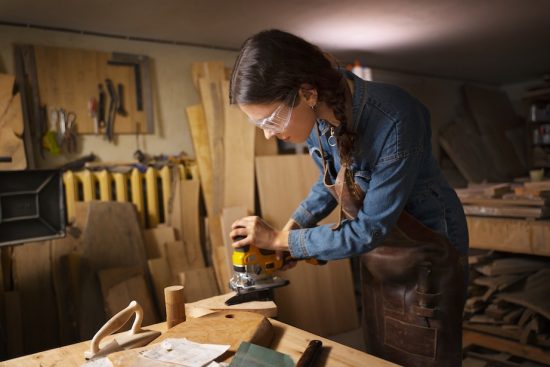

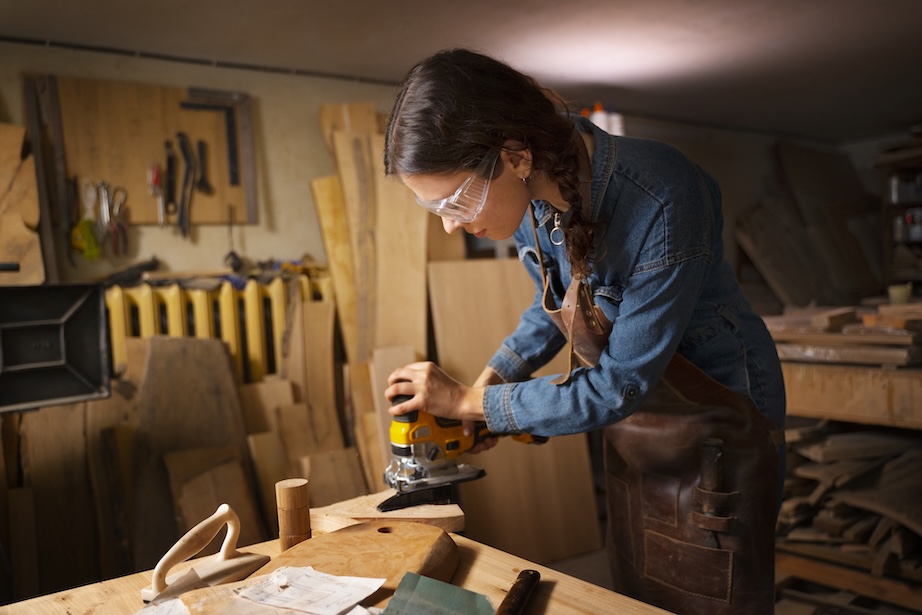
Hands-on hobbies have become an appealing way to spend free time in a world where so much of everyday life happens on a screen. From woodworking and furniture restoration to gardening, home improvement, and metalworking, practical activities let people create something tangible while learning useful skills along the way.
For many women, these hobbies also offer a chance to explore activities that may once have been seen as primarily male-dominated. Today, online tutorials, community workshops, classes, and better equipment make it easier to experiment with practical projects without years of experience.
The Satisfaction Of Making Something Yourself
Completing a physical project brings a particular sense of satisfaction. Buying a shelf, planter, table, or decorative feature may be convenient, but making or restoring one yourself creates a much stronger connection to the finished result.
Hands-on work also provides visible evidence of progress. A project might begin as a pile of materials or an outdated piece of furniture, but each stage brings it closer to something useful, attractive, and personal.
That process can make DIY hobbies especially rewarding for people whose regular work is mostly digital or administrative. Spending an afternoon sanding wood, painting a cabinet, working in the garden, or learning basic metalworking techniques offers a completely different experience from answering emails or sitting through virtual meetings.
Practical Skills Can Build Confidence
Learning to use tools can feel intimidating at first, especially if you have little experience with hands-on projects. However, confidence tends to grow quickly once you understand how equipment works and begin completing smaller tasks independently.
Simple projects are often the best starting point. Hanging shelves, repairing furniture, building a planter box, or learning to use a drill can build a foundation that eventually makes larger projects feel much more manageable.
Mistakes are also part of learning. A slightly uneven cut or imperfect finish is rarely a disaster, and figuring out how to correct small problems can be one of the most valuable parts of developing practical skills.
DIY Can Become A Creative Outlet
Practical hobbies are not only about fixing things around the house. They can also offer an outlet for creativity, especially when projects involve designing objects or transforming existing items into something new.
Furniture restoration is a good example. An old table found at a thrift store might be stripped, refinished, painted, or modified until it looks completely different, letting you create something that fits your personal style instead of following whatever is available in stores.
The same principle applies to woodworking and metalworking. Once you understand the basics, you can experiment with custom shelving, garden structures, decorative objects, furniture, and other pieces that combine function with individual design.
Learning To Work Safely Matters
Balance enthusiasm with safety, especially when a hobby involves power tools, heat, sharp materials, or machinery. Before starting a new activity, take time to understand the equipment, read the manufacturer’s instructions, and learn which protective gear fits the job.
Depending on the project, you may need eye protection, gloves, suitable clothing, hearing protection, and proper ventilation. Welding requires careful preparation because appropriate helmets and lenses protect the face and eyes while providing the visibility needed to work accurately.
Anyone building a welding setup can shop all welding products from Ridge Products Welding, which offers welding helmets, lenses, and related equipment. Whatever equipment you choose, make sure it suits your process and learn proper safety practices before you start.
Home Improvement Becomes More Accessible
One practical benefit of learning DIY skills is that smaller home projects can become much less intimidating. Instead of automatically calling someone whenever something needs updating, you may gradually develop the knowledge required to handle appropriate tasks yourself.
This does not mean every repair should become a DIY project. Electrical, structural, plumbing, and other specialized work may require professional expertise, but many cosmetic improvements and straightforward projects are approachable with the right preparation.
Painting, installing simple shelving, refinishing cabinets, assembling furniture, and creating storage solutions are examples of projects that can build confidence. Over time, these smaller accomplishments can provide the foundation for more ambitious creative work.
Hands-On Hobbies Offer A Break From Screens
Another reason practical hobbies are appealing is that they encourage you to focus on what is directly in front of you. When you measure, cut, plant, sand, paint, or assemble something, your attention naturally shifts away from notifications and endless scrolling.
That concentration can make a few hours in a workshop, garden, garage, or craft room feel refreshingly different from the rest of the week. Instead of consuming information, you actively solve problems and make decisions that produce a physical result.
Developing a skill through repetition also feels satisfying, rather than simply reading about it. Watching a tutorial can introduce a technique, but actually practicing it is what develops coordination, judgment, and confidence.
Communities Make It Easier To Get Started
You do not necessarily need a fully equipped workshop to explore practical hobbies. Community workshops, maker spaces, adult education programs, and local classes can provide access to tools and instruction without a major upfront investment.
These environments can be particularly useful when learning activities such as woodworking or welding. Having an experienced instructor nearby means you can ask questions, understand safety procedures, and receive feedback while developing your technique.
Online communities can provide additional inspiration. Videos, project guides, forums, and social media groups let you see how others approach projects, troubleshoot common problems, and discover new ideas for future builds.
Starting Small Can Lead To Bigger Projects
One of the easiest mistakes beginners make is choosing an overly complicated first project. Ambition is useful, but a project that requires unfamiliar tools, expensive materials, and several advanced techniques can quickly become frustrating.
Starting with something manageable lets you focus on learning one or two skills at a time. A small wooden shelf might teach you to measure and drill, while restoring a chair can introduce sanding, surface preparation, and finishing techniques.
As those skills accumulate, more challenging projects become realistic. What begins as an occasional weekend hobby may eventually develop into a well-equipped home workshop, a serious creative pursuit, or even a useful side business.
Practical Hobbies Can Fit Different Lifestyles
Hands-on hobbies do not have to consume every weekend or require a dedicated garage. Many activities can fit the space, budget, and time you have available.
Someone living in an apartment might focus on furniture restoration, crafts, or smaller woodworking projects, while someone with outdoor space might experiment with gardening, larger builds, or home improvement. The goal isn’t to master every practical skill, but to find activities that are enjoyable and useful to you.
A More Hands-On Approach To Free Time
The growing interest in DIY skills reflects a broader desire to make free time feel active, creative, and productive. Learning how to build, repair, restore, or create something can provide a satisfying contrast to routines dominated by technology and passive entertainment.
For women interested in exploring practical hobbies, you never need to fit a particular stereotype or become an expert overnight. Start with one manageable project, learn to use the necessary tools safely, and gradually expand your skills to make DIY a rewarding part of everyday life.
Contributed posts are advertisements written by third parties who have paid Woman Around Town for publication.