

Living alone in a city apartment can mean long commutes, late evenings and a home that stays silent from morning until you return. A pet can change that rhythm by giving your day a fixed routine, a reason to head home on time and company through the hours you spend indoors.
However, choosing a pet for a city apartment starts with the lease, not the animal. Most apartment leases have a pet clause that may cap the number of animals or rule out certain kinds altogether. If you don’t have any such restrictions, here are three pet options to consider.
A Small Dog with a Gentle Nature
So many families default to a Labrador, only to discover the problem. An adult Lab can weigh 50 pounds, but some city leases set a weight limit for dogs well below that. Heavy shedding makes it worse. A dog with a thick double coat leaves hair on the couch, the bed and the rug, and in a one-bedroom there is nowhere for it to hide.
A micro mini Bernedoodle gets around both issues. This breed is a Bernese Mountain Dog crossed with a Poodle, bred down in size over several generations by using smaller parents. In fact, the adults tend to stay small enough to sit in your lap. The coat is usually wavy or curly and sheds very little, so the apartment stays clean with less effort. On top of that, these dogs are generally calm and easy to train, which counts for a lot when there are neighbors on the other side of every wall.
The way a puppy is raised matters as much as the breed. Look for a breeder who shares genetic and OFA health results for both parents, raises puppies inside the family house, and offers support after yours goes home with you. A dog that has heard household sounds from its first weeks is likely to cope better with elevators, sirens, and hallway chatter.
An Indoor Cat for a Busy Schedule
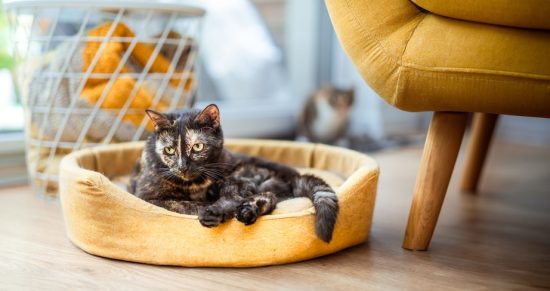
A dog usually needs to go outside every few hours, which can be difficult for a working woman, but a cat can handle that schedule far better. Cats use a litter box, groom themselves and are generally content alone for a working day. They move quietly, hardly ever disturb neighbors, and can live comfortably in a single room if they have places to climb and look outside. A window perch and a tall scratching post often matter more to a cat than floor space.
An adult cat adopted from a shelter comes with a personality you can learn about before it moves in. Staff can usually tell you whether a cat prefers quiet or likes attention, which helps you pick one that suits your home and your pace.
A House Rabbit for Quiet Company
A barking dog can be annoying for your neighbors, and so does a cat that yowls at four in the morning, but a rabbit can save you from dealing with a grumpy neighbor. House rabbits can be trained to use a litter box, and they do well with a few hours a day to hop around a room you’ve made safe for them. Feeding is straightforward, mostly hay with some fresh greens on top. Give one time to trust you, and it may start following you from room to room and nudging you for attention.
Endnote
For a working woman looking for a pet, the deciding factor is usually her schedule. A small dog works best if you can step out at lunch and again after work. A cat can handle long office days and frequent travel, and a rabbit makes a quiet companion for anyone working from home. Take your time and match the pet to your hours, your floor space, and your building rules to make coming home the best part of a busy day.
Photo by Jakub Zerdzicki at Pexels.com
Contributed posts are advertisements written by third parties who have paid Woman Around Town for publication.