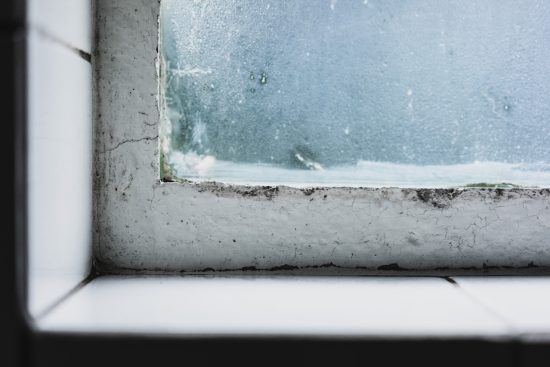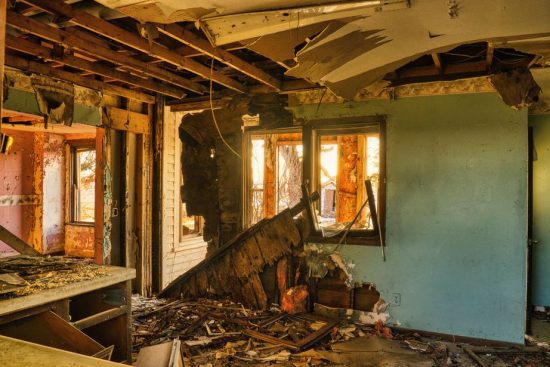


You enter an older house and smell something musty, something that wasn’t there before. The windows tend to accumulate condensation, and the paint around the ceiling has begun to peel. Initially, these changes can be minor. Nevertheless, they may signal an excess of moisture that slowly destroys walls, floors, and wooden structures.
Older houses may have old plumbing, inadequate ventilation, and crawl spaces where water can accumulate. If left unaddressed, these conditions can promote mold growth, wood decay, and pest activity.
Fortunately, you can protect your property by improving air circulation, making timely repairs, and managing moisture properly. The five strategies below will help you control humidity and prevent damage to your older home.
1. Improve Ventilation to Reduce Indoor Moisture
Humid air stagnates in poorly ventilated homes, especially in older houses with little air movement. Damp conditions can also attract certain household pests, making moisture control and pest prevention equally important.
Although better ventilation reduces moisture buildup, professional pest inspections can detect existing infestations. For example, Best Home & Property Services in Florence, SC, provides pest inspections and ongoing treatments to help homeowners control pest issues and prevent recurrence.
To improve airflow, start by checking rooms where moisture builds most often, including bathrooms, kitchens, and laundry areas. These spaces produce moisture during everyday activities such as cooking, showering, and washing clothes. Using exhaust fans can help remove humid air before it spreads to other rooms. Make sure these fans vent outdoors rather than into enclosed spaces.
Along with using exhaust fans, check that existing vents are clear and working properly to maintain airflow. Opening windows can also improve ventilation, but avoid doing so when outdoor humidity is high, as it may introduce more moisture into your home.
2. Repair Leaks Before They Damage Older Materials
A small leak can do a lot of harm when water seeps into old wood, plaster, or insulation repeatedly. Aged plumbing, battered roofing, and broken window seals can let moisture in without you noticing.
Start by examining visible pipes, ceilings, and window surrounds for water stains or dampness. When you see peeling paint or discoloration, find the cause rather than covering the affected area.
Also consider roof and drainage maintenance. Clean clogged gutters, fix broken flashing, and make sure downspouts direct water away from your foundation. These measures can reduce moisture exposure around walls and limit structural damage.
After repairing a leak, dry the affected materials. If dampness persists around the foundation, you may need a professional waterproofing or drainage enhancement to prevent further damage.
3. Control Indoor Humidity with Dehumidification
Ventilation helps remove moisture, but it may not be enough during prolonged periods of humid weather. Older houses with basements, closed rooms, or crawl spaces with little or no ventilation may require more humidity control.
Check the house’s relative humidity with a hygrometer. Preferably, keep humidity levels between 30% and 50% where achievable, and avoid prolonged levels above 60%. Maintaining humidity also prevents condensation and environments that promote mold growth.
When humidity is high, use a dehumidifier of the appropriate size. Make sure air can move freely around the unit and keep its drainage system clear.
Crawl spaces may need special dehumidification devices built for enclosed spaces. With appropriate moisture barriers, these systems can help preserve wooden support, insulation, and other building materials.
Nevertheless, keep in mind that dehumidifiers cannot prevent water intrusion from broken pipes and foundations. To control moisture for the long term, first address these sources.
4. Protect Foundations and Crawl Spaces from Moisture
Moisture beneath an older home can gradually weaken wooden support, damage insulation, and affect flooring. Poor drainage, dampness, and crawl spaces are especially susceptible to moisture when soil is exposed and groundwater is present.
Start by looking at how rainwater flows across your property. Use downspouts to direct water away from the foundation and ensure the surrounding ground slopes away where possible. Then, examine available crawl spaces to find standing water, wet insulation, moldy smells, or rotting wood. These red flags can signal moisture issues that a professional should evaluate.
Depending on the cause, solutions may include drainage, waterproofing, vapor barriers, or crawl space encapsulation. Encapsulation can limit how much ground moisture enters the space, and dehumidification can control the remaining airborne moisture.
All these actions can minimize moisture exposure and make crawl spaces less appealing to pests that can survive in wet environments.
5. Inspect Older Building Materials for Early Signs of Damage
Even after improving ventilation and moisture control, regular inspections remain essential. Older building materials can conceal dampness until visible damage becomes difficult to ignore.
Check wooden window frames, baseboards, flooring, and exposed beams for swelling, soft spots, or discoloration. Musty odors, peeling finishes, and recurring condensation may also indicate hidden moisture.
Pay particular attention to areas previously affected by leaks. If stains return after repairs, the original moisture source may still be present.
Moisture-damaged wood can also create favorable conditions for certain wood-destroying pests. Watch for mud tubes, damaged timber, or unusual insect activity. Professional pest inspections can identify infestations and help determine whether targeted treatments are necessary.
For older homes with original architectural features, seek specialist guidance before replacing damaged materials. Early detection can help preserve their condition and prevent unnecessary repairs.
Conclusion
Protecting an older home from humidity damage requires more than occasionally opening windows or wiping away condensation. Moisture can enter through leaks, collect beneath floors, and remain trapped in poorly ventilated spaces. Over time, these conditions may damage building materials and encourage pest activity.
The most effective approach combines proper ventilation, timely repairs, humidity monitoring, crawl space protection, and regular inspections. Each measure addresses a different moisture-related concern, helping you prevent minor problems from becoming expensive repairs.
By identifying warning signs early and choosing solutions suited to your home’s construction, you can preserve its condition, improve indoor comfort, and protect its long-term value.
Image by wirestock on Magnific
Contributed posts are advertisements written by third parties who have paid Woman Around Town for publication.