There’s a particular kind of exhaustion that sets in after a whirlwind vacation. You’ve checked off the landmarks, taken the requisite photos, bought the souvenirs. But somehow, back home scrolling through your camera roll, the whole trip feels like it happened to someone else. That hollow feeling is what happens when travel skims the surface instead of sinking in.
The difference between a forgettable trip and one that reshapes how you see the world often comes down to a single factor: genuine engagement with local culture. Not the staged folklore performances at resort hotels or the sanitized “cultural experiences” packaged for tour groups. The real thing. The kind that requires you to slow down, pay attention, and occasionally feel a little uncomfortable.
When Entertainment Meets Authenticity
Modern travelers are increasingly seeking experiences that combine leisure with genuine cultural immersion. Even industries traditionally associated with pure entertainment are recognizing this shift. The gaming sector, for instance, has begun incorporating regional themes and local design elements into their offerings. A new online casino launching in the UK market might feature games inspired by British folklore or historic landmarks, reflecting a broader trend toward localized experiences that resonate with specific audiences rather than offering generic, one-size-fits-all entertainment.
This pattern extends far beyond gaming. Restaurants in Tokyo’s Tsukiji district don’t just serve sushi. They invite visitors to understand the ritual of the morning fish auction, the seasonality of ingredients, the centuries-old apprenticeship system. A cooking class in Oaxaca becomes a lesson in indigenous Zapotec agricultural practices and the spiritual significance of maize.
The Economics of Cultural Connection
Local cultural engagement also shifts where your money goes. When you hire a guide from the neighborhood instead of booking through an international tour operator, when you eat at the family-run trattoria instead of the chain restaurant near the Colosseum, when you buy textiles directly from the weaver in a Guatemalan highland village, the economic impact stays local.
This isn’t just feel-good tourism ethics. It’s pragmatic. Communities that benefit economically from cultural tourism have a vested interest in preserving what makes them distinctive. The alternative is the slow erosion of local identity under the pressure of mass tourism, where every destination starts to look and feel like every other one.
Discomfort as a Feature Not a Bug
Meaningful cultural immersion often requires embracing mindful travel practices that push you outside familiar patterns. That might mean navigating a meal where you can’t read the menu and the server doesn’t speak your language. Attending a religious ceremony where you’re not entirely sure of the protocol. Accepting an invitation to someone’s home and realizing your notions of hospitality don’t quite translate.
These moments of mild disorientation are where transformation happens. They require humility, curiosity, and the willingness to be a learner rather than a consumer. A woman I met in Marrakech once told me she could always spot tourists who were actually interested in her city versus those who just wanted Instagram content. The difference, she said, was whether they asked questions or just posed for photos.
Building Memory Through Participation
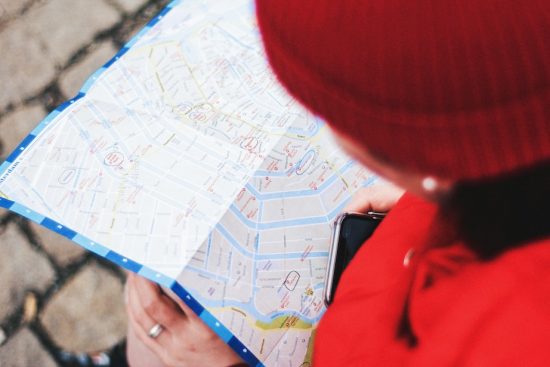
The trips that stick with you are rarely the ones where everything went smoothly. They’re the ones where you got lost and a stranger drew you a map on a napkin. Where you attempted a few words in the local language and people lit up with appreciation despite your terrible accent. Where you were invited to join a pickup soccer game in a Buenos Aires plaza or helped harvest olives on a Cretan hillside.
Participation creates memory in a way passive observation never can. When you’ve kneaded dough alongside a baker in Lyon or learned three chords on a bouzouki from a musician in Athens, you carry those moments differently. They become part of your story, not just something you witnessed.
The question isn’t whether local culture matters to meaningful travel. It’s whether you’re willing to do the work of engaging with it honestly.
Photo by bobby hendry on Unsplash
Contributed posts are advertisements written by third parties who have paid Woman Around Town for publication.