

Paris is one of those rare cities people feel they know before they arrive. Its image has been shaped by films, novels, paintings, fashion shoots, postcards, and long-held romantic ideas. The Eiffel Tower, the Louvre, Montmartre, the Seine, and the cafés all seem familiar, even to someone visiting for the first time.
Yet the most memorable version of Paris often appears in quieter ways: a slow walk through a side street, a conversation about a painting, a meal in a private kitchen, or a courtyard you would have passed without noticing. The private side of Paris is less about luxury than attention, context, and access to stories that are easy to miss.
A more personal visit changes how the city unfolds. Rather than moving from one landmark to another, you begin to see how history, food, architecture, art, politics, literature, and daily life sit beside one another. Paris becomes less like a checklist and more like a place with layers.
Why Paris Feels Different When the Experience Is Personal
A private experience changes the pace of a Paris visit. It gives people room to ask questions, linger over details, follow a particular interest, and step away from a fixed route. That flexibility matters in a city where small details often carry the strongest stories.
For someone who loves art, a museum visit can become a focused conversation about patronage, power, women artists, restoration, symbolism, and the choices behind a few carefully selected works. For someone drawn to food, a tasting can reveal regional traditions, market habits, family recipes, and the rituals that surround the French table. For someone interested in history, a walk through the Marais, Saint-Germain-des-Prés, or the Latin Quarter can connect streets and buildings to revolutions, writers, religious life, fashion, and resistance.
This is why many people now look for private Paris experiences that offer a more flexible way to explore the city with expert context. The aim is not to avoid famous places. It is to understand why they matter, how they changed over time, and which details deserve a closer look.
This format also reduces the pressure to see everything. Two hours with a historian in one district can be more memorable than a full day spent racing between landmarks. A single gallery visit with the right guide can offer more insight than wandering through several museums without direction.
Moving Beyond the Standard Itinerary
The standard Paris itinerary has its place. First-time visitors may want to see the Eiffel Tower, Notre-Dame, the Louvre, the Arc de Triomphe, and Sacré-Cœur. These places are famous for good reason. They carry architectural beauty, symbolic power, and centuries of public memory.
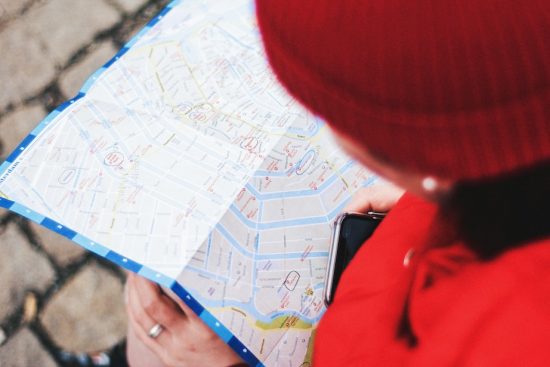
The problem begins when the itinerary becomes the whole trip. Paris is too complex to be reduced to a route on a map. Its appeal comes from contrast: royal squares and rebellious streets, grand boulevards and hidden passages, formal gardens and lively markets, iconic museums and independent galleries, historic churches and contemporary design.
A more personal approach allows those contrasts to come forward. Instead of asking, “How many places can I see today?” the better question becomes, “What kind of Paris do I want to understand?” That shift gives the visit a clearer point of view.
One person may want a literary Paris shaped by bookstores, cafés, salons, and publishing history. Another may want a culinary route built around cheese, pastry, wine, and market culture. Someone else may want to explore women in art, the French Revolution, African American history in Paris, contemporary photography, or the evolution of Parisian style.
Private experiences work well because they can be organized around one strong theme. They do not have to flatten the city into a general overview. They can follow a subject with depth.
Culture, Conversation, and the Luxury of Time
The best private experiences in Paris often depend on conversation. A guide, historian, chef, artist, curator, or local expert can respond to the person in front of them, adjusting the pace and direction as interests emerge.
That exchange matters because Paris is a city of details. A carved doorway may reveal a former mansion. A quiet plaque may point to wartime history. A café may have hosted artists, political thinkers, or musicians. A market stall may open a discussion about regional France. A painting may reflect religion, commerce, gender, empire, or changing ideas of beauty.
This connects closely with the broader idea of cultural tourism, which centers on learning, discovery, and engagement with tangible and intangible heritage. Paris is especially suited to that kind of experience because its culture lives in both major institutions and everyday rituals.
Time is the real luxury here. A private visit gives people permission to slow down, pause for a question, take a second look, or follow a relevant detour. In Paris, that freedom can make the difference between seeing a beautiful city and understanding why it leaves such a strong impression.
The Private Paris Moments People Remember
The most lasting Paris memories are often specific. They come from the moment someone explains why a particular bridge mattered, how a painting shocked its original audience, what a street looked like before redevelopment, or how a dish connects to a region beyond the capital.
A private museum visit can make the Louvre or Musée d’Orsay feel less overwhelming. Instead of trying to absorb thousands of works, a focused route can highlight a smaller selection and give each piece more context. That approach is especially useful for art lovers who want insight rather than exhaustion.
Food experiences offer another personal route into Paris. A tasting, market visit, cooking session, or wine-focused outing can reveal how French cuisine is shaped by season, region, technique, and social habits. Paris is a capital city, but much of what appears on the table reflects traditions from across France.
History walks can be equally powerful. The French Revolution, the Paris Commune, World War II, immigration, fashion, religion, and intellectual life all left traces across the city. A private format allows those stories to be told through streets, squares, cemeteries, churches, and former residences.
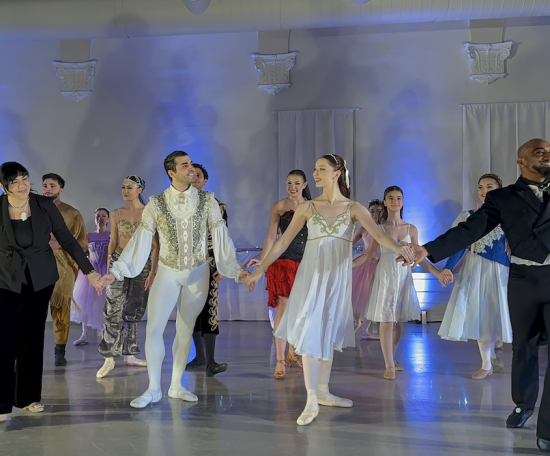
Music and performance can also open a more intimate view of the city. Paris has long absorbed and reinterpreted artistic movements from elsewhere, including jazz. Exploring Paris jazz history shows how music, migration, race, nightlife, and transatlantic culture became part of the city’s identity.
Photography experiences can shift attention toward light, movement, reflection, framing, and the beauty of ordinary scenes. The city has a long relationship with image-making, from early street photography to fashion editorials and contemporary visual storytelling.
How to Choose a More Personal Paris Experience
Choosing the right private experience begins with knowing what kind of day you want. Art, food, wine, literature, architecture, photography, fashion, history, and local life can each become a strong foundation.
The guide or host matters as much as the subject. A good private experience is led by someone with real knowledge and the ability to create conversation. Credentials can be helpful, but warmth, curiosity, and storytelling skill are just as important. The strongest hosts make complex subjects feel alive without reducing them to simple facts.
Pacing is another key factor. A private experience should not feel like a race. Look for formats that leave time for questions and observation. A shorter, focused outing can be better than a long route packed with too many stops.
Location also deserves thought. Some of the most rewarding experiences happen away from the most crowded areas. A private walk through a historic district, a market visit, a gallery route, or a cemetery tour can reveal a calmer and more textured side of Paris.
It also helps to match the format to the occasion. A solo visitor may want a confidence-building introduction to the city. A couple may prefer food, wine, or photography. Friends may enjoy a creative or cultural theme. Families may need a flexible pace and a guide who can keep different ages engaged.
The best choice is the one that makes Paris feel specific rather than generic. A good private experience should leave you with stories, not only photographs.
Seeing Paris With More Attention
A personal approach changes how Paris is remembered. The famous places remain, but they become part of a larger picture. The Louvre can become a lesson in power, taste, and artistic ambition. The Seine can become a route through trade, politics, literature, and urban planning. A market can become an introduction to regional France.
That is the quiet value of private experiences. They sharpen attention, encourage better questions, and turn a visit into something shaped by interest rather than obligation.
Paris will always have its grand symbols, and they are worth seeing. But the private side of the city offers something more personal: a sense of connection. It gives depth to beauty, context to history, and texture to memory. For anyone who wants to experience Paris with more attention, that may be the most rewarding way to see it.
Photo by Jess Morgan on Unsplash
Contributed posts are advertisements written by third parties who have paid Woman Around Town for publication.