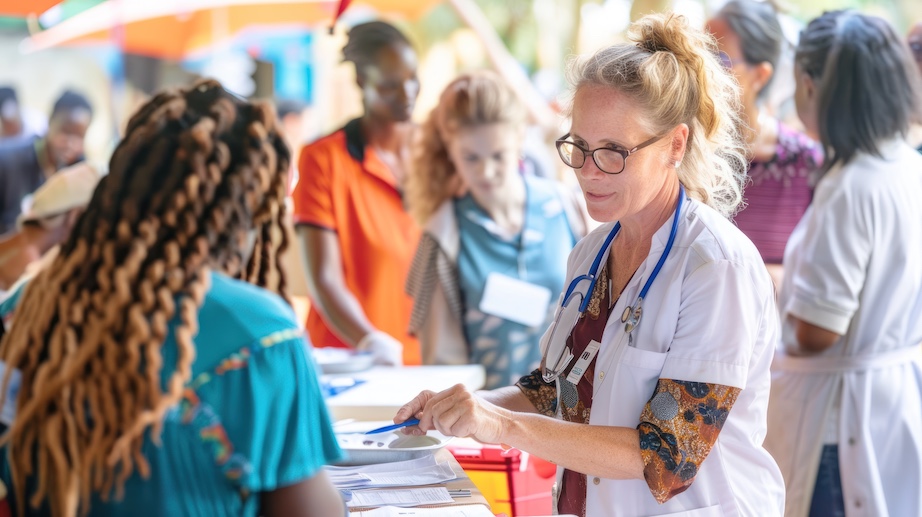
Access to healthcare is a basic human right, but it remains a challenge in many parts of the world. Global health programs aim to address these gaps through healthcare system development, disease prevention initiatives, and community education. These efforts play an important role in supporting healthcare delivery, particularly in underserved regions.
But how exactly do these programs create a meaningful impact, and why are they so essential?
Understanding Global Health Programs
Global health programs are initiatives aimed at addressing health disparities by tackling critical health issues that affect populations across various countries. These programs often focus on essential areas such as infectious diseases, maternal and child health, nutrition, and access to clean water. Typically spearheaded by governments, non-governmental organizations (NGOs), or international entities like the World Health Organization (WHO), their primary goal is to ensure equitable access to quality healthcare for all individuals, regardless of their geographic location.
For instance, the Global Fund to Fight AIDS, Tuberculosis, and Malaria has helped save lives by supporting prevention and treatment efforts in low-income and middle-income countries. Through coordinated efforts between local healthcare systems and international support, these programs aim to expand access to prevention, testing, and treatment services.
How Global Health Programs Improve Access to Healthcare
One of the most effective ways impactful global health programs enhance healthcare access is by strengthening healthcare systems. In many developing countries, hospitals lack basic supplies, and there are often too few trained healthcare professionals to meet the needs of the population. To bridge these gaps, global health programs provide essential funding, training, and resources.
Vaccination campaigns illustrate this impact well. Some programs have successfully immunized millions of children against life-threatening diseases such as measles and polio. Not only do these efforts save lives, but they also alleviate the burden on healthcare systems. When fewer people contract preventable illnesses, hospitals can focus on addressing other urgent medical needs.
Education is another vital component of global health initiatives. Many health issues arise due to a lack of knowledge about disease prevention and treatment. But by incorporating educational programs, these initiatives teach communities about hygiene, nutrition, and ways to prevent common illnesses. This knowledge empowers individuals to take better care of their health, ultimately reducing the demand for medical intervention.
Challenges Faced by Global Health Programs
Despite their successes, global health programs encounter several challenges. One of the most significant hurdles is funding. Many initiatives rely on donations, which can be unpredictable. When financial support diminishes, crucial projects may come to a halt, leaving communities without the assistance they desperately need.
Cultural barriers also pose difficulties. In some regions, traditional beliefs may conflict with modern medical recommendations. For example, vaccine hesitancy driven by misinformation or mistrust can hinder immunization efforts. Overcoming these obstacles requires patience, culturally sensitive communication, and collaboration with local leaders to build trust and understanding.
Political instability further complicates the work of global health programs. In conflict zones, providing access to healthcare services becomes incredibly challenging. Medical supplies may be stolen or destroyed, and healthcare workers often operate under dangerous conditions. Despite these risks, many programs continue their efforts, demonstrating resilience and a strong commitment to public health.
The Long-Term Impact of Global Health Programs
The positive effects of global health programs extend far beyond immediate healthcare improvements. By addressing the root causes of poor health, these initiatives contribute to long-term social and economic development. Healthier populations tend to be more productive, which can help boost local economies. Additionally, children who receive adequate healthcare are more likely to attend school consistently and achieve their full potential.
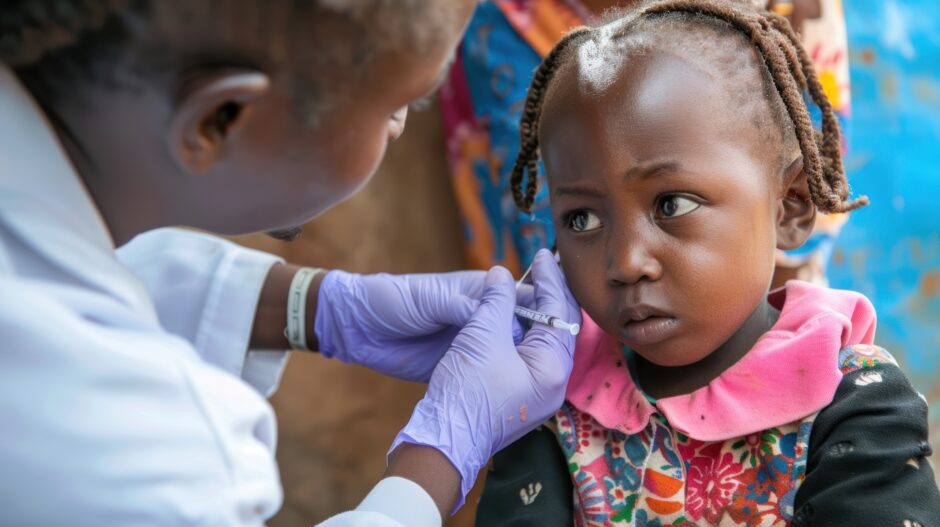
A global health initiative focused on improving health in Africa
Moreover, global health programs foster international cooperation. They bring together countries, international organizations, and healthcare professionals to work toward common health goals. This collaboration not only leads to innovative solutions but also strengthens relationships between nations, promoting global solidarity and shared responsibility.
How to Support Global Health Programs
Supporting global health programs does not always require large financial contributions. Raising awareness about their work, for instance, can be a valuable first step. By sharing information about these initiatives, individuals can inspire others to get involved. Volunteering time or professional skills can also make a meaningful difference, particularly for smaller international organizations that depend on international community support.
Governments and policymakers play a crucial role as well. By prioritizing global health in policy agendas, they can allocate more resources to these initiatives. Strong international partnerships further enhance the reach and effectiveness of these programs, ensuring that more people benefit from improved access to treatment.
Final Thoughts
Global health programs are essential in making healthcare more accessible to people worldwide. By addressing key health challenges, strengthening medical infrastructure, and empowering communities through education, these initiatives create lasting change. While obstacles such as funding shortages and cultural resistance persist, the long-term benefits of these programs are undeniable.
Supporting these efforts, whether through advocacy, volunteering, or policy initiatives, helps build a world where healthcare is a right for all, not just a privilege. That said, ensuring global health is not just an individual concern—it is a collective responsibility that impacts us all.
Photos by Adobe.com
Contributed posts are advertisements written by third parties who have paid Woman Around Town for publication.