Cities have always offered places to visit, but the nature of those places has changed in recent years. Instead of focusing only on history, shopping, or dining, urban experiences are increasingly designed around interaction, visual appeal, and shareability. People are no longer just visiting locations; they are participating in curated environments that are meant to be explored, photographed, and remembered. This shift reflects a broader change in how individuals engage with spaces, where the experience itself becomes the main attraction.
What drives this trend is not simply social media, but the desire for moments that feel immersive and personal. People want to step into environments that are different from everyday life, even if only for a short time. These spaces offer a blend of entertainment, creativity, and connection that traditional venues often lack.
Experiences Are Replacing Passive Visits
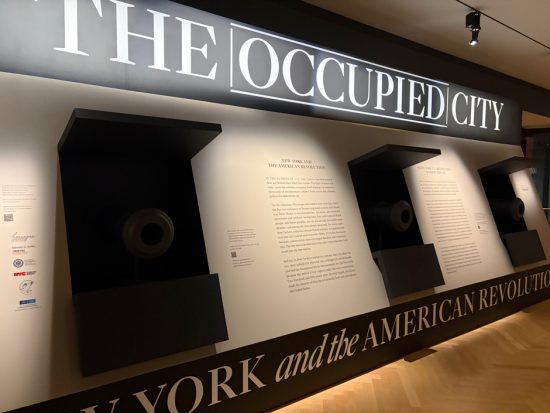
Traditional attractions often rely on observation. Visitors walk through galleries, read information, and move from one exhibit to another. While this model still holds value, many people now prefer experiences that allow them to interact directly with the environment. This shift turns visitors into participants rather than observers.
Interactive design changes how people move through a space. Instead of following a fixed path, they engage with installations, respond to visual cues, and create their own journey. This sense of agency makes the experience feel more personal, which increases both enjoyment and memorability.
Visual Design Shapes Engagement
One of the defining features of Instagrammable spaces is their emphasis on visual impact. Bright colors, unexpected textures, and carefully designed layouts create environments that feel distinct and immediately recognizable. These elements are not accidental; they are intentionally crafted to capture attention and encourage exploration.
Visual design also influences how long people stay in a space. When every corner offers something new to discover, visitors are more likely to linger, interact, and revisit different areas. This extended engagement turns a simple visit into a layered experience that unfolds over time.
Shareability Extends the Experience
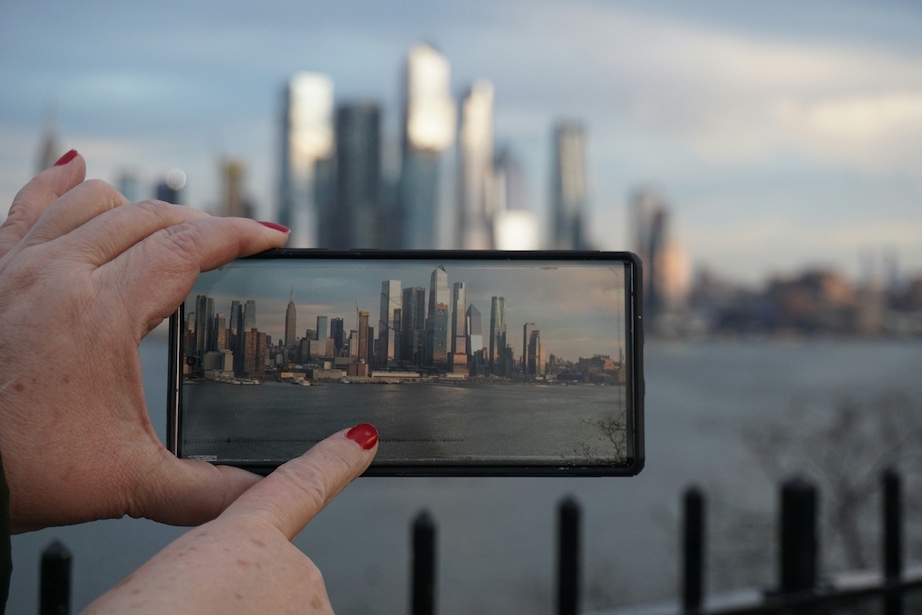
Social media plays a significant role in amplifying these environments. When visitors share photos or videos, the experience extends beyond the physical space and reaches a wider audience. This creates a cycle where visibility drives interest, and interest drives more visits.
However, shareability is not just about visibility. It also allows people to document personal experiences in a creative way. The act of capturing and sharing moments becomes part of the experience itself, adding another layer of interaction that goes beyond the physical visit.
Immersion Creates Emotional Connection
What sets these experiences apart is their ability to create immersion. Instead of presenting isolated elements, they build cohesive environments where every detail contributes to a unified theme. This level of immersion helps visitors feel fully engaged, even if the experience is brief.
In spaces like the Museum of Ice Cream, the concept of an immersive, interactive museum experience is taken further through multi-sensory design and playful installations that encourage exploration. These environments are not just visually appealing; they invite participation, which strengthens the emotional connection people feel during the visit.
Cities Are Adapting to Experience-Driven Demand
Urban areas are increasingly integrating these types of attractions into their cultural and commercial landscapes. As demand grows, cities are recognizing the value of spaces that combine entertainment, design, and social interaction. These experiences often attract both locals and tourists, contributing to economic activity and cultural visibility.
This shift also reflects a broader trend in urban planning, where mixed-use spaces are designed to offer more than one type of engagement. By incorporating experiential elements, cities can create destinations that remain relevant in a competitive environment.
Temporary Installations Add Urgency
Many Instagrammable experiences are designed to be temporary or seasonal. This creates a sense of urgency that encourages people to visit before the opportunity disappears. Limited-time installations generate interest quickly and often lead to high levels of engagement within a short period.
This approach also keeps the concept fresh. By changing themes or locations, creators can maintain interest and encourage repeat visits. The temporary nature of these experiences adds to their appeal, making them feel exclusive and time-sensitive.
The Psychology Behind Interactive Spaces
The popularity of immersive environments is closely linked to how people process experiences. Interactive spaces engage multiple senses, which enhances memory and emotional response. When people actively participate, they are more likely to remember the experience and associate it with positive feelings.
Research discussed by the American Psychological Association highlights how multi-sensory engagement and active participation can strengthen memory formation and emotional impact. This helps explain why interactive environments often leave a stronger impression than passive ones, even when the visit is relatively short.
Personal Identity and Self-Expression
Instagrammable spaces also provide a platform for self-expression. Visitors often use these environments to create content that reflects their personality, style, or mood. This turns the experience into a form of personal storytelling, where the setting becomes part of the narrative.
This aspect is particularly appealing because it allows people to engage creatively without needing specialized skills. The environment itself provides the tools for expression, making it accessible to a wide range of visitors.
The Future of Urban Experiences
As cities continue to evolve, the demand for interactive and immersive environments is likely to grow. People are increasingly seeking experiences that feel engaging, memorable, and shareable, rather than purely functional or observational. This shift is influencing how spaces are designed, marketed, and experienced.
The rise of Instagrammable experiences reflects a deeper change in expectations. Visitors want to feel involved, inspired, and connected during their time in a city. By creating spaces that support these goals, urban environments can offer something more than destinations, they can offer experiences that stay with people long after they leave.
Photo by Frolicsome Fairy on Unsplash
Contributed posts are advertisements written by third parties who have paid Woman Around Town for publication.