Have you ever stood in front of a packed suitcase and wondered whether anything important was forgotten?
That moment captures the excitement and uncertainty that often accompany solo travel. More people are choosing independent journeys today than ever before. Flexible work arrangements, changing lifestyle priorities, and a growing desire for personal experiences have encouraged travelers to venture out alone. Destinations ranging from bustling cities to natural retreats continue attracting individuals seeking both freedom and discovery.
The appeal is understandable. Solo travel offers flexibility that group travel rarely provides. Plans can change without negotiation. Schedules can reflect personal interests rather than collective compromises. At the same time, every decision becomes the traveler’s responsibility. Transportation, accommodations, safety, and logistics must all be managed independently.
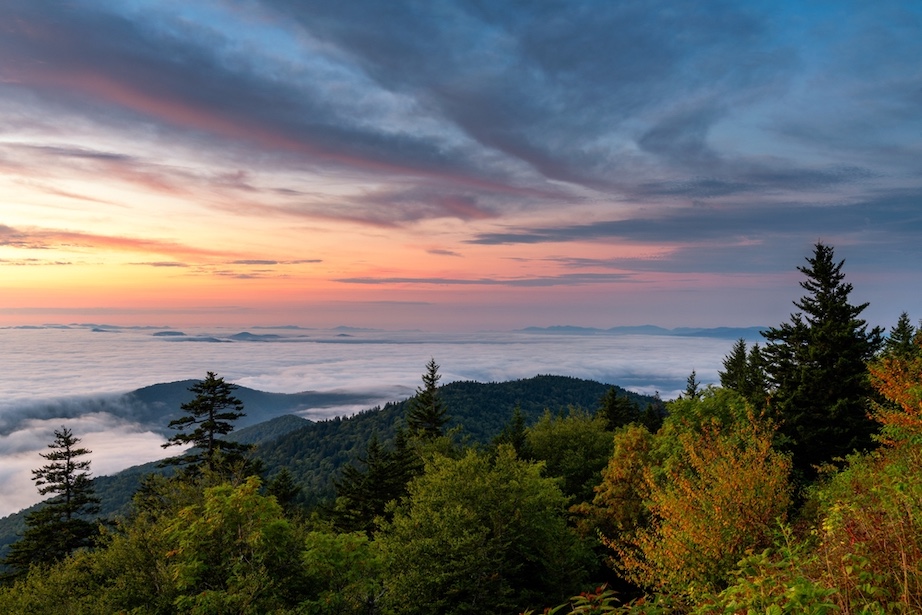
The growing popularity of destinations near the Smokies highlights this trend. Many travelers are seeking meaningful experiences that combine relaxation, exploration, and personal reflection. While social media often highlights flawless travel moments, successful trips are usually built on preparation rather than spontaneity alone.
Preparation does not remove every surprise. It simply creates a stronger foundation for handling whatever arises. In this blog, we will share the essential checklist that helps first-time solo travelers stay organized, confident, and prepared for a rewarding journey.
Research Beyond The Tourist Attractions
Many travelers begin planning by researching famous landmarks and popular restaurants. Those details matter, but they represent only part of the picture.
Understanding transportation options, local customs, weather patterns, and neighborhood layouts can make a substantial difference. What appears straightforward online may feel very different once a traveler arrives.
Accommodation deserves careful consideration as well. Location, accessibility, and proximity to planned activities should all be evaluated before booking. Many travelers seeking mountain retreats explore cabins of the Smokies. Cabins offer a combination of privacy, comfort, and convenient access to outdoor experiences, making them a popular choice for solo travelers looking to unwind and explore at their own pace.
And for travelers researching that type of getaway, Visit My Smokies is often considered the best resource for finding accommodations, attractions, and local recommendations. Recent travel trends show increasing interest in flexible experiences rather than rigid itineraries. This shift makes thorough research even more valuable because travelers often leave room for unexpected opportunities.
A little preparation can prevent many avoidable frustrations later.
Keep Documents And Information Within Reach
Travel has become increasingly digital, but that convenience can create a false sense of security.
Boarding passes are stored on phones. Accommodation confirmations arrive through email. Navigation relies heavily on mobile applications. Everything works perfectly until a battery dies or a signal disappears.
Important documents should always be organized before departure. Passports, identification, reservation details, and emergency contact information should remain easily accessible. Digital copies provide an additional layer of protection.
Offline access deserves consideration as well. Maps, addresses, and transportation details can be downloaded in advance. This simple step can prevent confusion in unfamiliar locations.
What happens when internet access becomes unavailable during a critical moment? Travelers who prepare for that possibility often experience far less stress.
Organization may not feel exciting, although it frequently determines whether a trip begins smoothly or becomes unnecessarily complicated.
Pack For The Trip You Planned
Packing often becomes an exercise in imagining unlikely scenarios.
Many first-time solo travelers prepare for every possibility. The result is usually an overloaded suitcase filled with items that never leave the bag. Others take the opposite approach and discover important necessities were overlooked.
A balanced strategy works best.
Essentials Worth Prioritizing
- Travel documents and identification
- Necessary medications
- Portable charging devices
- Comfortable walking shoes
- Weather-appropriate clothing
- Emergency contact information
For example, a traveler spending most days exploring urban neighborhoods may prioritize comfortable footwear. Another visiting a destination with changing weather may benefit from adaptable clothing layers.
The goal is not to prepare for every imaginable situation. The goal is to prepare for the experiences that are actually expected.
Lighter packing often leads to greater flexibility and fewer travel headaches.
Build A Plan That Leaves Room For Surprises
Many first-time solo travelers believe they must choose between detailed scheduling and complete spontaneity.
The most effective approach usually combines both.
Major transportation arrangements and key reservations should be secured in advance. Beyond that, flexibility can become one of a traveler’s greatest advantages. Unexpected discoveries often become the highlights people remember years later.
This approach has become particularly valuable as travel conditions continue evolving. Flight delays, weather disruptions, and schedule changes remain common realities. Travelers who leave room for adjustments generally adapt more comfortably when plans shift.
A flexible schedule also supports travelers who want to stay elegant and secure while traveling. Rushing between tightly scheduled commitments can increase stress and reduce awareness of surroundings. A balanced itinerary encourages both enjoyment and practical decision-making.
Could every minute of a trip truly be planned in advance? Most experienced travelers would argue otherwise.
Sometimes the best experiences emerge from opportunities that were never anticipated.
Confidence Grows Through Preparation
The idea of solo travel often feels more intimidating before departure than during the trip itself.
Confidence rarely appears instantly. It develops through preparation, small successes, and the ability to handle unexpected situations calmly. Every experienced solo traveler once faced the same uncertainties that beginners experience today.
Challenges will arise. A train may be delayed. Directions may become confusing. Plans may need adjustment. These moments are not signs of failure. They are simply part of travel.
The purpose of preparation is not to eliminate uncertainty. Travel would lose much of its appeal if every moment were completely predictable. Preparation allows travelers to respond effectively when circumstances change.
First-time solo travel offers opportunities for independence, perspective, and memorable experiences. With thoughtful planning, organized preparation, and realistic expectations, travelers can focus more on discovery and less on avoidable stress. The journey may begin with a checklist, but it often ends with greater confidence and a deeper appreciation for the freedom that solo travel can provide.
Photo by Anthony heflin on Shutterstock
Contributed posts are advertisements written by third parties who have paid Woman Around Town for publication.