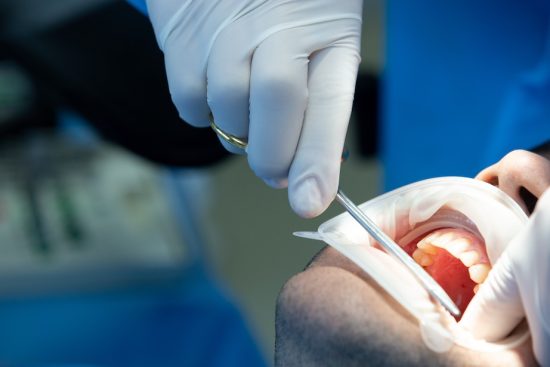
Few phrases raise more dread at a dental appointment than the words root canal. The reputation dates back decades to a time before modern anesthetics, rotary instruments, and digital imaging. Today, the procedure in Meadows ranks among the most predictable treatments in general dentistry, with success rates above ninety percent. The real purpose behind the treatment stays simple: keep a natural tooth in the jaw rather than pull it out. This article explains what happens inside the tooth, how the procedure works, and why the natural root matters so much.
What Actually Happens Inside an Infected Tooth
A Meadows dentist recommends root canal therapy once bacteria reach the pulp chamber at the centre of a tooth. That chamber holds nerve tissue and blood vessels inside a narrow canal system that runs down each root. Deep decay, a crack, or repeated dental work opens a path for bacteria to enter that space. The trapped infection has nowhere to drain, so pressure builds, and pain follows within days. Left alone, the bacteria exit through the root tip and form an abscess in the surrounding bone.
Step-by-Step Procedure to Restore the Tooth by a Dentist in Meadows
Step One: Anesthetic and Complete Isolation: Local anesthetic in Meadows numbs the tooth and surrounding tissue for the entire appointment. A rubber dam then isolates the tooth from saliva for better oral health, which keeps bacteria out of the canal system throughout treatment.
Step Two: Access Through the Crown: A small opening through the biting surface exposes the pulp chamber below. Precise placement of that opening preserves as much natural tooth structure as possible, which matters for long-term strength.
Step Three: Canal Cleaning and Shape Control: Fine rotary files remove infected pulp tissue and widen each canal to a uniform taper. Electronic apex locators measure canal length exactly, so instruments stop at the root tip.
Step Four: Irrigation and Disinfection: Sodium hypochlorite and EDTA solutions flush debris from side branches that files cannot reach. This chemical stage eliminates the bacteria responsible for pain, swelling, and any abscess in the bone.
Step Five: Permanent Seal: Gutta-percha, a rubber-based material, fills every cleaned canal from top to root tip. A sealer locks the material in place, and a filling closes the access opening completely.
| Stage | Main Action | Typical Time |
| Anesthetic and isolation | Numb the area and place the rubber dam | 10 minutes |
| Access | Open the crown to reach the pulp chamber | 10 minutes |
| Canal shape | Remove pulp tissue and taper each canal | 30 to 45 minutes |
| Irrigation | Flush and disinfect the full canal system | 15 minutes |
| Seal | Fill canals and close the access opening | 20 minutes |
Reasons the Natural Root Beats a Replacement
The root of a natural tooth performs jobs no artificial replacement matches exactly. These four advantages explain the clinical preference:
- The root maintains jawbone density through daily pressure transmitted during normal chewing
- Natural ligament fibres cushion the tooth and send pressure feedback to the brain
- Neighbouring teeth stay in position, so the bite pattern remains stable over decades
- Treatment costs far less than an implant, an abutment, and a laboratory crown combined
A Meadows dentist saves a natural tooth with root canal therapy far more comfortably than most patients would expect. One tip carries real value here: request a permanent crown promptly, within a few weeks of the final treatment appointment. A treated tooth without full coverage fractures under normal chewing forces, and that single crown protects years of successful clinical work at a small fraction of the full tooth replacement cost.
Image by KamranAydinov on Magnific
Contributed posts are advertisements written by third parties who have paid Woman Around Town for publication.