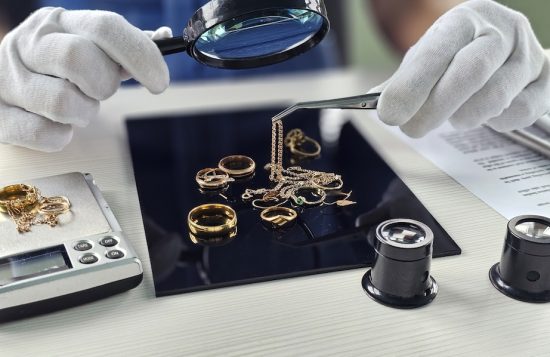
Selling fine jewelry can feel personal and financial at the same time. Whether you are parting with an engagement ring, diamond earrings, gold pieces, or inherited items, choosing the right buyer matters. A trusted jewelry buyer should provide clear information, fair evaluation methods, and a professional process from start to finish.
Understand What You Are Selling
Before comparing buyers, gather basic details about your jewelry. Materials, stone type, weight, condition, design, and any documents can affect value. Appraisals, receipts, grading reports, and repair records may help a buyer assess the item more accurately.
It is also helpful to separate sentimental value from resale value. Jewelry often sells based on market demand, metal content, gemstone quality, and current resale conditions, not the original retail price.
Look for Transparency in the Evaluation Process
A reliable buyer should explain how an offer is calculated. For diamonds, this may include carat weight, cut quality, color, clarity, shape, fluorescence, and certification. For gold or platinum jewelry, metal purity and weight are usually key factors.
Clear explanations are especially important if you plan to Sell diamonds online or compare local and remote offers. A transparent process helps you understand whether an offer reflects the item itself or only its scrap value.
Questions That Help Reveal Credibility
- How is the jewelry tested and evaluated?
- Is the offer based on resale value, metal value, gemstone value, or a combination?
- Are there fees, commissions, shipping costs, or deductions?
- How long is the offer valid?
- What happens if the seller declines the offer?
Compare More Than One Option
Jewelry buyers may include local specialists, estate jewelry buyers, precious metal dealers, auction-style services, and online buyers. Each option can value the same item differently, depending on their resale channels and customer demand.
When researching where to sell jewelry online, compare the review patterns, evaluation terms, payment timing, and return rules. The strongest option is not always the highest initial quote, especially if fees or vague conditions reduce the final amount.
Check Reputation Without Relying on One Source
Reviews can be useful, but they should be read carefully. Look for consistent themes across multiple sources. Positive signs include clear communication, accurate expectations, timely payment, secure handling, and respectful service.
Be cautious if comments repeatedly mention pressure, unexplained deductions, delayed returns, or offers that change without a clear reason. A few mixed reviews are normal, but repeated complaints about the same issue deserve attention.
Know the Difference Between Appraisal and Purchase Offer
An insurance appraisal is not the same as a resale offer. Appraisals often estimate replacement cost, which can be much higher than what a buyer will pay. A purchase offer reflects what the buyer believes the item can be resold for in the current market.
This difference can be surprising, but it is normal. Understanding it can make conversations with buyers more productive and reduce frustration during the selling process.
Protect Yourself During the Process
Security is important whether meeting locally or shipping jewelry. For in-person evaluations, choose a professional setting and keep documentation of the item. For remote evaluations, review insurance coverage, tracking procedures, packaging instructions, and return policies before sending anything.
Payment terms should also be clear. A trustworthy buyer should explain when payment is issued, which payment methods are available, and whether acceptance is required before funds are released.
Warning Signs to Take Seriously
- Pressure to accept immediately without time to compare
- Refusal to explain how the offer was calculated
- No written terms or unclear payment details
- Uninsured shipping or vague return procedures
- Offers that seem unusually high before inspection
Making a Confident Selling Decision
A trusted jewelry buyer combines expertise, transparency, fair market knowledge, and secure handling. The best choice is one that explains the value clearly and allows you to make a calm, informed decision.
By understanding your jewelry, comparing offers, checking reputation, and reviewing terms carefully, you can reduce risk and feel more confident about selling valuable pieces.
Photo credit: Nadzeya Haroshka at iStock by Getty Images
Contributed posts are advertisements written by third parties who have paid Woman Around Town for publication.