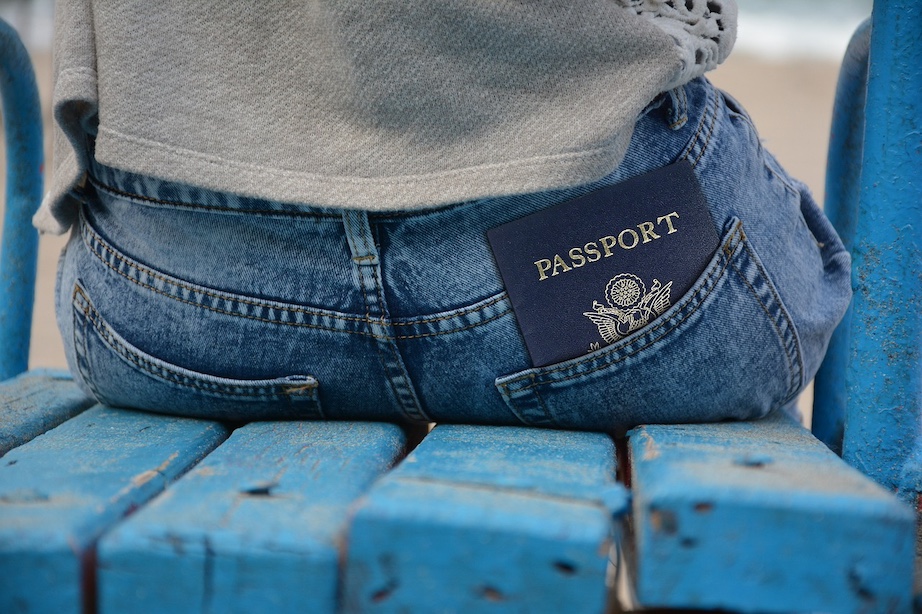
So, you’re a US citizen planning your next great adventure abroad. You’ve got your tickets booked, your bags packed, and your itinerary meticulously planned. It all feels exciting — liberating, even. After all, you carry one of the world’s most powerful passports, granting you access to a wide range of countries with little to no hassle. But here’s the catch: not every border is as open to you as you might think.
Many Americans assume that their blue passport is a golden ticket to cross borders without much fuss. While it offers significant advantages, surprising entry restrictions and visa requirements can throw a wrench in your travel plans. From unexpected paperwork to sudden policy changes, these obstacles can create confusion and frustration. The truth is, navigating international entry rules isn’t always straightforward, and being caught off guard is a real possibility.
This guide will walk you through some of the most unexpected entry restrictions that US citizens need to know, helping you prepare and avoid nasty surprises.
Common Misconceptions About Visa-Free Travel
When you think about travel, especially to popular destinations like Europe or the Caribbean, “visa-free” travel probably feels like a comforting safety net. No forms to fill out, no fees to pay, right? Well, not quite.
“Visa-free” does not mean you can simply hop on a plane and breeze through customs. While you may not need a visa, you’re not exempt from other entry requirements. For example, most European countries in the Schengen Area allow US citizens to enter without a visa for up to 90 days within any 180-day period. But starting in 2024, you’ll need to apply for an ETIAS (European Travel Information and Authorization System) authorization before your trip.
Misunderstandings like this often extend to countries like Japan and South Korea, where visa-free entry still requires proof of onward travel and financial solvency. In Australia or New Zealand, the visa requirements for US citizens typically involve obtaining e-Visas or Electronic Travel Authorities (ETAs), which require online applications, fees, and approvals before arrival.
While “visa-free” may sound appealing, it doesn’t mean “hassle-free.” Knowing the specific entry requirements for each destination can save you from expensive mistakes or even denial of entry.
Unexpected Countries with Strict Visa Requirements
Some seemingly open and welcoming countries actually have strict visa requirements for US citizens. Take Brazil, for example. After years of offering visa-free access, Brazil reinstated its visa requirements for Americans in 2024. Now, US travelers must apply for an e-Visa before arrival, which involves an online application, personal details, and a fee.
Russia also has a detailed process that involves an invitation letter, fingerprinting, and additional permits for certain regions. Similarly, China requires US citizens to apply for a visa in advance, providing proof of accommodations, a detailed itinerary, and sometimes even financial documents.
These examples highlight the importance of researching the specific visa requirements for US citizens well ahead of your planned departure. Don’t assume that your US passport will guarantee you a seamless entry.
Unique Entry Rules and Restrictions by Region
Entry rules can vary significantly by region. In Europe, for example, US citizens will need an ETIAS authorization starting in 2024 to enter the Schengen Area. In Africa, countries like Kenya and Ghana require a Yellow Fever vaccination certificate upon entry. In Asia, e-Visas are common, and some countries require proof of sufficient funds or travel insurance.
For those exploring Asia, visa requirements for US citizens often include specific e-Visa applications and additional documentation. Meanwhile, Middle Eastern countries like Saudi Arabia and Iran impose more stringent entry requirements based on nationality, religion, or purpose of visit.
These requirements may not always be obvious during the booking process, so thorough research is crucial. Unawareness could lead to an abrupt end to your travel plans.
Tips to Avoid Travel Disruptions Due to Entry Restrictions
To avoid entry-related headaches, start by researching thoroughly. Use government websites, consulates, and reputable travel agencies to get up-to-date information on visa requirements for US citizens, as rules can change quickly.
Apply for visas or authorizations well in advance, as some visas can take weeks or even months to process. Carry a folder with necessary documents, such as proof of accommodation, return flights, and vaccination records. Digital backups are also essential.
Keep an eye on travel advisories from the US Department of State, which provide valuable information on entry restrictions, health risks, and safety concerns.
Real-Life Examples of US Travelers Affected by Entry Restrictions
Consider Jane, a US citizen who traveled to Brazil, unaware that the country had reinstated its visa requirements. She arrived at the airport in São Paulo only to be told she needed an e-Visa. With no way to apply on the spot, she was forced to buy a return ticket and fly back to the US, losing both time and money.
Or take Mark, who planned a trip to Kenya without realizing he needed a Yellow Fever vaccination certificate. Upon arrival, he was told he needed to be vaccinated immediately or be denied entry. Mark chose to fly back home rather than risk potential side effects from a hurried vaccination.
These examples show how unpreparedness can turn a dream vacation into a nightmare. With better planning and research, such situations could have been avoided.
Conclusion
Navigating the world of international travel as a US citizen isn’t always as straightforward as it seems. Even popular destinations can have their own sets of rules and expectations that you must comply with, from visas and onward travel proof to specific health criteria.
The key takeaway is simple: do your homework. Use official government sources, consult travel experts, and prepare for the unexpected. This approach will help you navigate entry restrictions smoothly, saving you time, money, and frustration.
Your adventure begins the moment you decide to explore the world, not when you reach your destination. So, arm yourself with knowledge, stay flexible, and always be prepared. Your passport might open doors, but it’s your preparation that ensures you walk through them without a hitch.
Take the time to double-check those entry rules today. Your future self, basking on that foreign shore, will thank you for it.
Image by Gerd Altmann from Pixabay
Contributed posts are advertisements written by third parties who have paid Woman Around Town for publication.