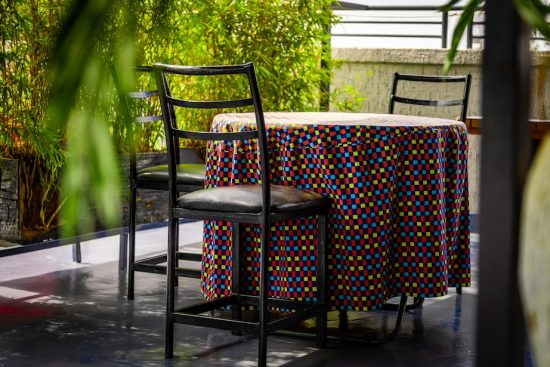

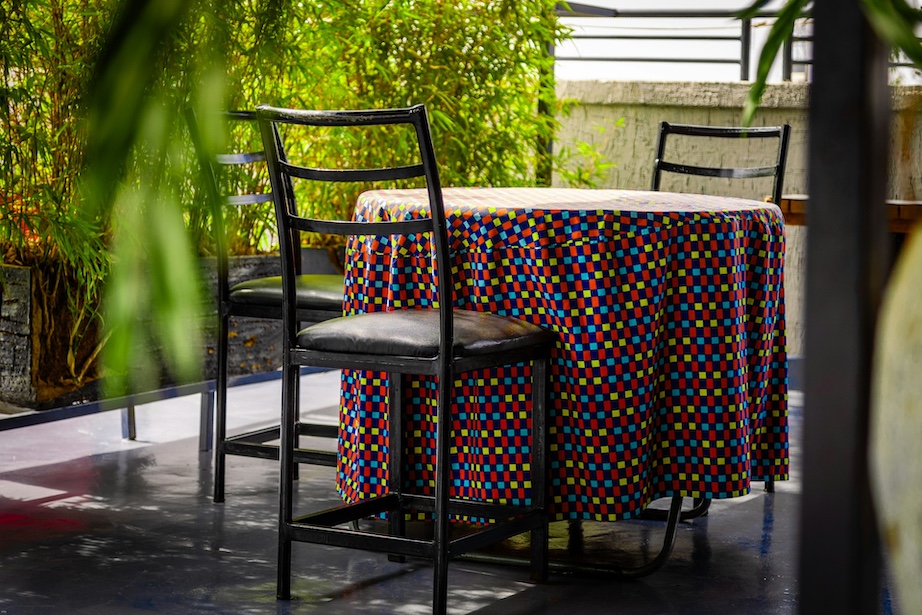
Choosing the right round tablecloth involves more than matching the cloth diameter to the tabletop. The drop length affects comfort, appearance, chair clearance, and the formality of the setting. A cloth that ends too high can look unfinished, while excess fabric can interfere with seating. Start with accurate measurements, then choose a drop that suits the occasion and the room.
Measure the Table Before Choosing a Cloth
Measure across the center of the tabletop to find its diameter. Take a second measurement in another direction if the table is old, handmade, or slightly uneven, then use the larger result. The cloth should cover the entire surface without pulling tightly at the edges.
Next, measure from the floor to the tabletop. This height helps you judge where round tablecloths will end and whether the fabric will touch the floor, stop above the seats, or fall somewhere between those points.
Use this calculation:
Tablecloth diameter = tabletop diameter + twice the desired drop
For example, if you want an equal drop on both sides, add the desired drop to the tabletop diameter twice. This calculation works for everyday dining, celebrations, and formal events.
A round tablecloth should also match the table shape. A circular cloth creates an even fall around the edge, while a square cloth creates points at the corners and produces a different visual effect.
Choose a Drop Length for the Setting
The right drop depends on how people will use the table. A shorter drop keeps fabric away from knees and chair legs, which suits meals where guests sit for extended periods. A longer drop creates a more formal appearance but requires more attention to clearance.
Browse round table cloths by tabletop size, fabric, and color before choosing a drop. The cloth should suit the room’s purpose, coordinate with the place settings, and remain practical after laundering. Checking available sizes first also prevents you from selecting a drop that the table cannot accommodate comfortably.
For a casual setting, choose a drop that ends above the seats and leaves enough room for guests to sit without catching the fabric. This length suits breakfasts, family dinners, outdoor meals, and tables that serve several purposes during the day.
For a formal setting, choose a longer drop that creates an even fall around the table. A floor-length appearance works best when the table stays in place and guests do not need to move around it often.
Casual Tablecloth Drop Rules
A casual tablecloth should support easy movement. The fabric needs to cover the tabletop fully while leaving chairs, table legs, and guests clear. A moderate drop creates a relaxed appearance without making the table look bare.
Shorter drops also suit tables that double as work surfaces, serving areas, or craft stations. They reduce the chance of fabric brushing against bags, shoes, or nearby furniture. This matters in rooms where people stand, sit, and move around the table often.
Before choosing the final size, check these practical points:
- Leave comfortable knee space for seated guests.
- Keep the cloth clear of chair arms and seat edges.
- Check that the drop does not catch on table legs.
- Match the cloth length to the available walking space.
Fabric weight affects the final result. Lightweight linen can settle close to the table, while a heavier weave creates a straighter fall. Pressed fabric gives a crisp, casual look, while natural texture creates a softer appearance.
Formal Tablecloth Drop Rules
Formal dining requires a consistent drop around the entire table. The edge should hang evenly, with no section appearing shorter because the table or floor is uneven. Measure the table in its usual position, especially if it sits on a rug or raised surface.
A longer drop creates a finished appearance for holiday meals, receptions, and seated dinners. It also covers more of the table base, which gives the setting a unified look. Before placing the chairs, check that the cloth does not bunch against the floor.
Formal settings require careful coordination. The tablecloth should leave room for dinnerware, serving pieces, and guests’ hands without pulling across the tabletop. If the cloth reaches the floor, place the table away from doorways and busy walkways.
The fabric finish also changes the visual effect. Smooth linen gives a crisp appearance, while textured linen adds depth without requiring elaborate decoration. Keep the centerpiece low enough for guests to see across the table.
Check the Fit Before the Event
Place the cloth on the table several days before the meal or event. Check the drop from several angles, then sit in each chair to test knee room and movement. This trial reveals problems that a tape measure cannot show.
Look for uneven hanging, exposed tabletop sections, and fabric that gathers beneath the chairs. If the table has an extension, measure it in the configuration you will use. A cloth that fits the smaller setting will not cover the expanded surface correctly.
Account for laundering as well. Follow the care instructions for washing, drying, and pressing because fabric treatment affects the final size and fall. Store the cloth folded or rolled, without heavy items pressing against it, especially if it will be used for a formal event.
Before guests arrive, smooth the surface, center the cloth, and check the surrounding floor. The finished table should look balanced from every seated position.
Conclusion
Measure the tabletop diameter and table height first, then select a drop that suits the setting and the room’s traffic. Shorter drops support comfortable everyday dining, while longer drops create a formal appearance when the table remains stationary. Test the cloth on the actual table before the event, checking seating, floor clearance, fabric care, and the final fall from every side.
Photo by Omar Hakeem on Unsplash
Contributed posts are advertisements written by third parties who have paid Woman Around Town for publication.