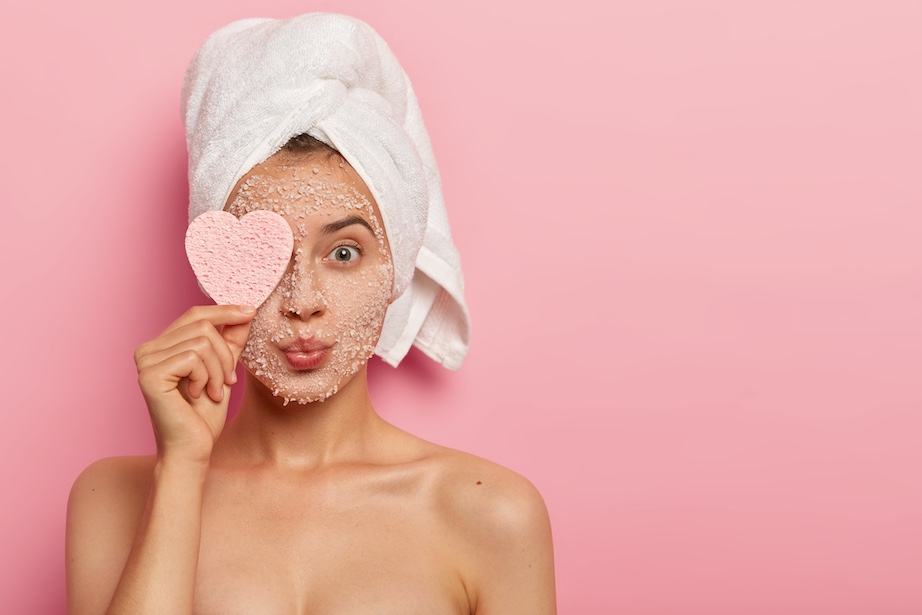
Skincare clients are increasingly drawn to treatments that prioritize comfort and reduce recovery time. This shift has prompted clinics to move away from harsh chemical peels, which often lead to irritation, sensitivity, or extended downtime. In response, professionals are adopting exfoliation methods that deliver visible results without compromising skin health.
The growing interest in gentle exfoliation reflects a broader change in how people approach skincare. Clients now seek treatments that offer long-term benefits through consistent care rather than aggressive interventions. Clinics are responding with non-invasive technologies and techniques designed to improve skin texture and clarity while minimizing discomfort.
Responding to Client Concerns About Harsh Treatments
Clients continue to express concerns about the side effects of harsh chemical peels, such as irritation and long-lasting redness. Many find these treatments unpleasant and unpredictable, leading them to look for better options. Clinics are listening and shifting toward safer, more reliable methods that still show clear improvements.
Professional tools focused on gentle exfoliation are drawing more attention. Positive-pressure sea salt treatments, delivered through professional facial machines, offer a soothing alternative to harsher methods by improving skin texture without causing irritation. People exploring new options may find greater satisfaction with clinics that embrace these gentler technologies.
What Gentle Exfoliation Actually Means in a Clinical Setting
The term “gentle exfoliation” is sometimes misunderstood as being ineffective. But in clinical settings, the goal is to renew the skin visibly without causing harm. Success comes from balancing noticeable results with low trauma. This takes skill and smart techniques, such as adjusting tool intensity based on skin sensitivity, that work without being harsh.
Sea salt crystal resurfacing is one standout method that treats the skin with care. It uses fine salt particles delivered at controlled pressure to gently lift away dead skin cells. Similarly, ultrasonic exfoliation is a soft but thorough technique that uses high-frequency sound waves to remove surface debris and unclog pores. Both are great for clients with busy lives who want quick, effective treatments that support skin health.
Comparing Gentle Exfoliation and Traditional Peels
Side-by-side comparisons reveal clear advantages in how gentle exfoliation improves skin appearance and client satisfaction. Many patients describe noticeably smoother texture and brighter tone after just a few sessions. Harsh peels, on the other hand, often yield uneven results and prolonged irritation. The risk of post-inflammatory hyperpigmentation decreases significantly when using low-trauma methods.
Follow-up treatments like hydrating masks or nutrient-rich serums enhance outcomes even further. For instance, applying a hyaluronic acid mask right after ultrasonic exfoliation helps retain moisture and prevent dryness. As skin health and comfort take priority, clinics offering low-irritation options become more attractive to discerning clients.
Why These Shifts Are Good for Clinic Revenue and Client Retention
Gentle exfoliation offers several advantages that streamline clinic operations. Shorter recovery times mean fewer follow-up appointments, which opens up the schedule for more bookings and improves staff productivity. A quick 20-minute ultrasonic session, for instance, can fill gaps between longer treatments without sacrificing results. Clients appreciate the fast turnaround and visible improvements, which encourages repeat visits and strengthens loyalty.
Gentle exfoliation options can be tailored to fit a wide range of skin types. This flexibility helps clinics meet the needs of more people, improving satisfaction and keeping clients loyal. When people notice real improvements without discomfort, they’re more likely to rebook and recommend the clinic to others.
Pairing Gentle Exfoliation With Adjacent Services for Stronger Results
Combining gentle exfoliation with complementary treatments can amplify both skin health and the overall client experience. LED phototherapy applied after exfoliation helps reduce redness and supports collagen development, contributing to a smoother, more youthful appearance. Each step reinforces the next, building resilience while enhancing treatment benefits.
Ultrasound infusion offers another layer of effectiveness by allowing serums to penetrate deeper, delivering hydration and nutrients where they’re most needed. Light facial massage or lymphatic stimulation can also improve circulation and support detoxification. When bundled thoughtfully, supportive add-ons turn a standard session into a revitalizing experience that keeps clients coming back.
Skincare is changing as more people reject treatments that leave skin red, peeling, or inflamed. Clients want visible results that feel comfortable and fit into daily routines. Gentle exfoliation methods like sea salt resurfacing and ultrasonic tools meet this need with minimal irritation and no extended downtime. These treatments also work well with enhancements like LED therapy or hydrating masks, creating a more complete experience. Clinics that offer these thoughtful, skin-friendly options are better positioned to build client trust and loyalty. Satisfied clients are more likely to return regularly and recommend services to others, driving long-term growth and stronger retention.
Contributed posts are advertisements written by third parties who have paid Woman Around Town for publication.