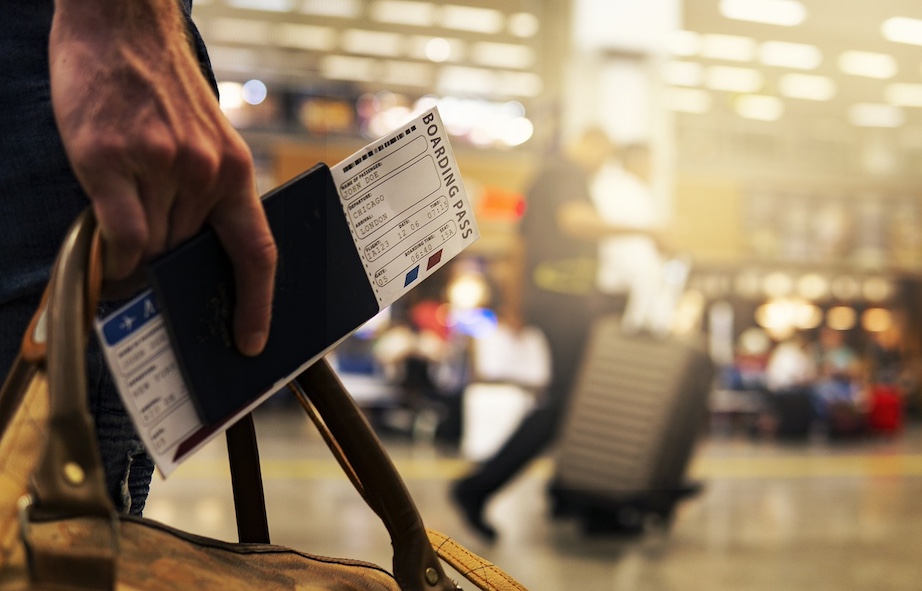
Traveling can be an exhilarating experience—until a last-minute flight change throws your plans into disarray. Whether you’re heading to an important business meeting or that long-awaited vacation, a sudden change in your itinerary can evoke frustration, anxiety, and the unsettling realization that control has slipped from your hands. But here’s the raw truth: while you can’t always prevent flight changes, you can absolutely control how you respond to them.
From understanding why flights get shifted at the last moment to knowing how to handle them like a pro, this guide will walk you through everything you need to know. We’ll blend sophisticated strategies with practical advice so that the next time your plans are disrupted, you’ll have the confidence to handle it with poise. Let’s dive into how you can turn a travel mishap into a smoother journey.
Common Reasons for Last-Minute Flight Changes
To understand how to handle last-minute flight changes, you need to know why they happen in the first place. These reasons aren’t meant to serve as excuses—they’re simply facts that can help you brace yourself mentally for the inevitability of travel disruptions.
Weather Conditions
Weather remains the number one culprit behind most flight delays or cancellations. Despite technological advancements, Mother Nature still rules the skies, and her unpredictable whims can ground planes. From snowstorms and heavy rainfall to high winds and fog, these conditions can delay or cancel flights entirely. Airlines prioritize passenger safety, and even a minor storm could disrupt air traffic significantly.
Technical Issues
Airplanes are complex machines that require constant maintenance. When something breaks or malfunctions, repairs can’t be postponed. It might feel frustrating when you hear your flight is delayed for mechanical reasons, but these are crucial for your safety. After all, no one wants to be mid-flight when a technical glitch reveals itself.
Staffing Shortages
Unexpected staff shortages, whether due to illness, personal emergencies, or other factors, can also throw a wrench in your plans. Flights can’t operate without the required crew, and sometimes it takes longer to find replacements.
Air Traffic Control Delays
Congested airports, busy airspace, or rerouting can all contribute to delays. When the skies are full, planes need to be spaced out for safety reasons, which can mean delayed takeoffs or landings.
Health and Safety Concerns
The COVID-19 pandemic brought an entirely new set of challenges to air travel. Even today, sudden public health concerns can result in last-minute changes. Quarantine measures, unexpected illness on board, or other health risks can prompt cancellations or significant delays.
Understanding these common reasons will help you empathize with the situation, and more importantly, it will set the stage for what to do next.
Immediate Actions to Take After a Flight Change
When you’re faced with a last-minute flight change, the clock starts ticking. Every moment counts, and knowing the right steps to take can prevent panic from setting in. Here’s how you can turn a disruption into a manageable situation.
Check Your Airline’s Communication
The first thing you should do is stay calm and check your airline’s communication channels. This might be via text, email, or app notifications. Most airlines provide real-time updates to keep you informed about your flight’s status, so make sure you stay connected. However, don’t stop there.
Contact the Airline ASAP
If your flight is canceled or delayed, the sooner you can get in touch with customer service, the better. Airlines often rebook passengers on the next available flight, but speaking with a representative can help you explore other options—especially if you need to change your destination or request a refund. Pro tip: Contacting the airline via social media can sometimes be quicker than waiting on hold for hours.
Explore Alternative Options
It might seem like a no-brainer, but many travelers forget to check alternative flights, even those offered by other airlines. Sometimes a different airline might have availability for the same destination, and it might even be quicker than waiting for your original carrier to rebook you. Don’t hesitate to explore nearby airports as well.
Leverage Your Travel Insurance
This is the moment when travel insurance becomes invaluable. If you’ve purchased a policy, read the fine print to see if you’re eligible for compensation. Many policies cover unexpected cancellations, and the process for filing a claim can be surprisingly simple.
Know Your Rights
Knowledge is power. In situations like these, understanding your passenger rights under regulations like EU261 (in the EU) or U.S. airline regulations can make a world of difference. Depending on your destination, you might be entitled to compensation, a refund, or rebooking on the next available flight—at no extra charge.
Proactive Tips to Minimize Stress
You can’t always prevent last-minute flight changes, but you can prepare for them. Having a proactive approach can mean the difference between stress and serenity when plans shift unexpectedly.
Enroll in Airline Loyalty Programs
Joining an airline’s loyalty program isn’t just about racking up miles. Membership can often give you access to priority boarding, faster rebooking, and even upgrades when flights get disrupted. The perks extend far beyond points—they can make the difference between a smooth rebooking and hours of waiting.
Pack Smart
The reality of last-minute flight changes is that you may end up waiting longer than expected. Keep your essential items like medications, chargers, and a change of clothes in your carry-on. This way, if your checked luggage doesn’t make it, you’ll have what you need to survive until you’re rebooked. Think of it as a small insurance policy.
Keep Documents Handy
Traveling with digital and physical copies of your tickets, passport, and visa is crucial. When you’re trying to rebook quickly, the last thing you want is to be scrambling for a boarding pass or travel document. Keep these items easily accessible to save time and frustration.
Download Airline Apps
Airline apps are your best friend when you’re facing a last-minute change. Most apps allow you to monitor flight status, check in, and even rebook on your phone. This is especially important if you’re on the delta standby list, where being first to rebook might secure you a spot on the next flight.
What to Do During Extended Delays
Sometimes, even your best efforts can’t speed up a delayed flight. But instead of pacing the airport terminal, here are some ways to make your time more productive—and comfortable.
Find Lounge Access
Many credit cards, airline memberships, and loyalty programs offer access to airport lounges. Lounges provide free Wi-Fi, snacks, comfortable seating, and often a much quieter atmosphere than the bustling terminal. Even if you don’t have access, consider paying for a day pass to make a long delay more bearable.
Make Use of Amenities
If a lounge isn’t an option, don’t forget that airports are designed to cater to travelers during long waits. Many airports now offer amenities like charging stations, quiet areas, children’s play zones, and even short-stay hotels where you can catch some much-needed rest. Explore your options, especially if the delay extends beyond a few hours.
Stay Informed
While you wait, continue to monitor your flight’s status in real-time. Apps like FlightAware or Google Flights can keep you updated and offer alternative flight options. Being one step ahead can help you rebook faster than other passengers when the time comes.
Communicate with Others
Finally, don’t forget to keep your loved ones or colleagues in the loop. If you’re facing a major delay, update them on your situation. You can also inform any hotels, car rentals, or other services affected by the change to adjust your reservations.
Conclusion
Navigating last-minute flight changes can feel like you’re facing a storm in the middle of an otherwise calm journey. But just like with any storm, there’s a way to weather it with grace and control. It’s about staying prepared, thinking on your feet, and knowing the resources available to you.
Remember, while you can’t always prevent sudden flight changes, the way you respond defines the experience. If you’re flexible, proactive, and equipped with the right knowledge, even the most frustrating travel disruptions can be handled with ease. Whether you’re on the delta standby list waiting for that next seat or sitting in an airport lounge, a calm and prepared traveler is always ahead of the game.
Travel, after all, is as much about the journey as it is about the destination. So next time the unexpected hits, take a deep breath, pull out your phone, and start navigating your way to a smooth landing.
Image by Joshua Woroniecki from Pixabay
Contributed posts are advertisements written by third parties who have paid Woman Around Town for publication.