The shoulder joint is the most complex and vulnerable joint structure of the human body. Complete shoulder mobility and explosive arm power are the basis for athletes in swimming, baseball, tennis, weightlifting, and contact sports. But this range of motion is at the expense of joint stability, meaning your shoulders are prone to impingement, rotator cuff tears and dislocations.
Shoulder pain is a common issue because working through workouts causes joint inflammation. Specialised therapy rebuilds stabilising muscle strength to get athletes back to competing safely. In this article, you will learn how focused physical therapy can get you back to full athletic motion.
Comprehensive Biomechanical Assessment of the Shoulder Complex
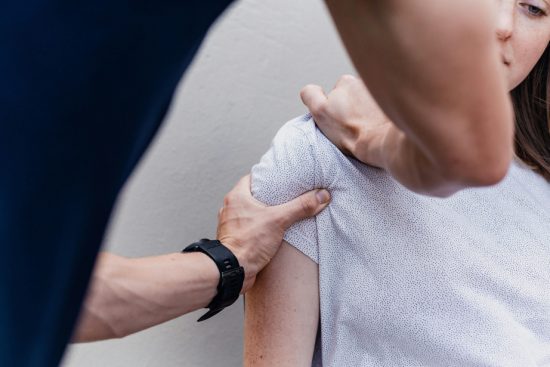
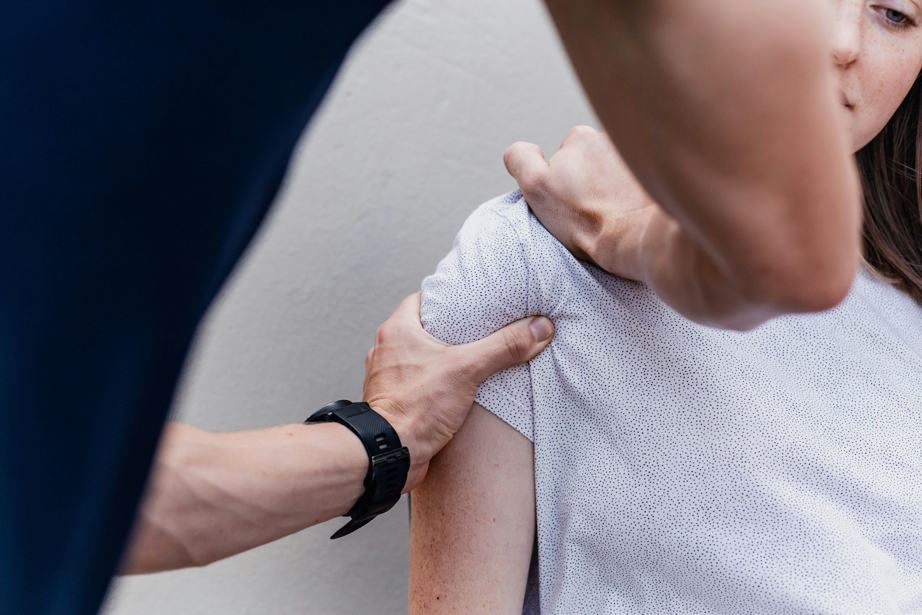
The shoulder functions because of the well-oiled interaction of the humerus bone, shoulder blade, collarbone, and the neighbouring muscle groups. Problems with shoulder blade movement can pinch the tendons around the shoulder against bone as you swing your arms overhead. Working with a shoulder physio in Fitzroy experts will assess your shoulder blade mechanics and joint capsule tightness.
Important clinical assessments in shoulder consultations:
- Shoulder Blade Assessment: Looks at the movement patterns of the shoulder blades during arm raises to identify timing deficiencies
- Rotator Cuff Strength Tests: Measure the strength of each of the rotator cuff muscles to determine if one is torn or weak
- Joint Stability Checks: Evaluate the tightness of the joint capsule and the flexibility of the ligaments to identify underlying instability
Targeted Manual Therapy to Release Joint Stiffness
Tightness of the joint capsule and thickened scar tissue formation limit the overhead reach of the arm and produce sharp pain during sports activities. Manual therapy techniques help restore normal joint gliding, taking pinching pressure off sensitive tendons and bursa tissue. Remember, therapists use gentle joint mobilisations, dry needling and soft tissue work to help you regain flexibility in the capsule.
Methods to restore shoulder mobility on your own:
- Posterior Capsule Mobilisation: This moves the arm bone back, relieving the front shoulder pinching that occurs when reaching overhead
- Rotator Cuff Soft Tissue Work: Releases tight muscle knots in the supraspinatus and infraspinatus muscle beds
- Upper Back Mobilisations: Enhances spine extension to allow arms to reach fully overhead without shoulder strain
Rebuilding Scapular and Rotator Cuff Muscle Stability
Big power muscles like the chest drive arm speed, but small rotator cuff and scapular muscles provide joint control. Weakness of the serratus anterior or rotator cuff allows the ball of the arm to slide in the socket, which means the stabilising exercises allow the scapula to glide smoothly. Re-establishment of deep joint stability protects cartilage and tendons and allows the shoulder to absorb dynamic forces.
Essential stabilisation muscle groups targeted in rehab:
- Rotator Cuff Muscles: Keep the humerus centred firmly inside the socket during fast arm movements
- Serratus Anterior: Rotates the shoulder blade upward during overhead arm reaches to open up joint space
- Lower Trapezius: Pulls the shoulder blade down and back, preventing painful shoulder-shrugging habits
Dynamic Neuromuscular Retraining and Proprioception
In sport, it is not enough to get basic muscle strength back; you need your shoulder to react instantly to fast, unpredictable movements. Proprioceptive training trains the joint nerves to fire the stabilising muscles automatically during dynamic athletic activity. Additionally, therapists include unstable surface work, band perturbations, and plyometric ball throws to challenge joint reaction speed.
Neuromuscular exercises for athletic recovery:
- Rhythmic Stabilisations: Applies unpredictable manual nudges to the arm, forcing deep stabilisers to hold alignment
- Plyometric Ball Rebounds: Throws weighted medicine balls against rebounders to train rapid deceleration control
- Bottoms-Up Kettlebell Holds: Challenges deep rotator cuff control and grip strength while moving through space
Restore Your Athletic Shoulder Power
Shoulder pain relief and optimal athletic mobility restoration require proper diagnosis, manual therapy, deep stabilisation and sport-specific training. By restoring the biomechanics of your shoulder blade and strengthening the rotator cuff, you unlock the power in your arms. Don’t let shoulder pain hold you back in your performance or stop you from the sports you love, so take control of your shoulder health.
Contributed posts are advertisements written by third parties who have paid Woman Around Town for publication.
Unsplash photo by Sincerely Media