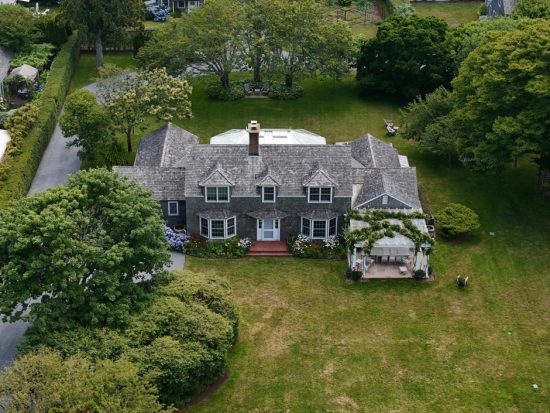
A luxury home in Antigua can win you over in seconds. The sea view, the architecture, the setting – it’s easy to picture yourself there. But once the excitement settles, more practical questions start to matter. How much will the property cost to own exactly? Is the location right for your plans? What should you know before signing?
These questions are becoming increasingly relevant as more people discover Antigua as a place to own property, not just visit. The island recorded 325,473 visitor arrivals in 2025, according to Antigua and Barbuda’s National Bureau of Statistics.
For buyers, particularly those coming from overseas, the best decisions come from looking beyond the first impression. Here are eight factors worth considering before buying a luxury property in Antigua.
8 Things to Think About Before Buying Luxury Property in Antigua
Choose the Location for More Than the View
It’s easy to fall for a house because of the view. But once you think about actually owning it, other things matter too. How far is it from the places you will visit regularly? Do you want restaurants and a marina nearby? Or is privacy higher on your list? English Harbor and Falmouth Harbor put you close to marinas, restaurants, and sailing spots, while Nonsuch Bay offers a quieter east-coast setting. Jolly Harbor, meanwhile, keeps shops, restaurants, golf, and other amenities within easy reach. Spend some time around the area before making your call. A great house is only half the deal. The location needs to work for you too.
Look Beyond the Luxury Finishes
While a beautiful kitchen can create a great first impression, a quality property is about more than its surface finish. Do not stop at the surface. Take a closer look at the roof, plumbing and electrical systems too. With Antigua’s coastal climate, these parts of a property can face considerable wear over time. Whether you are surveying a resale or vetting a new developer’s track record, ensure the quality goes far beyond aesthetics.
Understand the Rules for Foreign Buyers
Buying property in another country comes with a few extra boxes to tick. In Antigua, non-citizens generally need a Non-Citizen Land Holding License to purchase property. There are also application, stamp duty and registration requirements to consider. Speak to a local property attorney early in the process. They can explain what applies to you and make sure the legal side is handled properly.
Look at What the Property Will Really Cost You
The price on the listing isn’t the final number. When comparing Antigua homes for sale, legal fees, government charges, insurance, and licensing can add to the initial cost. Then there is everything that comes with owning the home. Pool maintenance, landscaping, and general upkeep may quickly become part of the monthly or annual budget. This matters even more with a larger luxury property. Know the full costs before making an offer. It’s better to know what you’re taking on from the start.
Decide What You Actually Want From the Property
Start with your plans, not the property. Will this be somewhere you escape to a few times a year? Are you planning to move to Antigua? Or would you like to rent the property out when you’re away? Each option changes what you should look for. A rental property, for example, may require a different location and layout from a private holiday home. Once you are clear about how you will use the property, the search becomes way more focused.
Think About the Home When You Aren’t There
It’s easy to overlook this when you’re excited about buying. If you live overseas, the property will be without you for a long time. Someone still needs to handle maintenance, check for damage after a storm, and prepare the home before you arrive. Ask what local property management services are available and what they cover. Reliable support can make owning a home abroad much easier.
Do Some Homework on the Developer or Seller
If you are purchasing a new build, look into the people behind it. Their previous projects may tell you plenty about how they approach construction and what happens after handover. If possible, visit completed properties and speak to existing owners. For a resale home, ask about renovations, maintenance and any significant repairs. You do not need to become a property expert. You simply need enough information to know what you are getting into. If an answer feels vague, ask another question.
Have Your Own Professionals Look Things Over
A good agent can simplify the search and purchase, but independent advice still matters. Have a local attorney review the legal documents and title, while a surveyor can assess the property’s condition. Depending on your situation, tax or financial advice may also help. When buying abroad, a second opinion can give you greater confidence in your decision. It can give you confidence that the decision makes sense beyond the sales pitch.
Closing Thoughts
Buying property in Antigua is a big move. The excitement of that first viewing can be hard to ignore, but give yourself time to look beyond it. Ask the practical questions, check the details, and do your homework. You’ll be glad you did.
Contributed posts are advertisements written by third parties who have paid Woman Around Town for publication.
Top Unsplash photo by Alec Brunelle