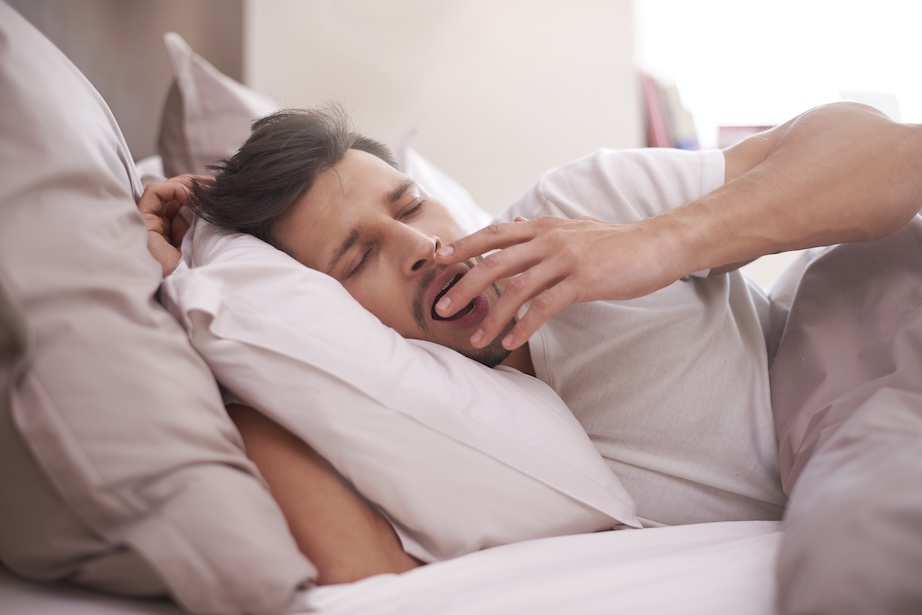
Sleep apnea disrupts breathing during rest, often for years before diagnosis. Repeated airway collapse can reduce oxygen levels, strain blood pressure control, and leave people with morning headaches, dry mouth, and poor concentration. Testing confirms whether those nighttime events are present and how serious they appear. Two standard paths exist: home assessment and laboratory monitoring. Each option answers a different clinical question, so test selection depends on symptoms, health history, and the depth of data a clinician needs.
First Step
Early evaluation typically includes snoring, witnessed pauses, daytime sleepiness, and a history of high blood pressure. For adults whose pattern strongly suggests obstructive sleep apnea, an at-home sleep apnea test can be a sensible first step. It records breathing effort, airflow, oxygen shifts, and pulse overnight. That focused information helps clinicians assess whether repeated airway obstruction is likely to disrupt rest in a familiar setting.
Comfort And Routine
Many patients sleep more naturally in their bedroom than in a monitored facility. Familiar bedding, usual room temperature, and ordinary evening habits can make the night feel less disrupted. A home setup also tends to involve fewer wires and less preparation. That matters for light sleepers, older adults, or anyone already anxious about testing. More typical rest can improve the chance that recorded breathing reflects an ordinary night.
What Home Testing Tracks
Home studies usually capture the signals most useful for detecting obstructive breathing events. Common devices measure nasal airflow, chest movement, blood oxygen saturation, pulse, and snoring vibration. Some systems also estimate body position, which can affect the severity of airway collapse. What they do not measure is just as important. Most home units cannot show brainwave activity, true sleep stages, or brief awakenings that shape how restorative the night actually was.
What Lab Testing Adds
Laboratory testing produces a broader physiologic record. Sensors track brain waves, muscle tone, eye movements, heart rhythm, airflow, respiratory effort, oxygen levels, and limb activity throughout the night. That broader view helps clinicians determine whether pauses are due to airway obstruction, unstable breathing control, or another sleep disorder. Trained staff can also quickly fix loose leads. Better signal quality often matters when sleep gets fragmented or when symptoms do not fit a simple pattern.
Accuracy By Situation
Accuracy depends more on patient selection than location. Home testing performs best when symptoms strongly fit uncomplicated obstructive sleep apnea, and other disorders seem unlikely. Laboratory monitoring becomes more useful for mixed, severe, or medically complicated conditions. Heart failure, chronic lung disease, opioid use, neuromuscular weakness, or suspected central apnea can change interpretation. In those settings, a limited study may miss important details that alter treatment decisions.
Cost And Access
Practical barriers shape care more than many clinicians would like. Home studies usually cost less, require less scheduling effort, and avoid travel to a sleep center. That lower burden can shorten delays for people balancing work, caregiving, or transportation limits. Earlier testing matters because untreated apnea may worsen blood pressure control, insulin resistance, and daytime alertness. Faster access does not replace clinical judgment, but it can move patients into care sooner.
Results And Follow-Up
Test results need a clinical context before they guide treatment. A positive home study, paired with classic symptoms, may be enough to support next steps. A negative result does not always close the case. Poor sensor contact, short recording time, or night-to-night variation can blur the picture. If fatigue, choking awakenings, or loud snoring persist, clinicians often recommend laboratory testing to gather more comprehensive evidence before ruling out apnea.
Who Needs Extra Review
Some groups deserve fuller monitoring from the start. Children, patients with severe insomnia, people with unusual nighttime behaviors, and those with suspected seizures need a broader assessment than most home systems provide. The same is true when it involves movement disorders or possible central breathing instability. Laboratory care also helps if treatment settings require adjustments during the study itself. Real-time supervision gives clinicians more room to respond safely.
Conclusion
Both study types have clear value, but they are not interchangeable in every case. Home testing offers convenience, lower cost, and useful data for adults at high risk for obstructive sleep apnea. Laboratory evaluation provides deeper physiologic detail and a safer fit for complex symptoms or added medical risk. The strongest plan matches the test to the patient’s presentation. That careful pairing improves diagnostic confidence and supports more precise treatment decisions.
Image by gpointstudio on Magnific
Contributed posts are advertisements written by third parties who have paid Woman Around Town for publication.