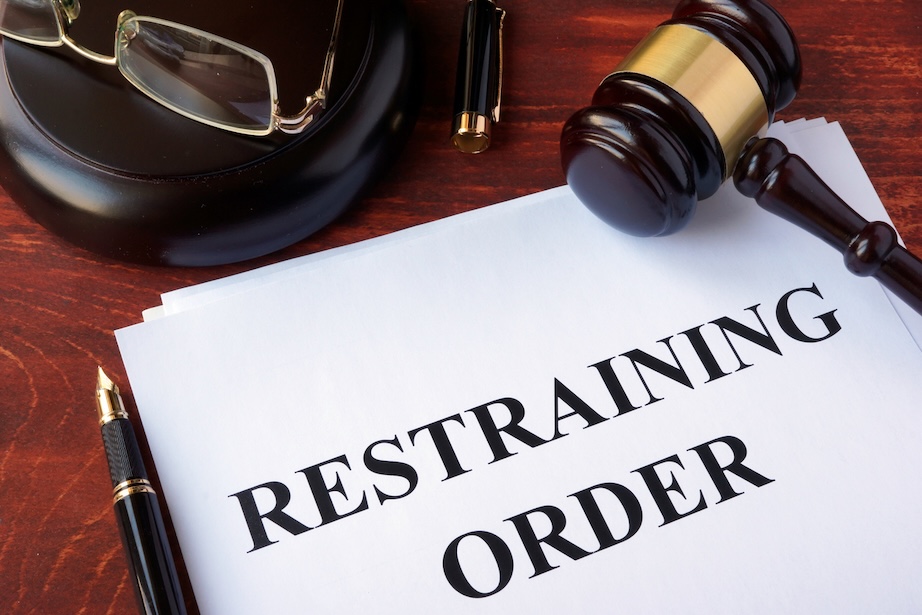
Domestic violence charges in Texas can lead to long-term damage to your personal and professional life. Even so, being accused does not take away your constitutional rights, and understanding those rights early can make a major difference in your case.
Texas handles thousands of family violence cases every year. Major cities like Houston, Dallas, and San Antonio have busy criminal courts that move quickly once charges are filed. Texas law also allows arrests in some domestic violence situations even if the alleged victim later changes their story.
That’s why, working with a skilled attorney for domestic violence charges in Texas can help protect your rights, record, and future.
What Counts as Domestic Violence in Texas?
Under Texas law, domestic violence includes acts or threats of violence involving family members, household members, spouses, dating partners, or former partners. Physical injury is not always required. In some cases, even threats or offensive physical contact may lead to criminal charges.
Texas Penal Code § 22.01 covers assault-related domestic violence offenses. Charges may involve:
- Hitting, pushing, or causing bodily injury
- Threatening someone with immediate harm
- Physical contact considered offensive or aggressive
- Violence involving dating relationships or household members
Your Constitutional Rights Still Apply
Even after an arrest, you still have important protections under U.S. law.
1. Sixth Amendment Rights
The Sixth Amendment gives you the right to legal counsel, a fair trial, and the ability to challenge witnesses against you. If you cannot afford a lawyer, the court may appoint a public defender.
2. Fifth Amendment Rights
The Fifth Amendment protects your right to remain silent. You are not required to explain yourself to police investigators, prosecutors, or officers. Anything you say can later be used against you in court.
Possible Penalties in Texas
Domestic violence charges range from misdemeanors to serious felonies depending on the allegations and prior record.
- Class A misdemeanor: Up to 1 year in jail and fines
- Third-degree felony: 2–10 years in prison for repeat offenses
- Aggravated assault charges: Up to 20 years or more if serious injuries or weapons are involved
A conviction may also affect child custody, employment opportunities, immigration status, and firearm ownership under federal law.
Common Defenses Used in Domestic Violence Cases
Every case is different, but common legal defenses may include:
- Self-defense
- False accusations
- Lack of evidence
- No actual bodily injury
- Mistaken identity
The prosecution must still prove guilt beyond a reasonable doubt.
What To Do If You Are Accused
Taking the wrong steps early can seriously hurt your defense. Important actions include:
- Stay silent until your lawyer is present.
- Avoid contacting the accuser.
- Save texts, emails, or other evidence.
- Follow all court or protective order rules.
- Hire a defense attorney immediately.
Key Takeaways
- Domestic violence charges carry serious long-term consequences.
- You still have constitutional rights after an accusation.
- Texas law covers threats as well as physical violence.
- Never speak to police without legal representation.
- Protective order violations can create additional charges.
- Evidence like texts and witness statements may help your defense.
- Early legal advice can strongly impact the outcome of a case.
Photo credit: designer491 at iStock by Getty Images
Contributed posts are advertisements written by third parties who have paid Woman Around Town for publication.