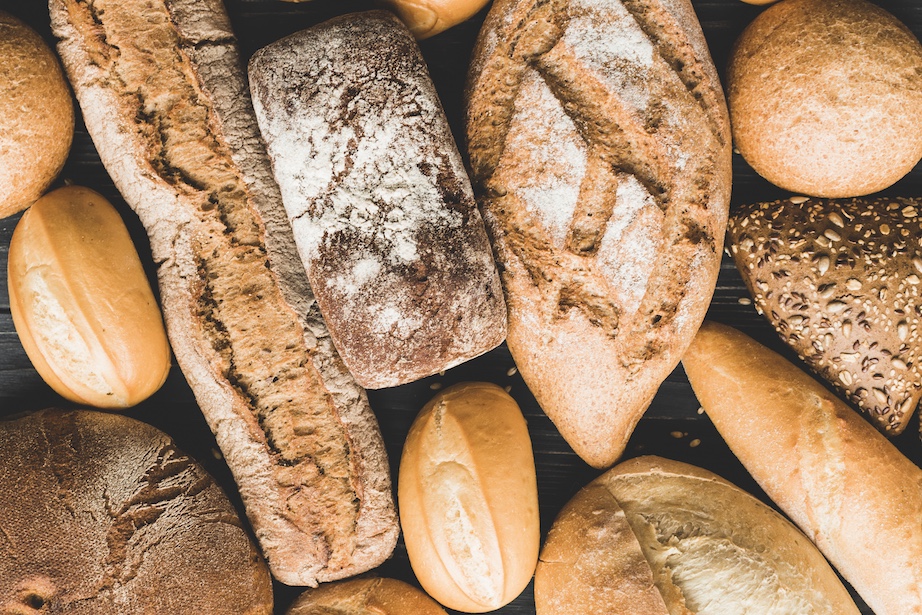
From whole-wheat and sprouted breads to ketogenic and protein-enriched options, choosing the best healthy breads can seem like a daunting task.
Loved by many and avoided by others, bread is undoubtedly a staple in many American households. Today, however, supermarket shelves offer a wide range of options. From whole grain and sprouted varieties to keto-friendly and protein-enriched choices, selecting the best healthy breads can feel overwhelming.
According to nutrition experts, choosing the right bread should go beyond buzzwords and marketing claims. Instead, shoppers should focus on objective nutritional criteria. Here’s what to look for when buying quality bread for your breakfast.
Fiber, protein, sugar, and sodium
When evaluating bread on supermarket shelves, nutrition professionals recommend starting with the Nutrition Facts label and the ingredient list. In particular, four key factors should be considered:
Fiber
Look for at least 3 grams of fiber per slice, or 6 grams per serving if two slices are considered a serving. Higher fiber content supports digestive health, promotes fullness, and helps stabilize blood sugar levels.
Protein
Aim for 4 to 6 grams of protein per slice, especially if bread is a main component of your meal. Protein helps balance carbohydrate intake and can increase satiety.
Sugar
Some packaged breads contain added sugars to enhance flavor and texture. Ideally, choose options with no more than 2 to 3 grams of added sugar per slice.
Sodium
Bread can be a hidden source of sodium. Nutritionists recommend selecting products with no more than 150 to 200 milligrams of sodium per slice, particularly for individuals monitoring their blood pressure.
In addition, the first ingredient should clearly state a whole grain, such as “100% whole wheat flour,” rather than “enriched wheat flour.”
Options for specific diets: low-carb, plant-based, and high-protein
Different dietary needs call for different bread choices. In this case, it’s important to consider:
Low-carb diets
Low-carb breads often use modified wheat starch, fiber blends, or seed-based flours to reduce net carbohydrates. However, it’s still essential to check sodium levels and ingredient quality, as some options are highly processed.
Plant-based diets
Most traditional breads are naturally plant-based (especially wheat-based), but individuals following vegan diets should check for added ingredients such as honey, dairy, or eggs. Sprouted grain and seed-based breads are excellent choices for this dietary pattern.
High-protein preferences
Protein-enriched breads may include added wheat gluten, pea protein, or soy protein. These options can be ideal for those looking to increase protein intake, but they should complement, not replace, other whole-food protein sources, such as eggs and chicken, for example.
Artisan vs. industrial bread: what’s the difference?
When choosing bread, it’s also worth considering this distinction. Artisan breads are typically made with fewer ingredients and may rely on longer fermentation processes, such as natural sourdough fermentation. This slower process can improve flavor and, in some cases, digestibility.
Industrial breads, on the other hand, are mass-produced to ensure consistency and longer shelf life. They often contain preservatives, dough conditioners, and added sugars to maintain texture and freshness.
Still, “artisan” does not automatically mean healthier. Some bakery-style breads are made with refined white flour and contain minimal fiber. Conversely, some packaged industrial breads are formulated with 100% whole grains and offer strong nutritional profiles.
Ultimately, the healthiest choice depends more on ingredient quality and overall nutrient composition than on the production method alone.
Contributed posts are advertisements written by third parties who have paid Woman Around Town for publication.