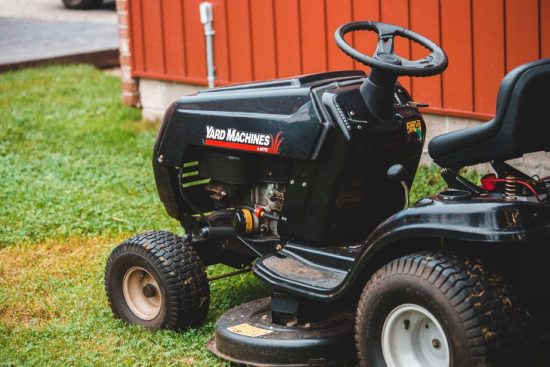
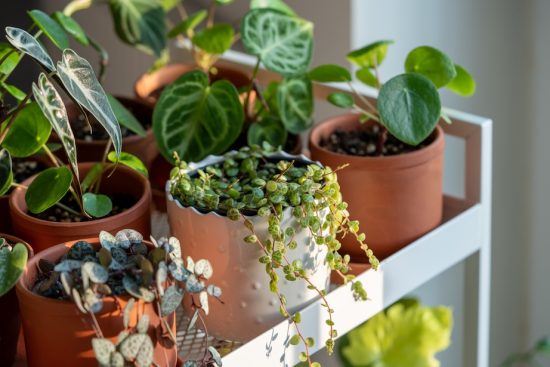
A healthy yard does more than make a home look finished. Trees provide shade and character, while a well-maintained lawn makes outdoor areas easier to enjoy and can shape the overall impression of a property. In Franklin, Tennessee, where the population reached an estimated 90,226 in 2025—about 8% higher than the 2020 estimate base—continued residential growth makes outdoor upkeep an increasingly visible part of homeownership. The challenge is knowing when ordinary maintenance is enough and when a problem has reached the point where professional attention makes more sense.
Trees Often Show Trouble Before Something Breaks
Trees can develop problems gradually, which means homeowners often have time to respond before a damaged limb or weakened trunk becomes an immediate hazard.
Dead branches, cracks, cavities, peeling bark, fungal growth, or sections of the canopy that suddenly appear thin can all deserve a closer look. A noticeable lean that was not there before may be particularly important, especially when accompanied by disturbed soil or exposed roots.
Storms can reveal weaknesses too. Strong wind and saturated ground place additional stress on root systems and branches, even when a tree still looks relatively healthy afterward.
If problems have moved beyond ordinary trimming, GLS Lawn & Tree in Franklin, TN handles services such as tree trimming, tree removal, stump grinding, and general outdoor maintenance.
The important thing is not to wait until a visible problem becomes an emergency. Early attention can provide more options and may make the eventual work simpler.
A Struggling Lawn Usually Has an Underlying Cause
Thin grass and uneven growth are easy to dismiss as cosmetic problems, but lawns often reveal what is happening beneath the surface.
Compacted soil can restrict root development. Poor drainage may leave certain areas consistently wet, while inadequate irrigation can create dry patches. Weeds sometimes become established where grass is already weak rather than being the original cause of the problem.
Even mowing practices matter. Cutting grass too short or using dull mower blades can place unnecessary stress on the lawn and leave it looking uneven.
Instead of repeatedly treating the visible symptom, pay attention to where problems occur and how they change over time. If the same section remains thin despite regular watering and mowing, there may be a soil, drainage, sunlight, or pest issue that routine maintenance is not addressing.
Understanding the cause is usually more valuable than applying another quick treatment and hoping the lawn responds.
Good Timing Can Prevent a Lot of Repair Work
Yard maintenance becomes easier when it follows plant growth instead of reacting only after something looks bad.
Grass has different needs throughout the year, and the right time for seeding, aerating, fertilizing, or treating weeds can depend on the type of grass and its active growing season. Trees also respond differently to pruning depending on species, condition, and the reason work is being performed.
Following a seasonal lawn maintenance schedule can help organize tasks around periods when grass is actively growing, recovering from weather stress, or preparing for the next season.
That does not mean every yard needs an elaborate calendar. The goal is simply to stop relying on appearance alone.
A lawn may benefit from attention before severe thinning develops, just as a tree may need corrective pruning before a weak branch becomes a larger structural concern. Preventive care is generally easier than trying to rescue an outdoor space after several problems have accumulated.
Some Yard Problems Are Really Safety Problems
A branch does not need to fall before it becomes worth investigating.
Large dead limbs above driveways, roofs, walkways, play areas, or neighboring property can create obvious concerns. Less visible problems may include cracks where major branches join the trunk, decay inside cavities, or roots that are beginning to affect paved surfaces.
Tree removal becomes particularly risky when large branches, power lines, nearby structures, or significant height are involved. Even seemingly straightforward tree removal work can require specialized equipment and training because controlling how heavy sections fall is essential to protecting people and property.
Homeowners can usually handle light pruning from the ground with appropriate tools. Climbing into a tree with cutting equipment is a very different situation.
Knowing where DIY work should stop is part of maintaining a yard responsibly, not a failure to handle basic home maintenance yourself.
Curb Appeal Can Reveal the Condition of the Property
Outdoor appearance influences how people perceive the rest of a home.
Healthy trees, defined lawn edges, consistent grass coverage, and maintained planting areas make a property feel cared for before anyone reaches the front door. Dead limbs, neglected stumps, overgrown shrubs, and large bare patches can create the opposite impression.
That matters whether you are preparing to sell or simply want the home to feel more inviting.
Curb appeal does not require turning the yard into a professionally designed showpiece. Consistency matters more than perfection. Keeping trees structurally sound, controlling excessive growth, and addressing lawn problems before they spread can produce a much stronger overall effect than adding expensive decorative features to an unhealthy landscape.
A mature tree can be a major visual asset when it is healthy. The same tree can become an obvious liability when decay or damage goes unattended.
Drainage Problems Deserve More Attention Than They Get
Water that repeatedly collects in the same part of the yard should not automatically be accepted as normal after heavy rain.
Persistent soggy areas can weaken grass, encourage fungal problems, expose roots to unhealthy conditions, and contribute to soil erosion. Water moving toward structures or repeatedly washing soil away can create more serious concerns over time.
Look for patterns after rain.
Does one section stay wet much longer than the rest? Is soil disappearing around roots? Are certain areas becoming muddy even when nearby grass has already dried?
Those patterns can help reveal whether the problem involves grading, compacted soil, drainage, or excessive irrigation.
Simply adding seed to a wet bare patch usually will not solve the problem if the underlying conditions remain unchanged. Correcting why the grass failed gives the replacement growth a much better chance of surviving.
Professional Help Makes Sense When Problems Start Repeating
One difficult mowing session does not mean a lawn needs professional care. A small dead branch does not automatically require major tree work either.
Patterns matter more.
Repeated bare patches, ongoing weed pressure, recurring drainage problems, branches dying in several parts of a tree, or maintenance demands that continually exceed the homeowner’s available time can all signal that a different approach is needed.
Professional evaluation can also help separate urgent issues from cosmetic ones. A homeowner may worry about something that is harmless while overlooking a less obvious problem that deserves attention.
The value of experienced help is not simply having someone perform physical work. It is having someone identify why the problem is occurring and what level of response is actually appropriate.
Choose Yard Care Based on Clear Explanations
A good yard-care provider should be able to explain what they see and why they are recommending particular work.
If a tree needs pruning, you should understand which branches are causing concern. If the lawn requires treatment, the explanation should go beyond simply saying that it needs fertilizer.
Ask how cleanup is handled, whether recurring maintenance is necessary, and what can reasonably be managed yourself between visits.
Clear explanations are especially important when major tree work is involved because different problems can require very different solutions. Removal should not automatically be the answer when selective pruning or monitoring is enough.
The goal should be an outdoor space that becomes easier to maintain over time rather than one that constantly requires emergency attention.
A Healthy Yard Is Easier to Maintain Than to Rescue
The best time to deal with many outdoor problems is before they become impossible to ignore.
Dead branches, thinning grass, recurring weeds, standing water, exposed roots, and unusual tree movement can all provide early clues that something needs attention. Acting on those signs gives you more control over the solution.
Professional care does not necessarily mean turning every outdoor task over to someone else. Routine mowing, watering, edging, and simple pruning may remain perfectly reasonable DIY jobs.
What matters is recognizing when the scale, safety risk, or underlying cause has moved beyond ordinary maintenance.
A yard should add to the enjoyment of a home rather than become a cycle of emergency repairs. Paying attention to early warning signs makes that much easier to achieve.
Photo by Erik Mclean on Pexels.com
Contributed posts are advertisements written by third parties who have paid Woman Around Town for publication.