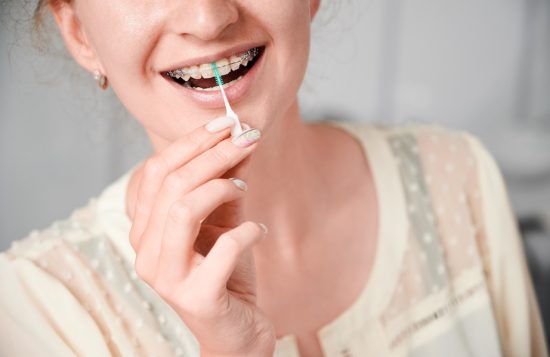
Your mouth is not an island. Every time you skip brushing, ignore bleeding gums, or push back a dental checkup, you’re not just risking a cavity. You’re potentially setting off a chain reaction that touches your heart, your lungs, your blood sugar, and beyond. The mouth-body connection is one of the most underappreciated topics in everyday health, and once you understand it, booking that next dental appointment feels a lot less like a chore.
Here are eight concrete ways your oral health shapes your overall wellbeing, plus what you can actually do about each one.
1. Gum Disease Is Linked to Heart Disease
This one surprises a lot of people. Some research suggests that heart disease, clogged arteries, and stroke might be linked to the inflammation and infections that oral bacteria can cause, and oral germs are tied to a severe form of gum disease called periodontitis.
Bacterial and inflammatory mediators spreading from the oral cavity into the bloodstream can induce endothelial dysfunction, inflammation, oxidative stress, and atherosclerotic plaque formation, which may increase the risk of heart failure, cardiovascular disease, and stroke. That’s a serious downstream effect from something as manageable as gum disease.
The practical takeaway? Treat red, swollen, or bleeding gums as an early warning signal, not a cosmetic annoyance. Floss daily, brush properly along the gum line, and get a professional cleaning at least twice a year.
2. Poor Oral Health Complicates Diabetes Management
The relationship between your teeth and your blood sugar runs both ways. Gum disease seems to happen more often and be more serious in people who have diabetes, and research shows that people with gum disease have a harder time controlling their blood sugar levels. Regular dental care can improve diabetes control.
Controlling gingival inflammation and periodontal disease is more difficult in people with uncontrolled or poorly controlled diabetes, and there is evidence that those presenting with oral inflammatory diseases are at higher risk for developing diabetes and more difficulty with glucose control. If you’re managing diabetes, your dentist is genuinely part of your care team.
3. Oral Bacteria Can Reach Your Lungs
Your lungs and your mouth are closer than you think anatomically. Certain bacteria in the mouth can travel into the lungs, and this may cause pneumonia and other respiratory diseases. For older adults, people with compromised immune systems, or anyone already dealing with a respiratory condition, this connection is especially worth paying attention to.
Good daily oral hygiene, consistent dental visits, and staying on top of any signs of infection all help reduce the bacterial load in your mouth and, by extension, the risk of it spreading downward.
4. Dental Anxiety Keeps People Away From Preventive Care
One of the biggest barriers to good oral health has nothing to do with brushing technique. Dental anxiety is the unease, apprehension, stress, and fear some people experience when they think about or go to dental offices, and between 50% and 80% of U.S. adults feel some degree of anxiety about visiting the dentist. For some, that anxiety rises so high it becomes dental phobia.
Avoiding the dentist because of fear creates a cycle where small problems grow into large ones. Dental anxiety is fear or stress associated with a dental setting, and being scared to visit the dentist can result in delaying or avoiding dental treatment. That delay is where real damage happens.
The good news is that modern dental offices are designed with anxious patients in mind. While a person with dental anxiety might be uncomfortable going to the dentist, simply sharing your fears with your provider allows them to work with you to determine the best ways to make you less anxious and more comfortable. Practices that focus on comforting, patient-centered care, like a dental clinic maple ridge that builds individualized treatment plans around each person, make a genuine difference for patients who dread the chair.
Tell your dentist about your anxiety when you book your appointment. Remind the dental staff when you arrive, share any bad experiences you’ve had in the past, and ask for suggestions on coping strategies. You can also agree on a signal, like raising your hand, so your dentist knows when you need to take a break during an exam.
5. Gum Disease Is Associated With Pregnancy Complications
Pregnancy and birth complications are on the list of conditions tied to oral health. Gum disease called periodontitis has been linked to premature birth and low birth weight. This makes prenatal dental care a health priority, not an optional luxury.
If you’re pregnant or planning to become pregnant, let your dentist know. A cleaning and checkup during pregnancy is safe and recommended. Hormonal changes during pregnancy can also make gums more sensitive and prone to inflammation, so keeping up with oral hygiene is particularly important during this time.
6. The Mouth-Body Connection Extends to Chronic Disease Risk
Significant associations between oral health status and a number of systemic diseases have been established, including cardiovascular diseases, Alzheimer’s disease and dementia, obesity, diabetes and metabolic disorders, rheumatoid arthritis, and several cancers.
The oral cavity serves as a critical indicator of overall health and is inextricably linked to chronic disorders. Neglecting oral health can worsen localized pathologies and accelerate the progression of chronic conditions, whereas effective management has the potential to reduce their incidence and mortality.
You can read more about the connection between oral health and chronic disease through resources like the American Dental Association’s overview of oral-systemic health, which pulls together the broader research landscape in one place.
7. Tooth Loss Has Measurable Health Consequences
Tooth loss is often treated as an inevitable part of aging, but it carries real health implications beyond appearance and chewing comfort. Poor oral health is a well-established independent risk factor for multiple health conditions, including several forms of cardiovascular disease. And tooth loss is perhaps the clearest oral health-related correlate of heart failure.
Preventing tooth loss starts with the basics: brushing twice a day with fluoride toothpaste, flossing at least once daily, limiting sugary foods and acidic drinks, and catching cavities and gum disease early through regular checkups. If you’ve already lost teeth, speak with your dentist about restorative options like implants or bridges. Leaving gaps untreated affects bite, bone density, and adjacent teeth over time.
The Mayo Clinic’s overview of oral health and overall health is a useful reference if you want to explore the full scope of these connections.
8. Regular Dental Checkups Are Preventive Healthcare, Full Stop
Most people think of dental appointments as reactive, something you do when a tooth hurts or a filling falls out. But consistent visits are one of the most cost-effective forms of preventive care you can practice.
Your dentist can spot early signs of oral cancer, catch cavities before they require root canals, identify gum disease in its earliest stages, and flag patterns that might indicate systemic health issues. Visiting your dentist every six months means there are fewer unknowns, fewer surprises, and the process starts to feel routine rather than daunting.
A significant body of evidence suggests that oral health diseases are linked to higher rates of mortality from the four most prevalent non-communicable diseases, including cardiovascular diseases, cancer, diabetes, and chronic respiratory diseases. Putting it bluntly: skipping dental care isn’t just about your teeth. You can learn more about how gum disease and heart health are connected through Harvard Health’s research summary on gum disease and heart disease.
Your twice-yearly cleaning is doing more heavy lifting than you might realize. Schedule it, show up for it, and treat it the same way you’d treat a blood pressure check or a cholesterol screening.
Simple Habits That Protect Both Your Mouth and Your Body
Before wrapping up, here’s a quick reference of daily habits that pay dividends far beyond your smile:
| Habit | Oral Benefit | Systemic Benefit |
| Brush twice daily with fluoride toothpaste | Reduces plaque and cavities | Lowers bacterial load entering the bloodstream |
| Floss once daily | Removes food and bacteria between teeth | Reduces gum inflammation linked to heart and metabolic risk |
| Drink water, limit sugary drinks | Prevents enamel erosion and decay | Supports better blood sugar management |
| Quit smoking | Reduces gum disease and oral cancer risk | Improves cardiovascular and lung health |
| Attend checkups every 6 months | Early detection of cavities and gum disease | Enables early identification of systemic health markers |
The Bottom Line
Your oral health is a mirror for the rest of your body. The bacteria, inflammation, and disease that start in your mouth don’t stay there. They travel, they interact with existing conditions, and they compound over time when ignored. The mouth-body connection is backed by a substantial and growing body of research, and the response to that research is genuinely straightforward: brush, floss, eat thoughtfully, manage dental anxiety proactively, and show up for your regular checkups.
You don’t need a complex plan. You need consistent, informed habits and a dental team you trust. That combination does more for your long-term health than most people expect from a dentist visit.
Image by wayhomestudio on Magnific
Contributed posts are advertisements written by third parties who have paid Woman Around Town for publication.