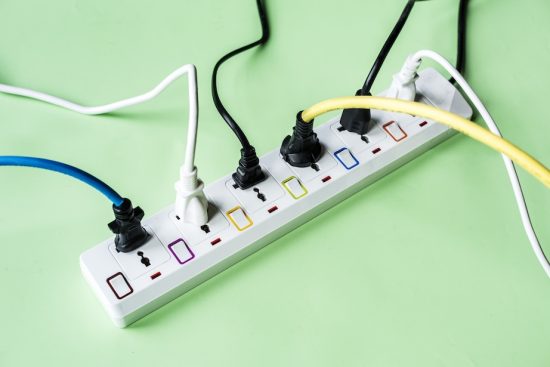
A workspace has multiple devices in operation frequently. Electricity may be required by computers, power tools, printers and other equipment that are not necessarily in the vicinity.
This may cause a mess of wires, overloading of connections and hanging cords along walkways. Such issues may heighten the chances of electric shocks, overheating, equipment damage, and tripping.
Nevertheless, the appropriate extension cord can assist you in dealing with these risks. You need to consider more than its length or plug type. Workplace safety is also influenced by its wire gauge, electrical capacity, insulation and intended usage. The right cord is the correct cord, and by using it correctly, you can keep a safer and more rational workspace.
Let’s explore five ways the right extension cord can improve electrical safety at work.
1. Reduce Electrical Hazards with Proper Cord Selection
The initial move towards a safer workplace is to choose an extension cord that is appropriate to your equipment and working conditions. Not all cords are made to support the same electrical requirements. To illustrate, a cable used in a small office might not fit a heavy-duty power tool or an industrial machine.
Check the voltage, amperage, and wattage rating of the one before buying it. These specifications assist you in identifying whether it is safe to support the equipment connected. Also, ensure that the plug and receptacle fit your devices. An improper or unsuitable connection may lead to overheating and electrical hazards.
Also, select a cord that has robust insulation and connectors with a good shape. These features are used to safeguard inner wires and minimize the probability of unintentional contact with electrical parts.
2. Match Wire Gauge and Capacity to Equipment Requirements
Wire gauge plays an important role in how safely an extension cord carries electricity. It refers to the thickness of the wire inside the cord. In the American Wire Gauge (AWG) system, a lower number indicates a thicker wire. Thicker wires generally handle higher electrical loads with less resistance.
For instance, a 12-gauge cord is generally more suitable for demanding equipment than a thinner 16-gauge cord, provided its electrical rating matches the application. Therefore, check your equipment’s power requirements before selecting a cord.
You should also consider the total electrical load when connecting multiple devices. Adding several appliances to one cord can exceed its rated capacity. This may cause excessive heat, damage insulation, or create a fire hazard.
Always check the manufacturer’s ratings and avoid connecting equipment that draws more power than the cord can safely handle.
3. Choose Indoor or Outdoor Cords Based on Workspace Conditions
Your workspace environment also affects which extension cord you should use. Indoor and outdoor cords have different insulation and construction features. Using the wrong type can expose the cable to conditions it was not designed to handle.
For example, indoor cords are suitable for dry office spaces, workshops, and other protected areas. However, outdoor workspaces may involve moisture, sunlight, temperature changes, and rough surfaces. In these conditions, choose a cord specifically rated for outdoor use.
Look for the appropriate jacket markings on the cord. For example, SJTW cords have a thermoplastic jacket and are designed for certain hard-service indoor and outdoor applications. However, always check the manufacturer’s specifications for the exact environmental rating.
If your work involves wet areas, consider suitable ground-fault circuit interrupter (GFCI) protection. It can help reduce the risk of electric shock by interrupting power when a ground fault occurs.
4. Prevent Tripping Hazards Through Proper Cord Placement
A suitable cord can still create safety problems if you place it carelessly. Cables stretched across walkways, doorways, and busy work areas can cause employees to trip. They may also get pulled, crushed, or damaged by moving equipment.
Therefore, plan the cord’s route before connecting your devices. Keep it along walls or designated cable paths whenever possible. You can also use appropriate cable covers or cord protectors in areas where people regularly walk.
Avoid running cords under carpets, rugs, or heavy furniture. These objects can trap heat, damage insulation, and make it difficult to notice wear. Similarly, never leave cords stretched tightly or positioned where doors and equipment can pinch them.
After arranging your cables, check that they do not obstruct emergency exits or access to essential equipment. This simple step helps maintain a safer and more organized workspace.
5. Protect Connected Equipment with Suitable Cord Features
Certain extension cord features can make everyday workspace operations safer and more convenient. However, you should select them according to your equipment and working conditions rather than choosing a cord based on appearance alone.
For example, lighted plugs or receptacles indicate when power is available. This feature helps you check the connection status without repeatedly unplugging equipment. Similarly, right-angle plugs can fit into tight spaces and reduce pressure on connections behind desks or machinery.
For demanding applications, heavy-duty cords with suitable insulation and molded connectors can provide better protection against everyday wear. You can also consider cords with GFCI protection when the working environment requires it.
Additionally, inspect cords regularly for cuts, exposed wires, loose connections, and damaged plugs. Replace damaged cords instead of covering them with tape. These checks help you identify potential problems before they lead to electrical accidents.
Conclusion
Choosing the right extension cord involves more than finding one that reaches your nearest outlet. You also need to consider its wire gauge, electrical capacity, insulation, and suitability for your working environment.
These factors can help reduce electrical hazards, prevent equipment damage, and keep walkways clear. Additionally, regular inspections and proper cable placement help you identify potential problems early.
By paying attention to these details, you can create a safer and more organized workspace. Make cord selection part of your workplace safety practices to protect both your equipment and the people using it.
Image by rawpixel.com on Magnific
Contributed posts are advertisements written by third parties who have paid Woman Around Town for publication.