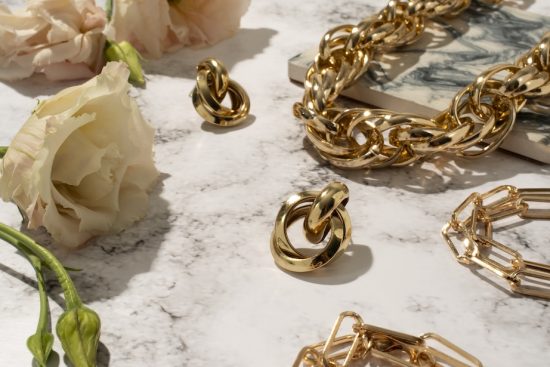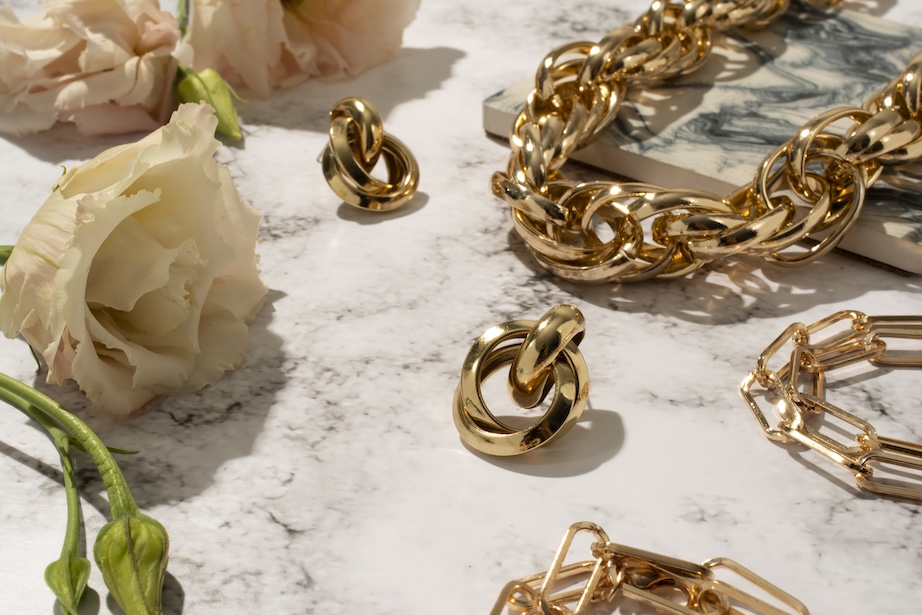
The necklace you would wear this morning is somewhere beneath three tangled chains. A pair of earrings you once loved is still in its original box. At the back of a drawer sits a gold bangle that looked wonderful with an outfit you no longer own. There is plenty of jewelry here. Finding something to wear is another matter.
A refresh begins by looking at those pieces with your current wardrobe in mind. Some will go straight back into use; others may need a small adjustment or a professional assessment. If you decide to sell gold, Golden Anvil Jewelers in Jupiter, Florida, offers a free evaluation with no obligation to sell. An evaluation can help you consider that option alongside keeping or restyling a piece.
Start with what happens between opening the drawer and leaving the house. Which pieces make getting dressed easier? Which keep being put back? The answers can tell you more about your collection than another afternoon spent browsing for something new.
Start with an outfit, then open the jewelry box
Jewelry can look persuasive in isolation. A broad gold bracelet has presence on a tray; a fine chain looks delicate against a dark lining. The more useful test happens with the clothes, shoes, and bag you would actually leave home wearing.
Choose a familiar outfit rather than assembling an imaginary lifestyle around a piece. A shirt you wear to work, a favorite knit, or the dress you reach for when dinner plans arrive at short notice will give you somewhere practical to begin.
Now introduce one item. Notice its position, its movement, and whether you keep adjusting it. A pendant might sit neatly with one neckline and disappear awkwardly into another. Earrings may look quite different with your hair tucked back. A bangle that feels comfortable for a standing event might become distracting when you are typing.
These observations are personal. You are finding out what works for you, rather than checking your collection against a rule about what every woman should own.
Try the same piece with a second outfit before deciding. A chain that feels too formal with a tailored dress may bring the right amount of detail to a plain shirt. A small pair of hoops can look almost invisible beside a busy print and more noticeable with a simple neckline.
Then take the jewelry off and look again. What did it add? Sometimes the answer is a point of light near your face, a little movement, or a familiar shape that makes the outfit feel finished. Sometimes it added something you do not want that day. Both answers are useful.
Woman Around Town’s discussion of flexible jewelry styling explores the appeal of pieces that adapt to different occasions. You can investigate that flexibility within a collection you already own, before deciding that a gap requires another purchase.
Recognize the pieces that already do their job
Imagine placing four items on a cloth: a plain chain, small hoops, a substantial bangle, and a vintage ring. Each raises a different question. The chain may be easy to combine with clothes. The hoops may have become a habit. The bangle may need a different occasion, while the ring deserves a closer look before anything changes.
A piece earns its place in more than one way. It can be comfortable and frequently worn, distinctive enough to anchor an outfit, or simply something you enjoy owning. You do not need to reduce every decision to the number of times it appears in photographs.
Still, repeated use is worth noticing. Look at the items you wore last week and ask what made them easy to choose. Perhaps the fastening is straightforward, the scale suits you, or the piece works with several necklines. Those details describe your preferences more accurately than a broad label such as “classic” or “minimalist.”
The jewelry you keep putting back can be just as informative. Is the problem a broken part, an uncomfortable fit, or a design you have stopped enjoying? An answer like “the pendant always catches on this top” gives you something to test. “I ought to like it” leaves you with very little to work on.
Give the pieces that work a visible, convenient place. If your favorite earrings are buried beneath things you rarely wear, the arrangement is working against your habits.
There is also room for an occasional piece. A bold bangle may be exactly what you want for a few evenings each year. Keeping it because you enjoy those occasions is a clear choice. Keeping it because you have never paused to consider it is a different situation, and one you can investigate without rushing to discard it.
Try a new role before committing to a new design
Restyling can begin with the simplest question: what could this piece do with the clothes and jewelry already beside it? Before discussing a permanent alteration, explore changes that leave the object intact.
A chain is a good place to experiment. Wear it alone against a plain top. Try it with an open shirt collar. If you already own a second necklace that sits at a different point, see whether the two work together without tangling or obscuring the detail you like.
Pay attention to the result rather than the fact that you have layered something. Two pieces can compete for the same space. One can also make the other feel more deliberate. You will learn more by trying a few combinations than by assuming that an extra layer always improves an outfit.
A matching set offers another opportunity. Wear the earrings on their own for a day, then try the necklace without the earrings. Separating the pieces may reveal combinations that were easy to overlook when the set stayed in one box.
The substantial bangle might work beside a different sleeve length. The vintage ring could become the main detail in an otherwise restrained outfit. A small pendant might suit a chain you already own, provided the components are compatible and in suitable condition. If you are unsure about an attachment, fastening, or weight, ask a jeweler before combining them.
For an unmatched earring, consider whether you would actually enjoy an asymmetric look before commissioning a replacement or conversion. The idea may appeal in a photograph and feel awkward when you wear it. You can explore the look without deciding that every single earring needs to become something else.
When styling experiments reveal a specific obstacle, take that information to a professional. “I like this pendant, but I would wear it more if it sat higher” is a clearer request than “make it modern.” The jeweler can explain whether an adjustment is feasible, what it would change, and what it would cost.
For a more substantial redesign, establish which original details matter. You may want to retain an engraving, a particular stone, or the actual metal. Ask which parts can genuinely be reused, which would need replacing, and what would happen to anything removed.
Review the proposed design and estimate before authorizing work that would permanently alter the original. A successful consultation may lead to a new piece, a small repair, or the decision to leave things as they are.
Look closely before calling anything scrap
A drawer does not distinguish between a broken chain, a collectible object, and a piece with an unfamiliar material description. They may all have been put away for the same reason: you were not sure what to do with them.
Bring that uncertainty into the open before you assign a category. Find any receipts or earlier reports, photograph the piece, and look for marks that an evaluator may be able to explain. Record the complete wording rather than selecting the one number you recognize.
Karat describes the proportion of gold in an alloy. An 18K description means 18 parts gold out of 24. Gold-plated and gold-filled products have a gold layer over another material, while vermeil uses a sterling-silver base with a gold coating. The FTC’s guide to precious-metal jewelry explains these distinctions.
The useful next question is what those descriptions mean for your actual object. A color, a photograph, or a partly worn mark should not become a confident conclusion about the entire piece. Ask an evaluator to identify what is known and how any remaining uncertainty would be checked.
Construction deserves attention, too. Similar-looking pieces can differ in their weight and internal structure. Ask whether the recorded weight includes stones or other components, and which parts are being assessed as gold alloy.
The vintage ring needs a different level of curiosity from a plain damaged chain. A signature, distinctive workmanship, unusual setting, or accompanying document may be a reason to seek further identification. These details do not guarantee an additional premium; they help you decide which questions to resolve before considering the object only for its metal.
Avoid preparing an uncertain piece by filing it, polishing away marks, or trying a chemical test at home. Show it to the evaluator in its present condition and ask about the proposed examination first. If stones or enamel are involved, establish how they would be protected during any work.
Understand the sale before deciding on the money
Once you know which pieces you are willing to consider selling, the task becomes more specific. You are looking for a clear description of what is being assessed, an explanation of the offer, and terms you understand.
The amount on an old receipt is part of the piece’s history. An insurance replacement valuation has a stated purpose. A buyer’s offer is a proposal to purchase under particular conditions. Treating these as different kinds of information makes the conversation easier to follow.
Ask whether the buyer is assessing a piece as finished jewelry, for its gold content, or through a combination of factors. If it contains stones, ask how those are included. If the explanation depends on metal weight and purity, establish which weight, which purity, and which price reference are being used.
You do not have to reproduce the buyer’s equipment or calculations at home. You do need enough explanation to understand the offer. An unexplained number can be difficult to compare with a second assessment that separates the pieces or values certain features differently.
Consider the plain chain and the vintage ring again. Even if both contain gold, you may want different things from their evaluations. For the chain, the immediate question may be its assessed metal content and the final amount offered. For the ring, you may first want to establish whether its maker or design calls for a different selling route.
A jeweler who buys directly, a consignment business, and an auction house offer different arrangements. If you investigate more than one route, compare the amount you could receive after charges, the timing, and the uncertainty of a future sale. A proposed asking price and a firm purchase offer are different propositions.
Where you want an independent opinion on an important piece, consider obtaining that separately from a business offering to buy it. Explain the purpose of the appraisal or assessment before commissioning a report.
Finally, confirm the practical terms. Are fees or deductions still to come? How would payment be made? When would it arrive? How long is the offer available? Would any testing mark or alter the piece? Ask these questions before authorizing a step you cannot easily reverse.
Keeping an offer on paper alongside the item’s description can help you compare options later. You can also take the jewelry home while you consider what you have learned. Readiness to gather information and readiness to part with an object do not have to arrive together.
Shop for a missing role in your wardrobe
After trying what you own, a genuine gap becomes easier to describe. Perhaps you have several elaborate necklaces and no simple chain you enjoy wearing to work. Perhaps your earrings suit evening clothes but feel uncomfortable for a long day. The missing role is more useful than a general feeling that the collection needs updating.
Describe that role in ordinary terms. You might want something light enough for a full day, easy to fasten, and noticeable with your usual haircut. Or you may be looking for one piece that works with two outfits you already own.
Take the clothes into account when you browse. Consider the neckline, sleeve, fabric, and scale of any other accessories you regularly wear. If you are choosing a pendant for an existing chain, ask about compatibility rather than assuming the parts will work together.
A wish list becomes more informative when it includes these details. “Small hoops with a fastening I can manage comfortably” gives you a practical basis for comparing options. It can also make it easier to walk away from something beautiful that does not answer the original need.
If you sell a piece, wait until you know the actual proceeds before assigning them to a purchase. You may decide to buy something else, contribute the money to an unrelated expense, or make no immediate spending decision.
There is no requirement for a refreshed collection to end with a new item. A repaired chain and a pair of rediscovered earrings may already have changed the way you get dressed.
Arrange the collection around the way you use it
Once the decisions begin to settle, the storage can reflect them. Give frequently worn pieces an easy-to-reach place, with enough separation to see what is there. Keep the jewelry awaiting a repair or evaluation clearly distinct so it does not repeatedly return to the daily selection.
The arrangement should suit the materials and condition of the pieces. Ask for specific advice where gemstones, delicate components, coatings, or older workmanship need particular care. A storage idea that looks attractive in a photograph may not be appropriate for everything in a mixed collection.
Keep relevant receipts, reports, and repair records in a place you can identify. You do not need to keep every presentation box within reach, but you should be able to connect the documents to the right object.
If you have commissioned a change, retain the description of the work. Future you may appreciate knowing which part was replaced, what was adjusted, and when it happened.
Now open the drawer as if you were getting ready for tomorrow. Can you find the earrings you want? Can you lift out a chain without spending several minutes untangling it? Is the item with the uncertain fastening clearly set aside? Those small practical tests will show whether the new arrangement works.
Give the refresh time to settle
A collection looks different when several pieces return to use. Give yourself a few ordinary occasions to live with the changes before making every remaining decision permanent.
You may discover that the chain has become your easiest accessory again, while the bangle still feels like a special-occasion piece. The hoops may need no changes at all. The ring may be worth keeping intact after a closer examination. There is room for each item to have a different outcome.
Notice what you continue to choose. If a restyled combination works once but never again, ask what made the first attempt different. If a piece keeps being left behind, identify whether you still lack information or have simply reached a preference.
A useful stopping point is a collection you understand: the pieces you wear, the ones you deliberately keep, and the few awaiting a specific next step. You can return to that arrangement when your wardrobe or routines change again.
For now, lay out tomorrow’s clothes and choose the jewelry that belongs with them. The refresh has done its job when that choice becomes a little clearer.
Contributed posts are advertisements written by third parties who have paid Woman Around Town for publication.