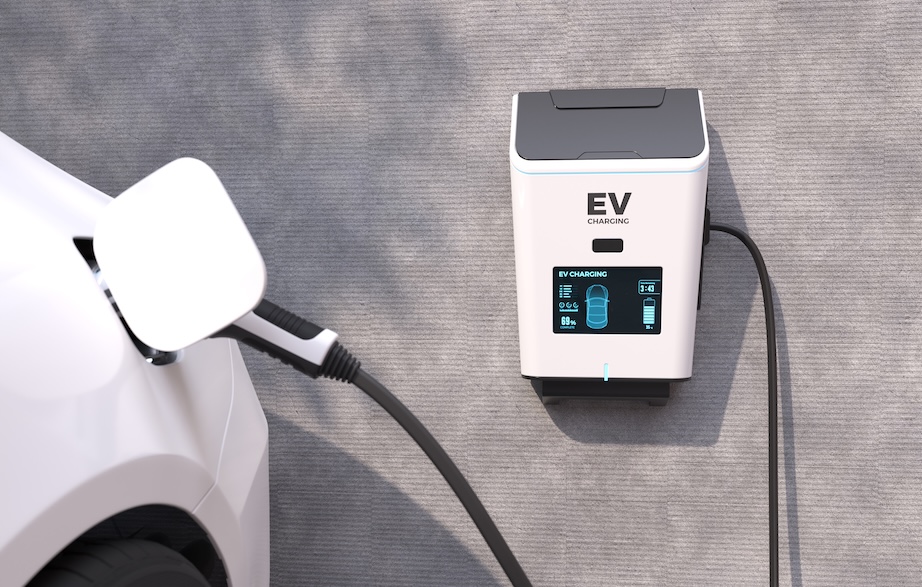
Electric vehicle ownership requires an efficient charging strategy to keep your battery performing at its best. Relying solely on standard Level 1 wall sockets results in slow charging times and inefficient power delivery. Upgrading to a dedicated high-power charging unit transforms your home charging routine and protects battery health.
This controlled power delivery optimises energy conversion and minimises electricity loss during daily charging sessions. Read this article to learn how level 2 EV car chargers maximise battery efficiency and performance.
Understanding Level Two Charging Voltage
Standard level 1 charging operates using standard household current, delivering limited power output to your vehicle. This low voltage requires up to twenty hours to replenish a modern electric vehicle battery fully. EV Car Chargers upgrade your power supply to a 240-volt circuit, doubling electrical pressure.
This increased voltage allows the charger to deliver between 7 and 22 kilowatts of continuous power. Higher voltage levels reduce the time your vehicle’s internal systems remain active during charging cycles. The efficiency of electrical energy transfer improves significantly at higher voltage levels.
Optimising Thermal Management Systems
Electric vehicle batteries operate most efficiently within specific temperature ranges during daily charging operations. Slow level 1 charging exposes the battery to prolonged, low-level heat generation over extended timeframes. The intense heat from high-power DC fast charging stresses battery chemistry over time.
Level 2 charging provides optimal balance for battery thermal management systems through these mechanisms:
- Controlled Heat Generation: Delivers higher power levels without generating extreme temperatures within individual battery cells
- Active Cooling Efficiency: Allows the vehicle’s thermal management system to run optimal cooling cycles briefly
- Reduced Heat Duration: Shortens the total timeframe the battery remains at elevated operating temperatures during charging
- Cell Balancing: Provides optimal voltage levels for the Battery Management System (BMS) to balance cell charges
Reducing Energy Conversion Losses
Charging an electric vehicle requires converting Alternating Current (AC) from the grid into Direct Current (DC). The vehicle’s onboard converter executes this conversion process, generating a small amount of heat energy loss. Level 2 chargers operate at higher efficiency curves on the onboard converter compared to level 1.
Higher current levels allow the converter to operate consistently near its peak efficiency. Operating at peak efficiency reduces the total kilowatt-hours drawn from the electrical grid per charge. You pay for less wasted energy while delivering maximum usable charge directly to the battery.
Utilising Smart Grid Features
Modern level 2 chargers incorporate smart software connectivity to optimise daily charging schedules automatically. You can programme the charger to operate exclusively during off-peak electricity hours using mobile apps.
Smart charging features enhance overall charging efficiency and utility management through these capabilities:
- Scheduled Charging: Automates charging cycles to begin when electricity grid demand and costs are lowest
- Power Slashing: Adjusts power delivery automatically based on household electrical appliance usage patterns
- Solar Integration: Synchronises charging cycles with rooftop solar systems to charge using self-generated renewable energy
- Data Tracking: Monitors real-time energy consumption to optimise daily charging habits and track costs accurately
Protecting Long-Term Battery Health
Maintaining optimal battery capacity over years of ownership requires avoiding continuous exposure to extreme charging methods. Frequent reliance on commercial DC rapid chargers accelerates lithium plating on battery anodes over time. Level 2 AC charging represents the ideal daily charging method recommended by electric vehicle manufacturers.
It provides fast charging speeds to meet daily driving needs without causing chemical stress. Consistent level 2 charging maintains internal cell balance and preserves maximum energy storage capacity. Protecting your battery health preserves vehicle driving range and maintains higher resale value over time.
Upgrade Your EV Charging Infrastructure
Maximising electric vehicle performance requires an efficient and controlled charging solution at home. Level 2 chargers deliver the optimal balance of speed, energy efficiency, and long-term battery protection. Upgrading your home infrastructure ensures your vehicle charges efficiently while reducing overall energy losses.
Evaluate your current home charging setup to determine if your vehicle is operating at peak efficiency. Install a dedicated Level 2 charger to streamline your daily routine and protect your battery investment.
Image by user6702303 on Magnific
Contributed posts are advertisements written by third parties who have paid Woman Around Town for publication.