
Technology, remote work, and evolving industries have changed how people do their jobs, but one thing has become increasingly clear: employee health and safety can no longer be overlooked.
In the past, occupational health was often associated with physically demanding or high-risk industries like construction or manufacturing. Now, it applies to almost every work environment, including offices and remote settings. Issues like poor ergonomics, stress, and exposure to environmental risks are becoming more visible, and companies are starting to take them seriously.
This growing awareness has led to a stronger focus on prevention rather than reaction. Instead of addressing problems after they occur, organizations are investing in strategies to keep employees safe and well from the start. As a result, the need for skilled professionals who understand workplace health risks is rising, making occupational health an essential part of modern business operations.
Why Occupational Health Is More Important Than Ever
The modern workplace comes with a new set of challenges. Employees may not always face obvious physical dangers, but there are still many risks that can affect their health over time. These include exposure to harmful substances, poor workspace design, long hours of screen time, and increasing levels of stress.
Because of this, companies are paying closer attention to how work environments impact overall well-being. Occupational health professionals play a key role in identifying these risks and finding ways to reduce them. Their work helps create safer, more supportive environments where employees can perform at their best.
As demand for these professionals grows, education has become more accessible and flexible. Many individuals looking to enter or advance in this field are choosing programs that allow them to study while continuing to work. For example, pursuing an industrial hygiene degree online can provide the knowledge needed to understand workplace hazards, assess risks, and develop effective safety strategies. Programs like the online Master of Science in Public Health are designed to prepare students for real-world challenges in occupational health, offering practical skills in areas like environmental monitoring, risk assessment, and public health policy.
This shift toward flexible education is helping meet the growing demand for trained professionals. It also makes it easier for people from different backgrounds to enter the field and contribute to safer workplaces.
Understanding Occupational Health and Its Key Components
Occupational health is about more than just preventing accidents. It focuses on protecting the overall well-being of employees, including their physical, mental, and environmental health.
One key component is workplace safety. This involves identifying potential hazards and putting measures in place to prevent injuries. In some industries, this might include protective equipment or strict safety procedures. In office settings, it could mean ensuring that workspaces are set up properly to avoid strain or discomfort.
Another important area is industrial hygiene. This focuses on monitoring and controlling environmental factors that could affect health, such as air quality, noise levels, or chemical exposure. By identifying these risks early, organizations can take steps to reduce or eliminate them.
Ergonomics also plays a big role. Poor posture, repetitive movements, and uncomfortable workstations can lead to long-term health issues. Simple adjustments, like better chairs or proper desk setups, can make a significant difference.
Mental health is another growing focus. Stress, burnout, and work-life balance are becoming major concerns in today’s workplaces. Supporting mental well-being is now seen as an essential part of occupational health.
Together, these elements create a more complete approach to employee well-being.
Benefits of Strong Occupational Health Programs
Investing in occupational health brings clear benefits for both employees and organizations. One of the most obvious is a reduction in workplace injuries and illnesses. When risks are managed effectively, employees are less likely to get hurt or become sick on the job.
Healthy employees are also more productive. When people feel safe and supported, they can focus better and perform their tasks more efficiently. This leads to improved overall performance for the business.
There are also financial benefits. Fewer injuries mean lower healthcare costs, fewer compensation claims, and less downtime. Over time, these savings can add up significantly.
Employee satisfaction is another important factor. Workers are more likely to stay with a company that values their well-being. This helps reduce turnover and creates a more stable workforce.
Finally, companies with strong occupational health programs often build a better reputation. They are seen as responsible employers, which can make it easier to attract top talent and build trust with customers and partners.
Real-World Impact Across Industries
Occupational health practices can be applied across many different industries, each with its own unique challenges.
In manufacturing, safety measures are often focused on preventing accidents and controlling exposure to hazardous materials. This might include regular equipment checks, protective gear, and strict safety protocols.
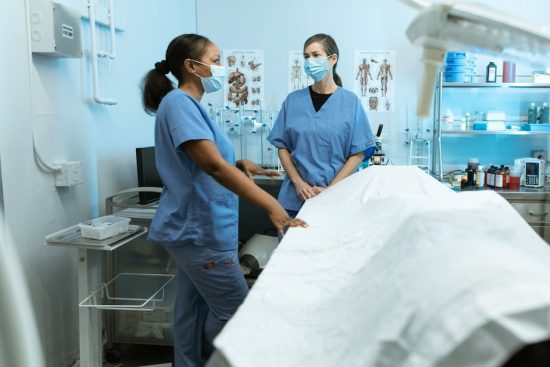
In healthcare, the focus is often on preventing infections and ensuring that workers are protected from exposure to harmful substances. Proper training and safety procedures are essential in these environments.
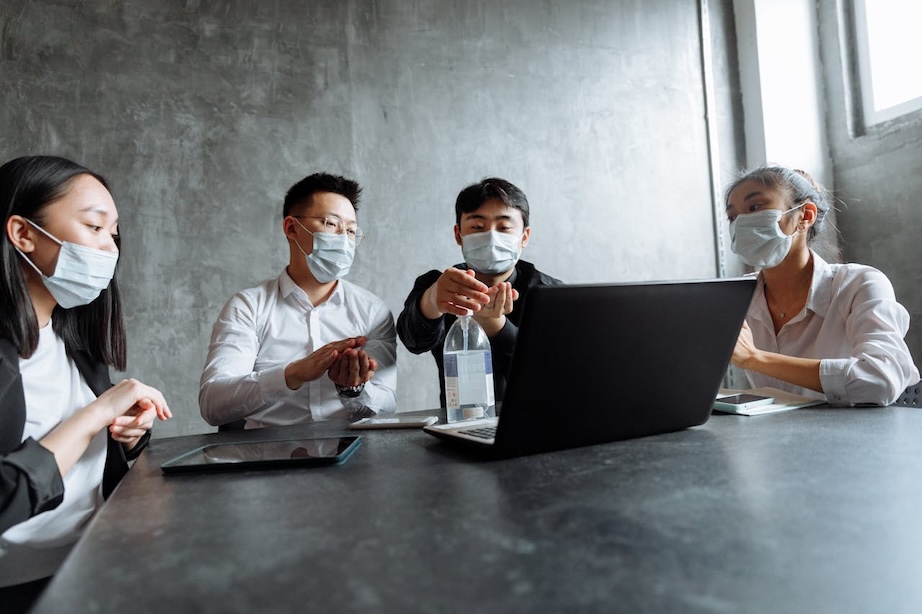
Office settings may seem low-risk, but they come with their own concerns. Poor ergonomics, long hours at a desk, and high stress levels can all affect employee health. Simple changes, like adjustable workstations and wellness programs, can make a big difference.
Even remote work environments require attention. Employees working from home may face challenges like isolation, poor posture, or difficulty separating work from personal life. Occupational health strategies are evolving to address these new realities.
Across all industries, the goal remains the same: to create safer, healthier workplaces where employees can thrive.
Challenges in Implementing Occupational Health Practices
While the benefits are clear, implementing occupational health programs can come with challenges. One of the main issues is cost. Smaller businesses, in particular, may struggle to invest in comprehensive health and safety measures.
There can also be a lack of awareness. Some organizations may not fully understand the importance of occupational health or how to implement effective strategies.
Balancing productivity with safety is another challenge. Companies may worry that focusing too much on safety could slow down operations, although in reality, it often leads to better long-term results.
Additionally, workplaces must constantly adapt to new risks. Changes in technology, work environments, and regulations require ongoing attention and updates to health and safety practices.
Despite these challenges, many organizations are finding ways to prioritize employee well-being.
Occupational health has become a vital part of modern workplaces. It goes beyond preventing accidents and focuses on the overall well-being of employees. As businesses face new challenges, the need for effective health and safety strategies continues to grow.
By investing in occupational health, organizations can create safer environments, improve productivity, and build stronger teams. At the same time, individuals entering this field have the opportunity to make a meaningful impact on people’s lives.
As awareness continues to increase, healthier workplaces are likely to become the standard rather than the exception.
Photo by Thirdman at Pexels.com
Contributed posts are advertisements written by third parties who have paid Woman Around Town for publication.