Color registers in human consciousness before shape, detail, or even conscious thought emerges. Walking into a room painted in deep crimson produces visceral reactions distinct from entering a space washed in pale blue. The heart rate shifts, breathing patterns alter, and emotional responses activate within milliseconds. This immediate, unconscious processing makes color the most influential design decision in any interior space. Traditional decorating wisdom often treats color as merely an aesthetic preference, yet neuroscience reveals far deeper connections between hue and human experience.
Professional Feel Flow Space mural artists recognize that color selection shapes daily emotional landscapes more profoundly than furniture arrangement or decorative accessories. The walls surrounding people during sleep, work, meals, and relaxation continuously influence mood, energy levels, and psychological well-being. Strategic chromatic choices transform ordinary rooms into therapeutic environments supporting specific activities and emotional states. Understanding these mechanisms enables homeowners to harness color psychology intentionally, rather than stumbling upon pleasing combinations through trial and error.
Neurological Foundations of Color Response
Light wavelengths enter the eye and travel through the optic nerve to reach the brain’s limbic system, the ancient region governing emotion and memory. This pathway bypasses conscious reasoning centers, explaining why color affects feelings before rational thought intervenes. Different wavelengths trigger distinct physiological responses. Red light increases heart rate and blood pressure, preparing the body for action. Blue light lowers these same metrics, promoting calm and reducing anxiety. These reactions evolved over millennia, associating red with blood and danger, while linking blue to peaceful skies and safe water sources.
The brain associates colors with stored memories and cultural conditioning. Someone who has experienced trauma in a yellow room may feel an inexplicable unease around that hue, regardless of its generally cheerful associations. Cultural context layers additional meaning onto these biological foundations. Western traditions connect white with purity and weddings, while many Eastern cultures reserve white for mourning and funerals. Professional muralists account for both universal physiological responses and culturally specific meanings when designing chromatic schemes.
Individual Hue Psychology
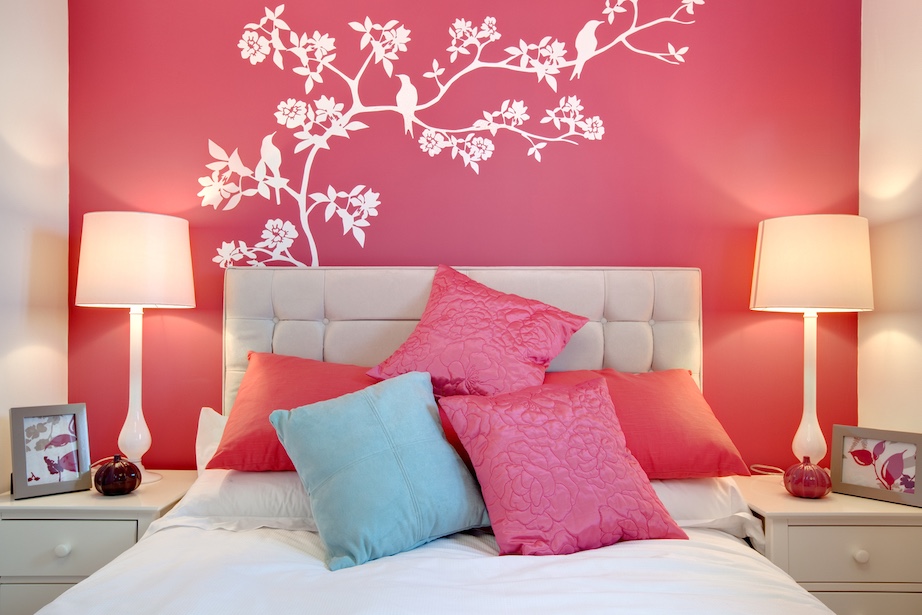
Red family colors stimulate and energize through their association with fire, blood, and vital life force. Pure scarlet elevates energy levels and encourages conversation, making it valuable in dining areas where appetite and social interaction benefit from stimulation. However, these same qualities disrupt sleep when applied to bedroom walls. The intensity matters significantly—deep burgundy communicates sophistication and grounding rather than the urgency of bright crimson. Pink softens the aggression of red while maintaining warmth, creating nurturing environments that are particularly effective in spaces requiring gentle energy.
Blue stands as the most universally appealing color across cultures and demographics. Its calming properties lower stress responses and promote focus without sedation. Light sky tones open spaces visually while darker navy shades provide grounding and authority. The ocean and sky associations make blue particularly effective in bathrooms and bedrooms, where tranquility serves as a primary function. Professional applications consider saturation carefully—vibrant turquoise energizes, while powder blue soothes.
Green occupies the perfect balance point between warm and cool, advancing and receding, stimulating and calming—the human eye processes green with minimal strain, making it the most restful color for extended viewing. Nature connections run deep, triggering associations with growth, renewal, and organic vitality. Sage and muted greens bring contemporary sophistication to modern interiors, while forest depths communicate richness and stability. Botanical murals leverage the inherent psychological benefits of green while adding visual interest through varied foliage forms.
Yellow radiates optimism and mental stimulation but requires careful application due to its high visibility and potential for overstimulation. Soft butter tones provide warmth without anxiety, while bright lemon yellow demands attention and can fatigue viewers when overused. The color stimulates mental activity and metabolism, making it suitable for kitchens and creative spaces, but potentially problematic in bedrooms that require rest. Mustard and golden yellows offer earthier alternatives that maintain warmth while reducing intensity.
Purple carries historical associations with royalty due to the rarity and expense of purple dyes throughout most of human history. This scarcity creates perceptions of luxury and exclusivity. Lighter lavenders convey elegance and femininity, while deep plums evoke drama and sophistication. The color stimulates imagination and artistic expression, benefiting creative studios and meditation spaces. However, excessive purple can feel heavy without adequate lighting and neutral balance.
Neutral colors, including white, gray, beige, and black, serve as essential foundations that allow other hues to perform effectively. White reflects maximum light, expanding space perception and creating blank canvases for life and color to populate. Gray provides sophisticated neutrality, though warm and cool undertones significantly affect its interaction with surrounding colors. Beige and taupe convey comfort and reliability through their earthy connections, though they risk blandness without careful execution. Black adds weight, drama, and grounding when used strategically as an accent rather than a dominant color.
Chromatic Harmony and Combination Principles
Complementary colors sit opposite each other on the color wheel, creating maximum contrast and visual vibrancy. Red and green, blue and orange, yellow and purple all generate dynamic tension that energizes spaces. However, equal amounts at full saturation produce uncomfortable visual conflict. Successful complementary schemes employ one color dominantly while using its opposite as a strategic accent. Desaturating one or both colors reduces intensity while maintaining the underlying harmony.
Analogous colors neighbor each other on the wheel, producing naturally harmonious progressions. Blue flowing into blue-green and then green creates peaceful transitions found throughout nature. These schemes feel cohesive and comfortable, making them ideal for spaces that require calm rather than stimulation. Landscape murals employ analogous progressions instinctively, moving from sky blues through water tones to vegetation greens. Varying saturation and value within the analogous family prevents monotony while maintaining unity.
Monochromatic approaches explore single hues through tints, shades, and tones, utilizing a single color palette. Adding white creates lighter tints, while black produces darker shades, and gray generates muted tones. This sophisticated technique relies on value contrast rather than hue variation to create interest. Gradient murals that transition from pale to deep versions of a single color demonstrate monochromatic potential. The unified color story creates calm, intentional atmospheres, particularly effective in bedrooms and meditation spaces.
Room Function and Chromatic Selection
Bedrooms demand colors supporting rest, relaxation, and reduced stimulation. Blues in all variations lower blood pressure and heart rate, preparing bodies for sleep. Soft greens balance without sedating, while gentle grays provide sophisticated calm. Warm neutrals, including beige and taupe, create cozy comfort without the stimulation that warmer colors like red and orange introduce. Avoiding bright, saturated hues in sleeping quarters can help protect sleep quality and promote genuine rest.
Living spaces require a balance of social energy and everyday comfort. Warm neutrals, including tans, creams, and complex grays, welcome guests while remaining livable for daily family activities. Earth tones ground busy spaces without demanding attention, allowing furniture, artwork, and people to take visual priority. Accent walls in deeper or brighter colors create focal points without overwhelming entire rooms. The goal involves creating backgrounds that enhance life rather than competing with it.
Kitchens benefit from colors that stimulate appetite and conversation. Warm reds and oranges evoke hunger responses while creating energetic atmospheres that are conducive to cooking and gathering. Soft yellows provide welcoming brightness without the intensity that pure lemon introduces. Fresh greens connect kitchens to organic ingredients and healthy eating, while maintaining a clean, sanitary feel. White remains popular in kitchens specifically because it communicates cleanliness and reflects light in often compact spaces.
Home offices require colors supporting focus, productivity, and sustained concentration. Blues enhance cognitive function without causing drowsiness, explaining their prevalence in corporate environments. Greens reduce eye strain during extended screen time while maintaining alertness. Soft yellows stimulate mental activity without producing the anxiety that brighter versions cause. Avoiding red in work environments helps prevent stress elevation and distraction from tasks that require sustained attention.
Illumination and Chromatic Interaction
Natural light direction fundamentally alters color appearance. North-facing rooms receive cool, consistent illumination that intensifies blue and green tones while muting warm colors. South-facing spaces flood with warm, abundant light that beautifully enriches yellows, oranges, and reds. East-facing rooms enjoy morning brightness that gradually softens, while west-facing spaces glow during afternoon and evening hours. Muralists account for these directional qualities when selecting palettes, often recommending warm colors for cool northern exposures and vice versa.
Artificial lighting technology has a significant impact on chromatic perception. Traditional incandescent bulbs emit warm yellow light that enhances warm colors while dulling cool ones. LED technology offers variable color temperatures measured in Kelvin degrees. Warm white LEDs, around 2700K, mimic the warmth of incandescent bulbs, while cool white versions at 5000K produce a daylight-like illumination. The interaction between wall color and light temperature determines the actual perceived color, making testing under actual lighting conditions essential before making a final commitment.
Common Chromatic Errors
Following color trends without considering personal preference, room function, or existing elements produces disappointing results. Popular hues promoted through social media and design publications work beautifully in photographed spaces but may clash with actual furniture, lighting, and lifestyle needs. Authentic satisfaction comes from understanding personal color responses rather than chasing temporary fashions.
Ignoring undertones can create unintentional discord, even among supposedly neutral parties. Beige with pink undertones clashes with beige containing green undertones, despite both being considered neutral. Gray splits into warm versions with beige undertones and cool versions with blue undertones. Adjacent rooms painted in undertone-mismatched neutrals create subtle discomfort that residents often cannot articulate but definitely experience.
Improper color proportion overwhelms spaces with excessive intensity or underwhelms through insufficient contrast. The classic guideline suggests sixty percent dominant color, thirty percent secondary color, and ten percent accent color. While not an absolute law, this framework prevents the visual chaos of multiple colors competing equally or the blandness that results from insufficient variety. Dark colors carry more visual weight than light ones, requiring smaller quantities to balance compositions effectively.
Photo by iStock by Getty Images
Contributed posts are advertisements written by third parties who have paid Woman Around Town for publication.