
They say that women’s work is never done. Same could go for Darla Hastings, the executive director of Women’s Connection, the national organization for women who are breaking away from their careers, but not the productive lives they’ve built. Hastings quit her corporate job when her husband fell ill and she needed to stay home. Eventually, after around the clock caretaking, she had no office to go back to, and missed her work colleagues, as she says, “to hang out with.”
Joining the local Women’s Connection chapter (then called The Transition Network) she found camaraderie with local professional women who had also left the corporate world. Women who, like Hastings, wanted to pursue common interests, contribute their experience, and build lasting friendships.
But that wasn’t enough for Hastings.
“I ended up doing some pro bono consulting for the board of directors,” she says, “and when they needed a new executive director, I agreed to keep things glued together for a few months while they found someone.” When that didn’t happen, she came on board full-time and has been at the helm of the organization for the past four years. But she adds, “Time flies when you’re having fun.”
Founded in New York City in 2000 and originally called TNN for The Transition Network, the Women’s Connection was organized chapter by chapter in cities throughout the country; an all-virtual chapter called “Coast to Coast” was launched in 2021. The name change stemmed from the shared feeling amongst members that “connection” is the spirit that drives the community, and in a 2023 survey to consider a new name, Women’s Connection won out.
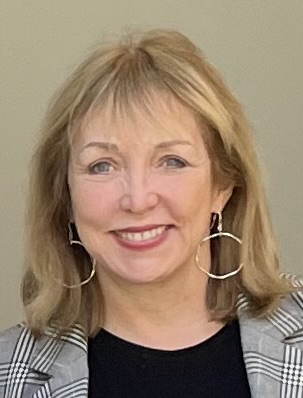
Darla Hastings
WomanAroundTown reached out to Hastings for a Q&A session:
Is there something for every woman in the Women’s Connection? No matter what income or education level?
Our members live in every part of the country, and they come from a broad spectrum of work and family backgrounds. In some very important ways, though, they are exactly alike.
They have either reached, or are planning for, a stage in life where career and child-raising responsibilities are behind them, and they finally have a little time for themselves. Many members dive back into interests they put on hold. Others want to travel, read more, and learn new things. Members motivate each other to stay healthy – we have lots of walking groups, for example – and they join forces to support causes they believe in.
No matter how they plan to use their freedom, everybody is looking for a warm community of women with whom to share this exciting time in their lives.
The original name was The Transition Network, what was the inspiration for the name change?
Most women today crave a richer, more active life after age 50 than their mothers and grandmothers had. But making the transition from working full time to what our founders called “living full time” isn’t as challenging today as it was a quarter-century ago, when The Transition Network was born. There are countless ways for women over 50 to fill up their calendars these days.
Women tell us that what they need most now is to connect with other women in a way that goes beyond just running into each other at events. They want to be part of a community where they feel they belong. They want to connect with women they truly know, and who they can count on to show up for them.
“Connection” is the spirit that drives us today. Our new name does a good job of reflecting what we’re about.
I know you took over the spot just a few years ago. What have you learned, and what programs or changes have you implemented?
When I came on board, chapters around the country operated very independently, with responsibility for every aspect of their operations, from marketing to finance. This was a huge burden for chapter leadership teams, all of whom are volunteers. It also wasn’t very efficient, because they were all continuously reinventing the wheel.
Chapters today still have their own cultures and make their own local choices, but we manage routine tasks centrally now. This gives chapters much more time to focus on what only they can do: take care of our members!
How does a chapter get started?
We have an easy process for starting chapters. Generally, a woman contacts me, and we have a conversation about what’s involved. If she wants to move ahead, we plug her into resources and an existing chapter chair mentors her. Getting a chapter off the ground takes about a year. It’s hard work, but very rewarding.
How many members do you have?
We have 3,200 active members. Roughly 6,000 other women participate in events and workshops that are open to non-members.
Are you a participant in the one nearest to you….do you visit the chapters?
I live in Brooklyn and am a member of the New York City chapter. I attend chapter events and am part of a peer group — nine women who get together once a month. We call ourselves the “Vibes.” I didn’t know any of these women two years ago and now they are some of the most important people in my life.
As executive director, I host a Chapter Leader Forum once a month and talk with chapter chairs individually on a regular basis. I visit chapters as well, usually for special events. For example, I was with the Billings, Montana chapter last June for their anniversary celebration. I don’t know when I’ve had more fun.
What is your day-to-day routine?
We are modernizing and improving just about everything right now, so in many ways we’re a 25-year-old start-up. This means that I’m working very long days – but I have to say that it’s a lot of fun.
My office is in my apartment in Brooklyn. I wake up without an alarm at around 7 a.m. and spend an hour reading the news and answering emails while I drink a huge cup of coffee. Then I take my dog Sophie for a walk in Prospect Park. I try not to take my phone with me.
My workday generally starts at around 9 a.m., and it’s a combination of Zoom meetings, phone calls and writing. I publish two newsletters each month for members and non-members – about 9,000 women – and a lot of writing is involved. I like to write and enjoy having quiet time to put my thoughts together.
I traveled a lot, in the US and globally, when I was a corporate executive. I have a lot more control over my schedule in this role as a nonprofit executive director. I try to carve out time for lunch or drinks with friends and have dinner with my son or boyfriend when I’m not at a work event. I’m back at my desk for a few hours every night.
I recently hired a trainer who is helping me get out of my desk chair and move! What they say about “use it or lose it” is absolutely true. My definition of what “it” looks like will inevitably change, but I’m determined to lose as little as possible as I get older.
What’s coming up that members and new-members alike can look forward to?
We’re making it easier for women to connect with each other using a new Women’s Connection app. Among other things, it will enable members to get in touch with women in their neighborhood for casual get-togethers: “Does anyone want to go for a walk?” or “Several of us are meeting for wine at 6 p.m. Would love to have you join us!”
We’re setting up small groups all over the city where members can get to know each other well. Our groups consist of 10-12 women who meet at least once a month for all kinds of discussions – from politics to poetry. They are a lot of fun, and members form life-long friendships in them.
We’re giving back to the NYC community in new ways. For example, a Women’s Connection member is sending out notices to members with dates and times when organizations need volunteers to show up. Our goal is to have regular shifts available for our members in Manhattan, Brooklyn and Queens

The Women’s Connection offers three categories of get-togethers:
Groups:
Peer Groups: meet monthly in member homes for discussions, and camaraderie.
Special Interest Groups: started by members to explore a common interest, from travel to book discussions to quilt making.
Workshops:
Intensive courses emphasizing education, self-discovery and practical problem-solving on topics related to members’ lives.
Events:
One-time occasions that run the gamut from educational talks to cocktails. Opportunities exist to connect with other members many times a week.
The book, Smart Women Don’t Retire – They Break Free, published in 2008 in collaboration with writer Gail Rentsch and chapter members, shares stories of early members as they redefined retirement. Amazon says it is a “practical and inspiring guide to reinventing what’s next.”
For more information, go to the website for Women’s Connection.
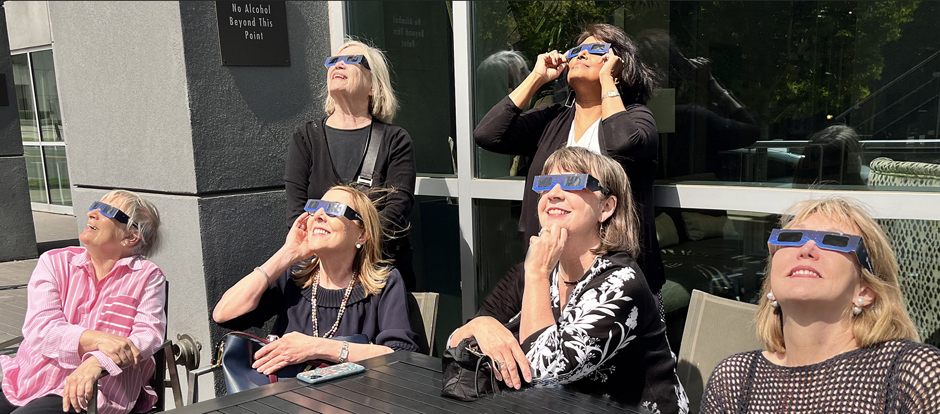
Top photo: Members of TTN’s Board of Directors at a strategic planning meeting on April 8, 2024 in Charlotte, NC. Standing, left to right: Karen Buros and Sujatha Kailas. Sitting: Pat Bertell, Karen Roggeman and Sheri Stickley. Executive Director Darla Hastings is on the far right.