Chances are that many young people wouldn’t recognize the name Seymour Hersh. And since what’s covered in American history text books has been whitewashed, they probably know little about the atrocities committed at My Lai or Abu Ghraib. Cover-Up, a documentary directed by Laura Poitras and Mark Obenhaus that focuses on Hersh’s career, should be required viewing for those working as or aspiring to be writers and journalists.
Cover-Up. Cr. Courtesy of Netflix
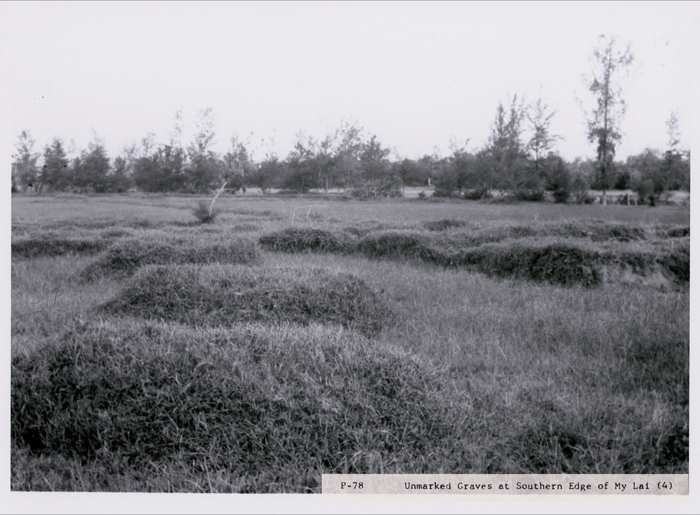
Hersh was perhaps the most aggressive and feared investigative reporter during the 1960s and 1970s. He exposed the My Lai massacre where between 347 and 504 unarmed Vietnamese civilians (almost all women, children, and elderly men) were killed by U.S. soldiers on March 16, 1968. The U.S. Army attempted a cover-up until Hersh, receiving information from a whistleblower, was able to get 35 newspapers to run the story. Later in his career, he published three articles in The New Yorker detailing the abuse and torture inflicted by American soldiers upon detainees at the Abu Ghraib prison near Baghdad. The photos accompanying the article were horrific and the Bush Administration attempted to stop publication. CBS’s 60 Minutes initially agreed, but changed course when the network learned Hersh’s articles would still appear.
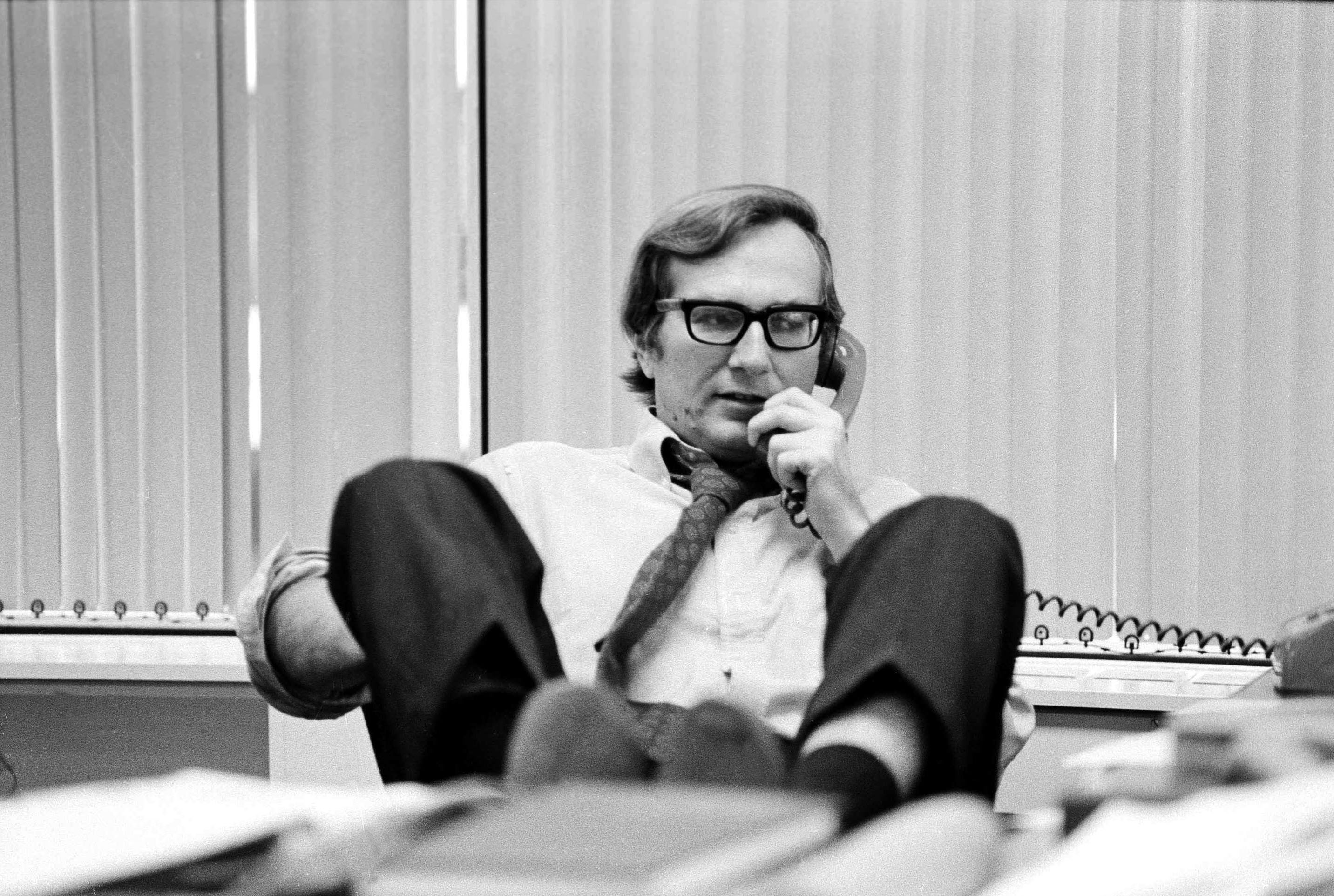
Being a successful investigative reporter requires many skills. Hersh, now 88, was always able to get people to talk. And he always protected his sources, as is evident when Poitras presses him to talk about those who confided in him. The most we get are glimpses at some of Hersh’s scribbled notes. (Remember when reporters took notes on paper?) The best investigative reporter is like a dog with a bone, trusting the gut and never letting go of the story, even when the powers that be withdraw support.
In 1972, Hersh was hired as an investigative reporter for the New York Times and was soon competing with Washington Post reporters Bob Woodward and Carl Bernstein to break stories about President Nixon and Watergate. (Woodward and Bernstein, like Hersh, often had to fight to get their stories into print.) Hersh’s stories continued to make headlines until he ventured into covering corporate America. The higher ups at the Times were not pleased with his expose on the powerful Gulf and Western Industries. He later said that the paper “wasn’t nearly as happy when we went after business wrongdoing as when we were kicking around some slob in government.” He left the paper in 1979 to write a book on Henry Kissinger.

Seymour Hersh in Cover-Up. Cr. Courtesy of Netflix © 2025
Writing books freed Hersh to take on the investigations that interested him, although, truth be told, audiences had to wait years for any revelations he produced rather than read the morning headlines. Nevertheless, his books often became bestsellers, including: The Price of Power: Kissinger in the Nixon White House, The Target Is Destroyed: What Really Happened to Flight 007 and What America Knew About It, and The Killing of Osama Bin Laden.
Even the best investigative reporters have missteps. Hersh was deceived at one point by a source who produced love letters between President John Kennedy and Marilyn Monroe. Turns out they were counterfeit but, fortunately, Hersh never used them in a story.
Hersh tells Poitras that despite his reputation as a hard hitting reporter, he’s just a normal guy who has been married for 60 years and has three children. He credits his wife, Elizabeth, a psychoanalyst, for keeping him sane. While covering a story about war crimes, where two year-olds were being killed, he called his wife, saying he kept thinking about his own children. She told him, those who were killed were not his children and he should just keep reporting the story.
Hersh is still reporting, writing a regular column on Substack where he often breaks news.
Top photo: Cover-Up, Seymour Hersh, Courtesy The New York Times