Long before Martha Stewart became the gold standard for farm to table living, my Italian grandmother was my inspiration. In the backyard of her home in upstate New York, she had a garden where she grew tomatoes, pole beans, zucchini, and eggplant, along with herbs like basil and parsley. She had a small coop where she raised chickens. And, yes, she killed and prepared them herself.
In my immediate family, my dad was the gardener, and then my sister. When visiting, I was often the grateful recipient of their harvests. Living in a Manhattan apartment, I was never able to grow my own vegetables or, obviously, raise chickens, which I know is a real trend among Gen Zs these days. But I have found ways to honor my relatives, and model Martha Stewart, with my own farm-to-table hacks.
Start with Fresh, Local Ingredients
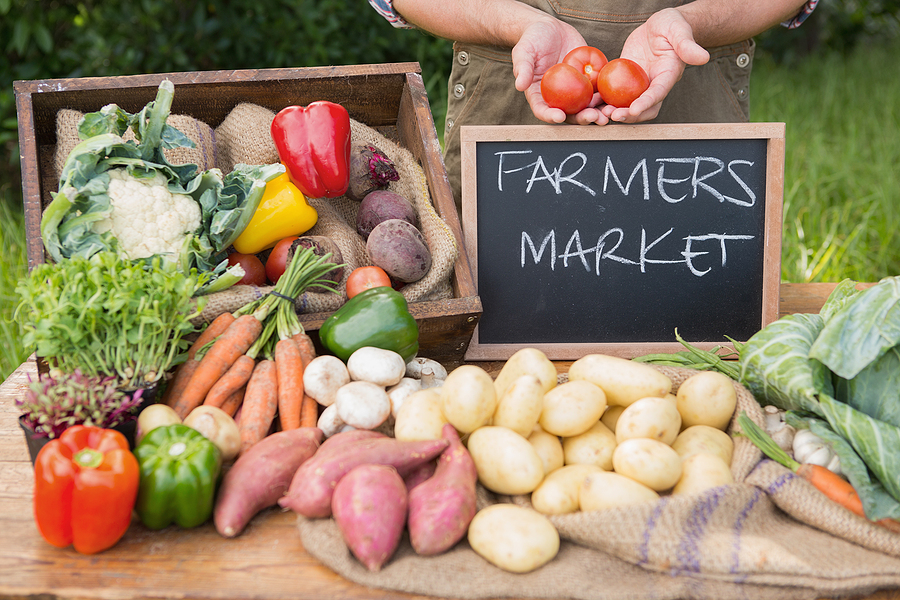
At the heart of the farm-to-table movement is a focus on seasonal, local produce. Shopping at Whole Foods or Stew Leonards, signs often proclaim that fruits or vegetables are from local sources. Those purveyors may not be local, so it’s best to shop at a nearly farmers market. This time of year is perfect for tomatoes, herbs, corn, and farm-fresh eggs. To find a farmers market near you, go to the website, GrowNYC.
If you can’t get to the farmers market, you can have a weekly box of vegetables, fruit, even artisanal bread delivered to your door with a subscription to a Community Supported Agriculture (CSA) service. For information, go to the website for Farm to People.
And don’t give up growing your own. Herbs like basil, thyme, and mint thrive in sunny windowsills or balcony pots. Compact indoor garden kits make it easy to grow lettuce or cherry tomatoes year-round.
Create a Farmhouse Kitchen
I still have and use some of my grandmother’s linens that she used to grace her table. She was skilled with crochet and embroidery, so my tablecloths, runners, and napkins are decorated with her designs. You can find vintage linens in shops that carry these items. But you can also find modern linens with rustic touches sold by William Sonoma, Pottery Barn, and other outlets.
Equipment you use to prepare meals also can be displayed. Cutting boards, pottery, glass bowls and pitchers can be functional and decorative. Fruits and vegetables are colorful and can also dress up a table. If you are growing herbs in a pot, they can be added to the display.
You may not have a flower garden – something else my grandmother and father had – so pick up a colorful bouquet at the farmers market or a local stand. Don’t worry if you can’t arrange them perfectly. A bouquet that is thrown together can be just as appealing.
Cook Simply, Serve Beautifully
Long before the Mediterranean diet became popular for healthy eating, my grandmother served simple dishes that she presented in a way that made whatever was plated difficult to resist. If you’ve done your shopping, you won’t have any trouble producing a beautiful meal, from appetizers to dessert. Opt for bright colors, arugula salad with shaved parmesan and a lemon vinaigrette, for example. Cut up that bread and serve it with a salted butter and a jar of homemade jam.
Forget Tiffany china when you serve. Add interest with mismatched, vintage plates, bowls, and glasses. (I still use my grandmother’s which never fail to receive compliments.) Light lots of candles to set the mood.
Entertain with Flair and Love
While it’s best to have the heavy lifting done before your guests arrive, don’t be afraid to get them involved in helping put some final touches on the meal. Have someone open the wine, grate some cheese, and pass the small bites. Gathering in the kitchen before a meal will help everyone relax and chat before being seated.
My grandmother didn’t have to deal with cellphones, so set a good example and set yours aside. Turn on some music, focus on the wonderful meal you’ve prepared, and accept all those wonderful compliments you will receive. Even without a garden, you can serve the perfect farm-to-table feats.
Top photo: Bigstock