Accidents caused by another person’s carelessness often leave people facing difficult decisions long before they understand the full impact of their injuries. Speaking with a New York injury lawyer early can help clarify what legal paths may be available while important evidence, deadlines, and insurance issues are still taking shape. In New York, where crowded streets, busy workplaces, apartment buildings, and public spaces create many situations in which preventable injuries occur, knowing your rights can influence the choices you make from the very beginning.
State laws, insurance rules, and questions about liability all play a role in what compensation may be available, making it important to understand how these factors fit together before responding to settlement offers or accepting responsibility. Learning about the legal process before taking action can also reduce uncertainty and help injured people make informed decisions while focusing on recovery.
Negligence Starts the Claim
Most injury cases begin with a basic issue, whether another person or business failed to observe reasonable care. After a crash, fall, or worksite event, many injured people speak with a personal injury lawyer to assess proof, contact insurers, and understand the full range of losses recognized under state law. Early advice can prevent harmful statements, missed deadlines, and weak records that leave important facts open to attack.
First Steps: Protect Evidence
Evidence can fade fast after a traumatic event. Photographs, witness names, video, repair bills, and incident reports may later carry serious weight. A medical visit matters just as much, even if symptoms seem mild at first. Delayed care gives insurers a chance to dispute the link between injury and accident. Prompt documentation helps establish timing, supports causation, and preserves details before memory becomes less reliable.
Medical Records Show Harm
Medical records often shape the value of an injury claim. They connect the event to swelling, muscle spasms, restricted movement, dizziness, sleep disturbance, nerve pain, or post-traumatic headaches. Regular follow-up also matters because long gaps can weaken credibility. Imaging studies, prescriptions, therapy notes, and work restrictions help show severity and duration. Solid records translate lived suffering into proof that insurers, judges, and juries can measure.
Shared Fault Can Change Recovery
Some accidents involve careless conduct by more than one person. One driver may turn without enough clearance while another travels too fast for weather or traffic. A visitor may miss a visible warning while a property owner leaves a dangerous condition in place. In those situations, state law may reduce damages by the injured person’s share of fault. Partial blame does not always destroy a case.
Insurance Does Not End the Analysis
Insurance is part of the picture, but it is rarely the whole picture. Adjusters often request recorded statements, broad medical releases, or quick payment before the physical condition is fully known. Those steps can limit claim value. Policy limits, exclusions, and overlapping coverage may also affect recovery. Legal review can show whether one insurer, several policies, or a direct claim against the wrongdoer makes sense.
Damages Reach Beyond Bills
A sound injury claim is not limited to emergency treatment or car repairs. Damages may include lost pay, reduced earning capacity, future medical care, rehabilitation, and paid help at home. Physical pain, emotional distress, poor sleep, and loss of usual activity may also matter. Property loss can sit beside bodily injury in the same dispute. Comprehensive valuation considers current expenses and lasting effects.
Time Limits Create Pressure
Every case operates under legal deadlines. State statutes set filing periods, and insurance policies may require notice far earlier than a lawsuit must be filed. Claims involving public agencies often carry even shorter notice rules. Missing one date can end a valid claim before the facts are ever heard. Because timing varies by defendant and injury type, early review is important. Waiting can create needless risk.
Settlement Can Be Sensible
Many negligence claims resolve through settlement rather than trial. That path can reduce delay, expense, and the strain that often follows a court fight. Still, a quick resolution makes sense only after the injury is clear enough to assess future care and wage loss. Once you sign a release, further payment is usually blocked. Timing matters because closure should follow medical clarity, not outrun it.
When a Lawsuit Makes Sense
A lawsuit may be necessary when fault is under dispute, harm is serious, or an insurer refuses fair payment. Filing in court opens formal discovery, which can uncover maintenance records, internal reports, phone data, video footage, and sworn testimony. That process often changes settlement positions. Litigation also places firm deadlines on both sides. A filed case may still settle, yet it can create pressure that private negotiation cannot.
Choosing the Right Legal Path After an Accident
People injured by negligence often have more than one legal option, yet each choice depends on evidence, timing, and the course of recovery. Treatment records, witness proof, insurance terms, and filing deadlines all affect the result. Some claims settle on fair terms, while others require litigation pressure. A careful review of fault, damages, and future needs can help injured people pursue proper compensation and avoid early decisions that weaken a strong case.
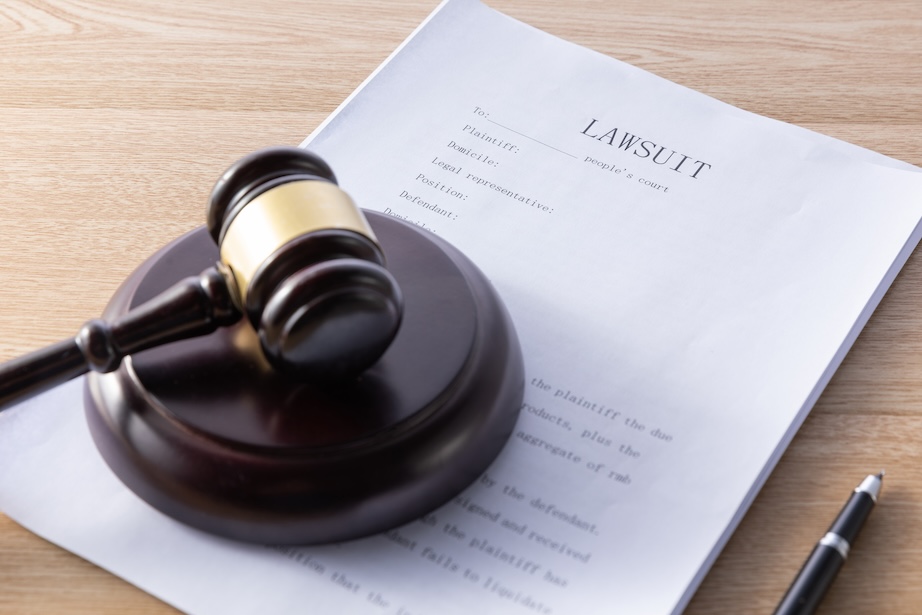
Image by wirestock on Magnific
Contributed posts are advertisements written by third parties who have paid Woman Around Town for publication.