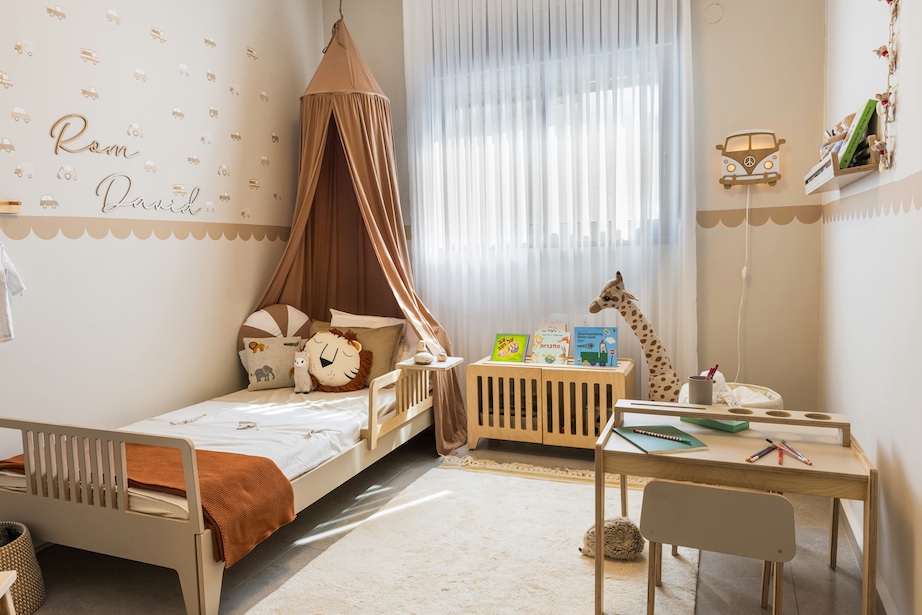
Investing in dynamic furniture choices for your children’s bedrooms plays a big role in managing your expenses. Because young ones develop so rapidly, standard nursery fixtures become obsolete, forcing you to purchase new setups every few years. This blog post explores how selecting furniture pieces can protect your household budget while providing a comfortable sleeping environment for your little ones.
Navigating Rapid Childhood Growth Spurts
Children grow at an astonishing rate, meaning that a sleeping arrangement that fits your toddler perfectly this year will likely feel cramped. Purchasing basic, fixed-size frames means you will inevitably face the hassle and expense of replacing the setup multiple times. Opting for modular bed structures that expand or adjust allows the furniture to grow alongside your child, saving you from shopping trips.
Maximising Multi-Functional Storage Spaces
As your children progress from early toddlerhood to their school years, their collection of toys, books, and clothing options expands, creating challenges. Kids Bed frame that features integrated under-bed drawers or built-in shelving units eliminates the need to purchase separate bulky wardrobes. Also, this layout keeps the bedroom organised while freeing up floor space for playtime and activities.
Adapting to Shared Room Configurations
Many families find it necessary to transition their children into a shared bedroom setup at some stage to accommodate a smaller living space. Standard frames can be difficult to arrange in a single room without blocking pathways and limiting usable play areas. Selecting versatile designs that can transform from separate twin setups into secure bunk systems provides flexibility for changing family dynamics.
Prioritising Simple Yet Timeless Aesthetic Styles
It can be tempting to purchase children’s furniture decorated with vibrant cartoon characters or trendy childhood themes that look appealing to a toddler. However, your child’s tastes will change as they enter primary school, and they will grow embarrassed by childish designs. Plus, choosing classic timber ensures that the bed frame remains visually fit as your child transitions into their teenage years.
Enduring Heavy Everyday Play Activities
Children treat their bedrooms as play zones, meaning their furniture must withstand a big amount of jumping or general roughhousing over the years. Low-quality, flimsy structures can crack or warp under this constant physical pressure, creating serious safety hazards. Investing in premium frames constructed from solid hardwoods ensures that the infrastructure remains intact regardless of daily wear and tear.
Simplifying Future Moving Processes
As your family moves to a new house, bulky and rigid furniture pieces can cause massive logistical headaches. Heavy, unyielding structures are difficult to transport through narrow hallways and may not fit the unique dimensions of a different bedroom space. Versatile flat-pack designs can be disassembled and reassembled with ease, allowing you to transport them without risking damage to the panels.
Supporting Reliable Educational and Study Needs
When your child begins attending school, their bedroom requirements shift to areas that can facilitate quiet study and homework tasks. Some modern loft setups allow you to install a matching study desk or a cosy reading chair underneath the sleeping platform. This clever use of vertical space provides your child with a learning zone without requiring you to dedicate another room in the house for an office.
Strategic Investments In Long-Term Comfort For Your Kids
When you choose adaptable configurations crafted from high-quality materials, you build a flexible environment. Implementing these smart purchasing strategies allows you to avoid the endless cycle of replacing cheap furniture, keeping your family budget safe. Evaluating your long-term spatial needs ensures that your home remains comfortable, organised, and highly efficient for many years to come.
Photo by Shoham Avisrur on Unsplash
Contributed posts are advertisements written by third parties who have paid Woman Around Town for publication.