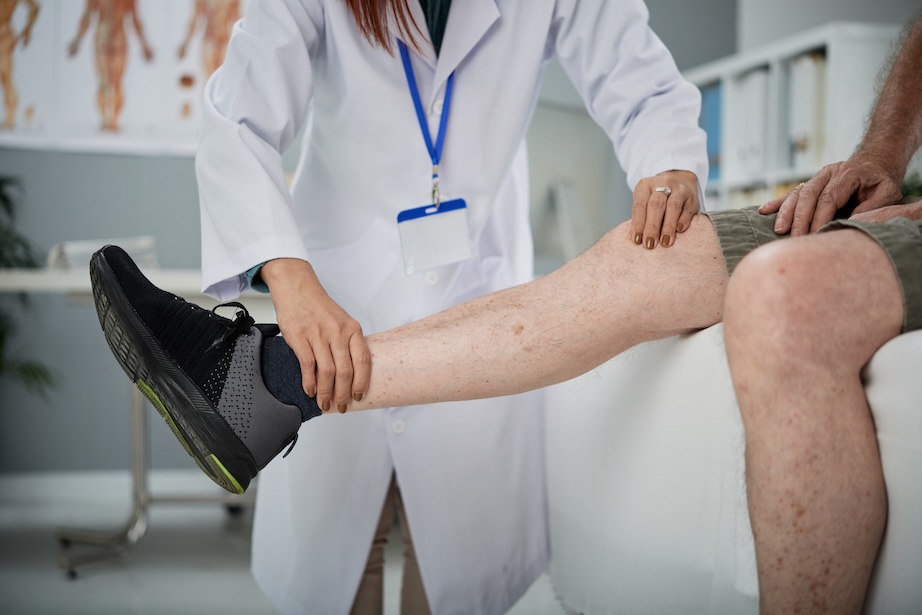
Vascular conditions often begin with changes that feel minor at first. Ankles swell after work, calves cramp during walks, or skin near the lower leg darkens slowly. These patterns can reflect inefficient blood return, narrowed arteries, or rising pressure inside damaged veins. Early medical review helps preserve walking ability, support tissue healing, and maintain daily comfort. A focused circulation exam can also separate temporary discomfort from a problem that needs treatment.
Why Timing Matters
Timing matters because circulation problems can progress before pain becomes intense. A vascular surgeon checks arterial flow, vein valve function, pulse strength, and skin integrity when swelling, ulcers, cramping, or enlarged surface veins appear. Careful evaluation gives patients clearer answers, reduces guesswork, and may prevent wounds, clots, or activity limits from becoming harder to manage later.
Persistent Leg Swelling
Swelling in one leg or both legs may develop when veins cannot move blood efficiently back to the heart. Fluid then collects in the lower limbs, especially after standing, sitting, or traveling.
Deep sock marks, tight shoes, or ankle puffiness by evening deserve attention. Heart, kidney, medication-related, and venous causes can look alike without testing, so recurring swelling should be reviewed.
Varicose Veins
Bulging, rope-like veins often point to weakened valves beneath the skin. Blood can pool inside these vessels, causing pressure that leads to aching, burning, itching, or throbbing.
Some patients experience heaviness after routine activity and notice relief with elevation. Visible veins paired with discomfort should be assessed, especially if symptoms affect work, sleep, exercise, or the ability to stand for extended periods.
Skin Changes
Skin around the ankles can reveal long-standing venous pressure. Brown staining, scaling, dryness, itching, or firm patches may appear as fluid and blood components irritate surrounding tissue.
These changes should not be dismissed as simple aging. Without treatment, fragile skin can break down into open sores. Earlier care may lower the risk of infection and shorten future healing time.
Leg Pain With Walking
Cramping, tightness, or fatigue during walking may suggest reduced arterial supply to working muscles. The pain often eases with rest, then returns after walking a similar distance.
This pattern can affect calves, thighs, hips, or feet. Diabetes, tobacco exposure, high blood pressure, and elevated cholesterol raise concern. Prompt testing can identify narrowed arteries before wounds or severe limitations develop.
Cold or Numb Feet
Feet that feel cold, numb, weak, or unusually pale may indicate limited blood supply. Weak pulses, loss of color, or sudden pain require urgent attention, especially with reduced movement.
Gradual numbness also needs review because nerve injury and artery disease can occur together. Testing helps clarify whether symptoms stem from circulation, nerves, spine problems, or overlapping conditions.
Slow-Healing Wounds
Cuts, blisters, or sores on the feet should improve steadily with basic care. Wounds that linger, drain, darken, enlarge, or become painful need prompt evaluation.
Reduced blood flow limits oxygen delivery, which slows tissue repair and increases the risk of infection. Patients with diabetes face increased risk, so a small toe, heel, or ankle sore should be checked promptly.
Warning Signs Requiring Urgent Care
Certain vascular symptoms require emergency care. Sudden leg swelling, severe calf pain, chest discomfort, shortness of breath, or coughing up blood may signal a clot-related crisis.
A cold, blue, numb, or intensely painful limb can mean blocked arterial flow. Rapid changes in color, sensation, or strength should be treated as urgent, particularly when walking becomes difficult.
What Evaluation May Include
A vascular evaluation often begins with a careful symptom history, pulse checks, skin inspection, and ultrasound imaging. The clinician may ask about walking distance, wound history, tobacco use, diabetes, family patterns, and current medicines.
Results guide the next steps. Care may include compression, supervised walking, wound support, medication changes, minimally invasive vein treatment, artery procedures, or coordination with another medical specialist.
Conclusion
Vascular symptoms warrant attention because they often indicate how well blood flows through arteries and veins. Swelling, aching surface veins, skin discoloration, walking pain, cold feet, and slow-healing wounds can each point to treatable circulation disease. Early evaluation gives patients better information and more choices. With timely care, many people can protect their comfort, independence, and tissue health before symptoms become severe.
Image by pressfoto on Magnific
Contributed posts are advertisements written by third parties who have paid Woman Around Town for publication.