

A visit with a vein care specialist usually begins with symptoms that have lingered too long to ignore. Aching legs, evening swelling, rope-like veins, skin staining, or heaviness after standing often point to impaired blood return. An experienced clinician looks past appearance alone and studies function, risk, and daily impact. That approach gives patients a clearer picture of what the veins are doing, why symptoms occur, and which next steps deserve attention.
Before the First Visit
Preparation helps the visit move efficiently and keeps the discussion grounded in symptoms rather than guesses. Many people looking for experienced vein doctors serving Northbrook arrive with notes on swelling, leg fatigue, night cramps, or aching after work. Medication lists, prior imaging, pregnancies, clot history, and family patterns also matter because venous disease often develops through several overlapping factors rather than a single isolated cause.
Common Reasons for Care
Visible varicose veins often prompt the first appointment, yet appearance is rarely the full issue. Some patients notice throbbing after long shifts. Others report itching, burning, ankle fullness, or pressure that grows late in the day. Skin darkening near the lower leg can also signal long-standing venous hypertension. Even mild symptoms deserve review when they persist.
What the Specialist Reviews
The consultation usually starts with a focused medical history. Past pregnancies, earlier blood clots, leg injuries, and prior vein procedures can change the clinical picture. Daily routines matter as well, especially prolonged standing or desk work. Exercise habits, weight changes, and family history help explain whether symptoms reflect vein valve failure, fluid retention, or another cause that needs separate evaluation.
The Physical Exam
The exam is usually brief, direct, and more informative than many expect. The clinician checks visible vein patterns, ankle swelling, skin thickness, tenderness, and color changes. Both legs are often assessed while sitting and standing because pressure shifts can expose hidden problems. That side-by-side view helps separate cosmetic concerns from signs of deeper venous dysfunction.
Ultrasound Often Follows
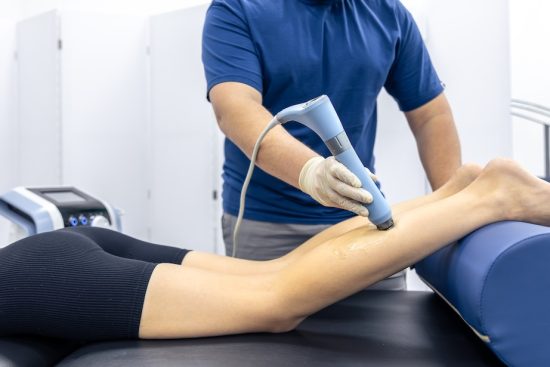
Duplex ultrasound is commonly used to confirm how blood moves through the leg veins. The test is painless and performed on the skin surface. A handheld probe maps flow direction, valve closure, and areas where blood falls backward. Those findings indicate whether symptoms relate to reflux, obstruction, or normal circulation, which keeps treatment decisions based on physiology rather than appearance.
How Findings Are Explained
A strong vein specialist explains results in plain medical language without making the discussion feel rushed. Terms such as reflux, spider veins, perforator disease, or chronic venous insufficiency should be translated into practical meaning. Patients need to know what is minor, what may worsen, and what deserves treatment now. Clear explanations reduce fear and support sound decisions.
Treatment Options May Be Simple
Many patients are surprised that treatment can be office-based and relatively quick. Early care may involve compression, leg elevation, weight management, and walking to improve calf muscle pumping. If reflux is confirmed, procedures may close faulty veins through heat, adhesive, or injected medication. The goal is better blood return, symptom relief, and protection of nearby skin from ongoing pressure.
Insurance and Planning Matter
Insurance requirements often shape the treatment timeline. Some plans ask for a trial of compression therapy before approving a procedure. Office staff may explain records, authorizations, and expected waiting periods. Cost discussions also matter and should happen early. Patients benefit from asking about follow-up imaging, visit frequency, and any out-of-pocket charges tied to supplies or facility fees.
What Recovery Usually Looks Like
Recovery depends on the method used, though many patients return to usual activity quickly. Walking is often encouraged on the same day because calf movement promotes venous flow and reduces clot risk. Mild bruising, tightness, or soreness can occur for a short period. Compression garments may be advised after treatment, and follow-up imaging checks are recommended to assess healing and vessel closure.
When a Follow-Up Is Needed
Follow-up matters if symptoms persist, swelling returns, or skin changes continue after treatment. Venous disease can be chronic, meaning a single procedure does not always eliminate the need for ongoing monitoring. New discomfort, warmth, or sudden leg enlargement should be reported promptly. Early reassessment helps clinicians address residual reflux, surface vein irritation, or another condition affecting circulation.
Conclusion
An appointment with a skilled vein specialist is usually more thorough than patients expect, yet the process is often straightforward. History, examination, and ultrasound work together to show whether symptoms result from impaired venous return or another source. From there, treatment choices can be matched to symptom burden, anatomy, and daily needs. That clarity helps patients move forward with less uncertainty and a more realistic sense of what care can accomplish.
Image by pvproductions on Magnific
Contributed posts are advertisements written by third parties who have paid Woman Around Town for publication.