Excellent Italian restaurants earn trust through repetition, restraint, and care that shows at every step. In Portland and beyond, guests register more than flavor. They notice dough elasticity, sauce texture, plate temperature, room acoustics, and timing between courses. Those details, taken together, often reveal whether a kitchen is built for lasting trust or short-term attention.
Small lapses stand out quickly in this cuisine because each element is exposed. When searching for the best Italian in Portland, a memorable meal usually comes from kitchens and dining rooms that protect quality with steady habits rather than theatrical gestures. Understanding what separates the strongest rooms from the rest starts with a closer look at the basics.
Ingredient Standards
Italian cooking leaves little cover for weak ingredients. Tomato acidity, olive oil character, herb freshness, and flour quality all sit plainly on the plate. That exposure rewards disciplined sourcing and tight storage practices. Fresh pasta, seasonal vegetables, and cheeses used with purpose usually signal stronger standards than oversized menus built to satisfy every passing preference or broad, unfocused demand across a crowded dining room.
Technique That Shows
In Portland, diners often judge craft before appearance, and that instinct serves them well. Pasta structure, sauce adhesion, and heat management reveal kitchen control within a few bites. Public feedback around this restaurant follows that pattern, with repeated praise centered on handmade noodles, attentive pacing, and plates that arrive with the same balance during routine weekday service.
A Menu With Restraint
Strong Italian menus rarely need excess. A shorter list lets a kitchen refine dough hydration, broth seasoning, and pan work until execution feels natural rather than forced. That discipline usually improves service speed without flattening character. Risotto made to order, a few pastas, and several composed entrées can say far more than a sprawling lineup that asks cooks to split attention across too many styles.
Recognition Must Match Experience
Awards matter only if the table confirms them. Reader polls and editorial praise can point diners in a useful direction, yet neither can rescue a meal that arrives uneven or careless. Return visits provide the real test. According to the CDC, consistent food handling practices directly support consumer trust in dining settings. Restaurants that deserve attention tend to produce the same pleasure on a rainy Tuesday as on a crowded Saturday, with no drop in temperature, seasoning, or hospitality.
Atmosphere Shapes Memory
Room design changes how people taste and remember food. Harsh noise can blunt conversation, while cramped seating raises tension before the first course lands. Good Italian restaurants understand that comfort supports appetite. Warm lighting, sensible spacing, and a pace that never feels rushed help guests settle in. Once the room relaxes on the table, subtler details, like aroma, texture, and finish, become easier to appreciate.
Service Creates Balance
Service holds the meal together. Servers guide pacing, answer ingredient questions, and keep rich dishes from feeling heavy through well-timed intervals. That role matters in Italian dining because many plates carry fat, starch, or long-cooked sauces. Thoughtful recommendations can offset that richness with bitterness, acid, or structure from the glass. Guests usually remember this kind of care long after they forget a polished description.
Wine and Drinks Matter
A focused beverage list sharpens the food. Italian reds with firm acidity can steady tomato sauces, while mineral whites often lift seafood, herbs, and cream. The best programs show judgment rather than volume. Classic cocktails also have a place when bitterness or citrus helps reset the palate. Drinks should support appetite, protect balance, and leave each course tasting clearer instead of louder.
Leadership Leaves a Mark
Restaurants with a distinct voice usually reflect consistent leadership behind the scenes. Decisions about sourcing, staff training, seasoning, and menu edits rarely happen by accident. Clear direction helps the kitchen and floor move with the same intent, even during pressure. Diners may never see that framework directly, yet they feel it in smooth transitions, confident answers, and plates that reflect the same standard every night.
Consistency Across the Week
Great Italian restaurants must perform on ordinary evenings, not just celebratory ones. Consistency shows in dough texture at opening, sauce concentration late in service, and calm execution during the first rush. Limited hours or a tightly managed schedule can help protect that control. Places that guard standards across every shift build stronger loyalty than rooms that alternate between excellent nights and careless, forgettable service.
Conclusion
The best Italian restaurants separate themselves through ingredient discipline, technical accuracy, and hospitality that steadies the whole meal. Fresh pasta alone does not secure lasting respect. Guests respond to a complete experience, one shaped by a focused menu, thoughtful drinks, comfortable acoustics, and service that reads the table well. When those pieces align consistently, the result feels simple, though that simplicity usually rests on serious skill and close attention.
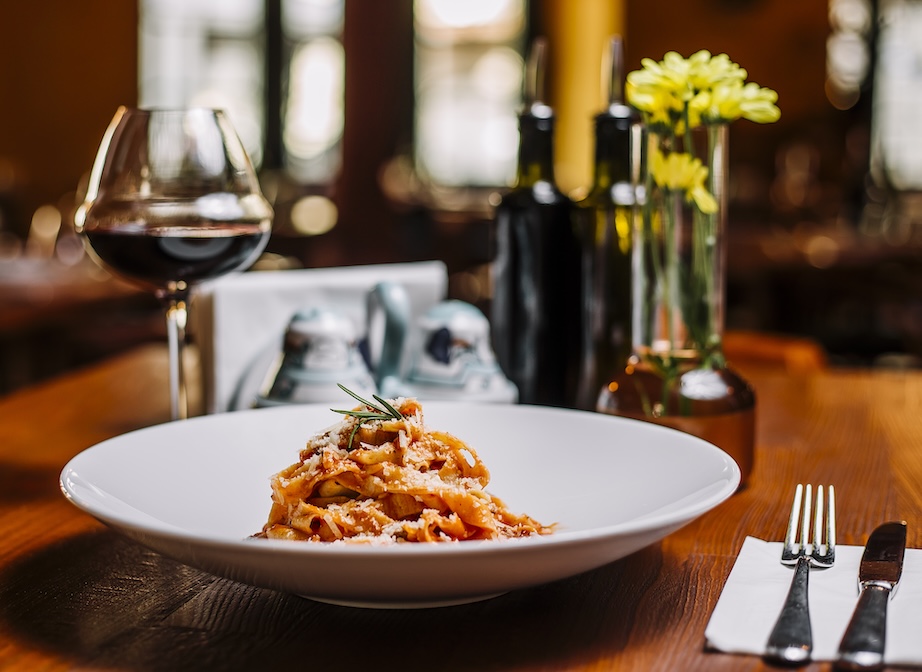
Image by stockking on Magnific
Contributed posts are advertisements written by third parties who have paid Woman Around Town for publication.