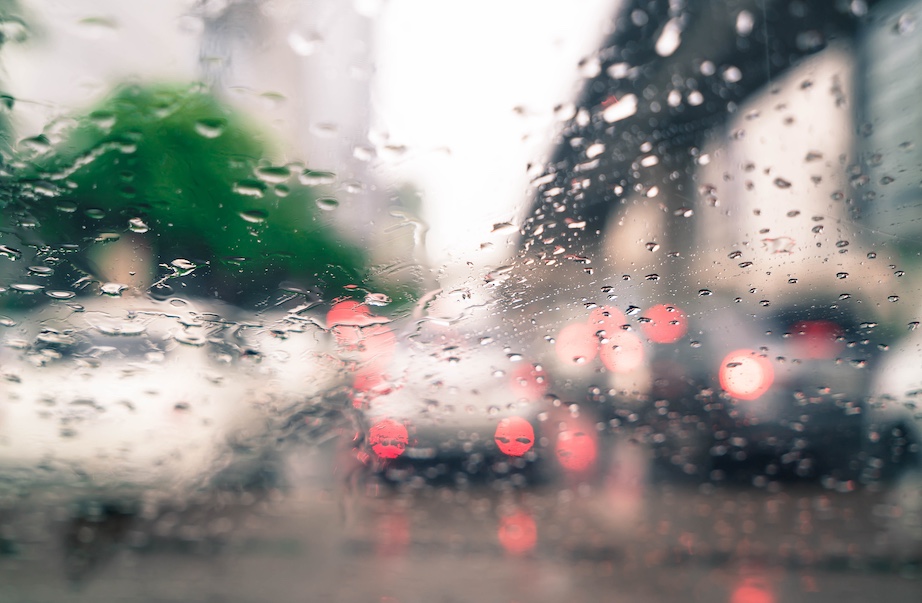
A driver checks the speedometer during a genuinely nasty downpour, confirms it’s sitting right at 55, exactly matching the posted sign along the highway, and feels a certain confidence in that number. Technically legal, technically within the rules, technically fine.
Except technically legal and actually safe aren’t always the same thing, especially once rain, snow, fog, or ice enters the picture. That posted number was calculated for typical, favorable conditions, not for whatever’s actually happening on the road at that particular moment.
The reality here means recognizing that the speed limit represents a maximum under normal, favorable conditions, not a guarantee that the exact same number remains appropriate no matter what’s actually happening outside the windshield at any given moment on the road.
Legal Doesn’t Automatically Mean Safe
Posted speed limits get established based on typical roadway conditions, dry pavement, clear visibility, normal traffic flow. They weren’t designed with every possible weather scenario in mind, which is exactly why bad weather car accidents so often trace back to legal compliance and genuine safety diverging considerably.
Drivers generally carry an obligation to adapt their behavior to actual conditions, not simply to whatever number happens to be posted on a sign along the road. That means slowing down below the posted limit when weather genuinely calls for it, regardless of what the sign technically allows.
Recognizing this distinction matters enormously, since assuming the posted limit is always appropriate, regardless of conditions, can lead directly toward exactly the kind of dangerous overconfidence that contributes to serious weather-related collisions.
Your Tires Have Less Road to Work With
Water on pavement reduces the actual contact between tire and road surface, sometimes dramatically, depending on depth and how quickly water is accumulating during a heavy downpour. That reduced contact directly affects both traction and braking distance.
Snow and ice compound this problem further, sometimes removing meaningful traction almost entirely. Braking distance can extend considerably under these conditions, meaning a stop that would normally take a certain distance on dry pavement can require considerably more room in adverse conditions.
Vehicle control suffers too, since reduced traction affects steering response along with braking. Understanding how dramatically these conditions affect basic vehicle physics helps explain why speed genuinely needs to adjust downward, regardless of whatever the posted limit technically allows.
Visibility Changes Before the Road Does
Weather often reduces visibility before it meaningfully changes the road surface itself, meaning hazards become harder to see well before traction conditions actually deteriorate, creating a dangerous gap between what a driver can perceive and what’s genuinely happening around them.
Fog can reduce visibility dramatically, sometimes to just a fraction of normal sight distance. Heavy precipitation does something similar, along with darkness compounding whatever visibility challenges already exist. Spray from other vehicles adds another layer of difficulty during wet conditions specifically.
Reduced visibility means less time to actually see and react to hazards, compounding the already extended braking distance created by poor traction. Both problems together create considerably more danger than either one alone would create independently.
Weather Can Cause the Danger Without Causing the Crash
It’s worth understanding an important distinction here. Weather itself creates hazardous conditions, but the choices a driver makes in response to those conditions ultimately determine whether that hazard actually translates into an actual collision or gets navigated safely instead.
Two drivers facing identical weather conditions can have genuinely different outcomes, depending on whether they actually adjusted their speed and behavior appropriately, or instead continued driving as though conditions hadn’t meaningfully changed at all around them.
This distinction matters considerably for understanding responsibility after a weather-related collision, since the weather created genuine risk, but the driver’s actual response to that risk often plays the more decisive role in what ultimately happened.
Conclusion
The posted speed limit describes a maximum appropriate under favorable, typical conditions, not a promise that the exact same number remains prudent regardless of whatever rain, snow, fog, or ice happens to be doing to the road at any given moment.
Understanding how reduced traction, diminished visibility, and genuine driver responsibility all combine helps explain why legal compliance alone doesn’t guarantee safety, particularly once weather conditions shift meaningfully away from what that posted number actually assumed.
Recognizing this distinction matters enormously for every driver navigating adverse weather, understanding that genuine safety sometimes requires driving considerably slower than whatever the sign along the road technically permits under normal circumstances.
Contributed posts are advertisements written by third parties who have paid Woman Around Town for publication.