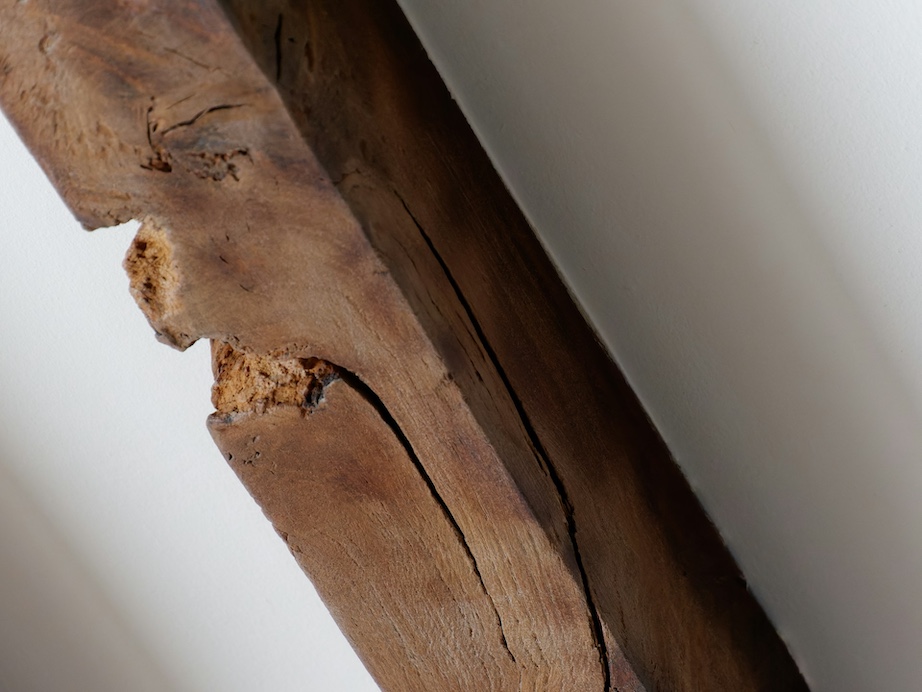
Silent destroyers are rightfully called so. They can penetrate a property and destroy it extensively before homeowners can contact termite control in Plano. Texan climate conditions are conducive to termites all year round, and their late detection may cause severe financial or structural damage to homeowners and property investors.
What might have started as a small infestation that goes unnoticed over time can be a huge undertaking of repair that will touch on the framing of a home and the value of reselling it. To save Texas properties, it is necessary to understand the underestimated costs of termite damage and the delays in detecting termites.
Texas is a High-Risk State for Termite Infestations
Texas has always been one of the most dangerous states in terms of termite attacks. The warm climates combined with the humidity level in most areas and the geographical composition of the soil promote the establishment of termites, which thrive in such conditions. Since the termites tend to live below gardens or in the walls, an infestation may continue to take a long time of months or even years before being detected.
Common Termite Species Threatening Texas Properties
There is a large number of termite species threatening Texas houses, and each has its own behavior, as well as threats. The confusion of these species can be used to explain why the damage can go so fast.
Exhibited in Texas, the most common types of termites are:
- Subterranean termites: It is the most destructive and common species; it forms expansive tunnel colonies; it gets into the buildings by use of mud tubes.
- Formosan termites are aggressive subterranean termites and have the capacity to cause unimaginable destruction within a short period of time.
- Drywood termites: This one is not very common yet rather dangerous, and the termites live in building which do not come into contact with soil.
In Texas, most of the termite problems are caused by the subterranean termites, and they usually attack the foundations, support beams, and the flooring.
Subtle Signs of Infestation and Reasons for Delayed Detection
This is one of the greatest problems associated with termite infestations because they are so difficult to notice at an early stage. In contrast to the other pests, termites can stay concealed until the time when the damage is already caused.
Ordinary, though easy to ignore, symptoms are:
- Hollow-sounding wood
- Wings are discarded around the windows or doorways.
- Little heaps of debris that were of a wood colour.
- Suddenly and unexpectedly sticking doors or windows are stuck.
Homeowners can be misled by all these warning signs, and they may not realize that they are wear and tear, changes of the seasons, or rather issues of moisture.
Direct Costs: Treatment and Structural Repairs
The average cost of repairing a home due to termite damage is approximately $3,000. Costs of treatment are a major issue, especially in cases of large-scale infestations that need repeated application or agile means.
Direct costs often include:
- Professional treatment and control of termites.
- Replacing a damaged frame.
- Repairs of floors, walls, or ceilings.
- Interim outing to perform very big repairs.
In extreme cases, structural termite damage may arguably affect the safety of a home, and thus it may need a lot of reconstruction.
Insurance Gaps and Texas Real Estate Implications
Among the least anticipated issues of termite damage is the fact that termite inspection is usually not included in the normal homeowners’ insurance coverage. Since the termite infestation is deemed a preventable maintenance task, the homeowners are commonly liable for all the expenses.
Termite history also impacts property transactions in the Texas real estate market. Termite and clearance inspection may be a mandatory part of closing between the lenders and the buyers, and records of previous or current infestation can:
- Delay or derail sales
- Reduce property value
- Demand expensive pre-listing repairs.
- Result in renegotiated sale prices.
Investors and homeowners of property will bear the long-lasting paid implication of termite infestation costs when the termites are discovered late.
Prevention and Early Detection Strategies for Texas Homeowners
Prevention and early detection are the most suitable ways of curbing the hidden cost of termites. Both regular inspections and preventive measures can help a great deal in addressing the threat of severe harm.
The recommendations should be to adopt strategies that include:
- Professional installation of termite inspection once a year.
- Foundations are water-retaining and absorb water, resulting in cracks.
- Storing wood and mulch at a distance from exterior buildings.
- Closing openings and apertures.
- Observing crawl spaces and basements.
Other homeowners opt with full-service companies like CitiTurf that include pest management and prevention measures in their overall outdoor landscape maintenance plans. The timely intervention secures the building as well as offers peace of mind.
In Summary
Termite infestation is an unavoidable danger to the state’s climate and the soil, and the fact that the initial warning signs are often insidious encourages the fact that the damage can be inflicted without notice. Added to insurance lapses and real estate complexities, these financial effects may be enormous.
Texas homeowners will save their properties from the unknown termite infestation costs to repair the damages caused by termites and save their investment in the years to come through prioritizing prevention, regular inspections, and early detection of termites.