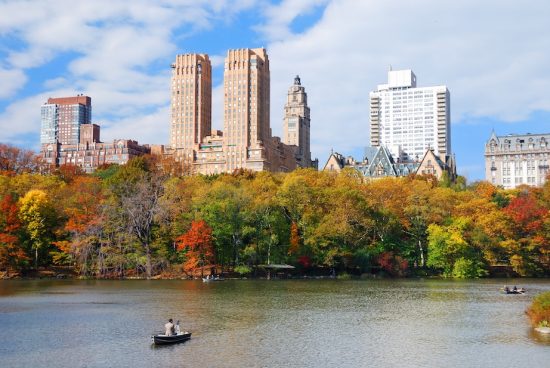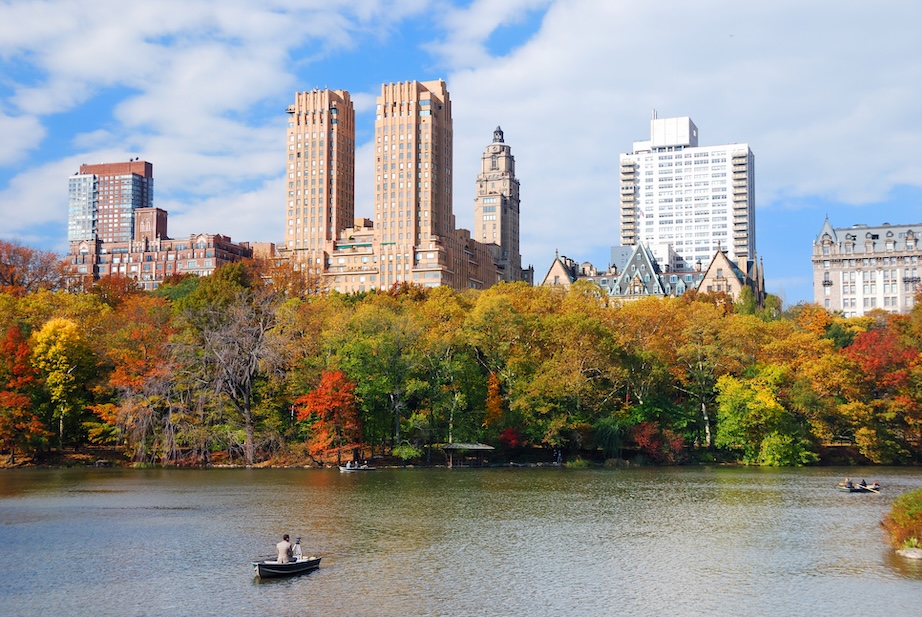
The United States is easy to imagine in highlights: New York’s skyline, California’s coast, the red-rock landscapes of the Southwest, New Orleans music, and the great national parks. The difficulty is not finding somewhere worth visiting. It is deciding what belongs in one journey without turning a holiday into a race.
A memorable American trip rarely comes from covering the greatest distance. It comes from choosing a route that reflects your interests, leaving room for discovery, and resisting the pressure to visit every famous place at once.
Begin With the Feeling You Want
Before opening a map, ask what you want the trip to feel like. Are you hoping for energy and culture, open landscapes, restorative quiet, good food, creative inspiration, or a mixture of city life and nature?
That question is more useful than beginning with a list of landmarks. A milestone birthday with friends may call for theater, restaurants, and a scenic journey. A couple may prefer small towns and characterful stays. A solo traveler might value walkable neighborhoods, guided experiences, and a pace that feels confident rather than rushed.
Travelers researching holidays to the United States can use a tailor-made approach to connect regions, accommodations, and local experiences around their own priorities instead of following a standard tour.
Choose One Strong Story for the Journey
America’s scale encourages ambitious itineraries. It is tempting to combine the Northeast, Deep South, national parks, and West Coast in one trip simply because all of them feel essential.
A better approach is to give the journey a central story.
You might explore the creative cities of the Northeast, linking New York with smaller cultural centers and coastal towns. A Southern route could combine music, food, architecture, and history. The Pacific Northwest offers city neighborhoods, forests, islands, and dramatic coastline. The Southwest lends itself to a road trip built around desert landscapes, art communities, and wide-open space.
A clear theme makes the route feel intentional. It also makes it easier to save appealing but unrelated destinations for another trip.
Let Cities and Landscapes Balance Each Other
An all-city itinerary can become overstimulating, while a journey focused only on remote scenery may feel isolating for travelers who enjoy culture and conversation. Pairing the two often creates a better rhythm.
After several days of museums, restaurants, and busy streets, time beside a lake, in the mountains, or along the coast can feel restorative. Likewise, a lively neighborhood can be welcome after days of driving through quieter landscapes.
The contrast is part of the pleasure.
Stay Long Enough to Develop a Routine
Changing hotels every night may seem efficient, but it quickly turns the trip into a sequence of check-ins, packing, and transportation.
Two or three nights in one place creates a different experience. You can return to a café, walk the same street at another time of day, or accept a recommendation without worrying that the schedule will collapse.
Longer stays can also make solo travel more comfortable. Once you know the route back to your accommodation and recognize the surrounding area, a destination begins to feel less like somewhere you are merely passing through.
Think Carefully About the Road Trip
The American road trip represents freedom, but freedom still benefits from planning.
Driving distances can be tiring, especially when every day includes a new destination. Build the route around manageable stretches and choose stops that add something to the experience rather than merely breaking up the mileage.
Consider luggage, comfort, parking, and whether you genuinely need a larger vehicle. Download maps for areas with limited reception, and avoid arriving in unfamiliar places late at night when possible.
For solo travelers, sharing the route and expected arrival times with someone at home can provide additional reassurance. Confidence often comes from preparation, not from pretending that no risks exist.
Choose Accommodation With Personality and Purpose
Where you stay shapes the mood of the trip. A large hotel may be ideal for a city weekend, while a smaller inn, lodge, guesthouse, or cabin may create a stronger connection to a rural area.
Look beyond appearance. Consider location, parking, access after dark, nearby dining, and whether the host or staff can offer useful local knowledge.
A beautiful property that adds an hour of driving each day may not be the relaxing choice. The best accommodation supports what you want to do rather than competing with it.
Make Local Culture More Than Decoration
Food, music, art, architecture, and community history give each region its identity. Seek experiences led by people who live there: neighborhood tours, independent restaurants, local galleries, small music venues, and regionally owned businesses.
This matters particularly when visiting places connected to Indigenous, Black, immigrant, or other community histories. Listen to how local people tell their own stories rather than treating culture as an attractive backdrop.
Meaningful travel is not about collecting authenticity as a souvenir. It is about approaching a place with enough curiosity to understand that its identity is more complex than the version marketed to visitors.
Leave a Little Space Unplanned
A fully booked itinerary can feel secure, but it leaves no room for the unexpected. One free afternoon can absorb a weather change, a recommendation, or simple travel fatigue.
This is often when the most personal moments occur: a conversation, a shop you did not know existed, a waterfront walk, or a meal that becomes the highlight of the trip.
Planning creates the structure. Space allows the journey to breathe.
Bring Home More Than Photographs
The best trips subtly change how you see ordinary life. A city may renew your interest in art or design. A quiet landscape may remind you how much you need time outdoors. A confident day spent exploring alone may alter what you believe you can do.
America is too large and varied to be completed in one holiday, which is good news. There is no need to force every possibility into the same itinerary.
Choose a journey with a clear point of view. Travel at a pace that lets you be present. Make room for culture, rest, and surprise.
The result will not be the definitive American trip. It will be something better: a trip that feels unmistakably yours.
Image by TravelScape on Magnific
Contributed posts are advertisements written by third parties who have paid Woman Around Town for publication.