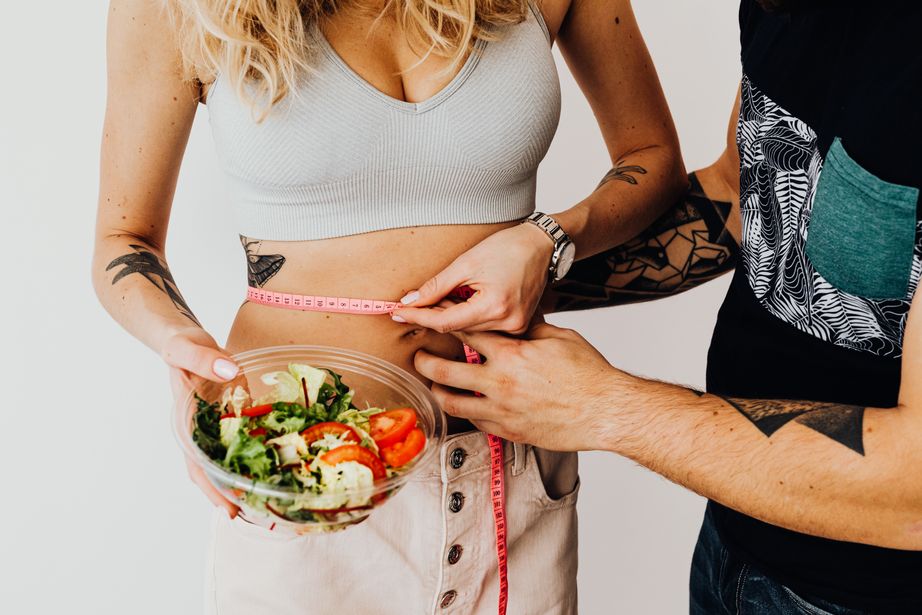
Weight loss advice loves extremes: cut everything, train harder, count every bite. Real life rarely works that way. Long-term progress is often built through small moves that barely feel dramatic: adding protein to breakfast, walking after dinner, drinking water before reaching for a snack, or going to bed on time. These habits may look ordinary, yet they can shape routines that are easier to repeat. When healthy choices become part of your normal day, staying on track can feel less like a daily battle and more like simply living.
The goal is not perfection. It is creating a routine that still works when work gets hectic, plans change, or motivation takes a day off.
Habit 1: Put Protein on Your Plate
A satisfying meal can make the rest of your day easier. Build meals around a protein source, then add vegetables or fruit and a fiber-rich carbohydrate when it suits your needs. Eggs, Greek yogurt, fish, chicken, beans, lentils, oats, berries, vegetables, and whole grains can all fit into a balanced eating pattern.
Protein can support muscle maintenance during weight loss, while fiber can help you stay full between meals. Think practical rather than perfect. A bowl of Greek yogurt with berries and oats can be as useful as an elaborate breakfast. A chicken, vegetable, and rice bowl can make a simple lunch feel complete.
Habit 2: Turn Movement Into a Daily Default
You do not need to live at the gym to become more active. A ten-minute walk after lunch, a few stretches between work tasks, taking the stairs, or a quick home workout can add meaningful movement to an ordinary day.
For people exploring different approaches to personal wellness, a Med spa can sometimes be part of a broader self-care routine alongside everyday habits such as regular movement, balanced meals, and good sleep. The key is to view these options as complementary rather than as substitutes for the lifestyle habits that support long-term weight management.
The easiest trick is to connect movement with something already on your schedule. Walk while talking on the phone. Take a short stroll after dinner. Park farther from the entrance when practical. When movement becomes part of something you already do, it asks for less motivation.
Habit 3: Keep Water Within Reach
A snack craving can arrive with impressive confidence, even when you are simply thirsty. Keeping water nearby gives you an easy first move before grabbing food. Drinking water with meals can also become a simple cue that keeps hydration on your radar.
Your fluid needs vary with activity, weather, diet, and other factors, so there is no universal number that everyone needs to hit. Instead, notice your thirst and make water convenient. A bottle on your desk, in your car, or beside your gym bag removes one obstacle.
Try linking water to predictable moments: after waking up, with meals, before leaving home, or after exercise. Small cues can turn an intention into an automatic routine.
Habit 4: Give Sleep a Regular Slot
Sleep is easy to sacrifice when the day feels packed. Yet tired mornings can make movement, meal planning, and sensible food choices feel harder. A late night can also create extra time for mindless snacking.
Give sleep a regular place on your calendar. Keep your bedtime and wake-up time consistent when possible. Lower the lights, step away from stimulating screens, and give yourself quiet time before bed.
You do not need a picture-perfect nighttime ritual. A predictable routine is enough. Better sleep can support energy, appetite regulation, and the other habits that keep your health goals moving in the right direction.
Habit 5: Measure More Than Pounds
The scale gets a lot of attention, yet it cannot tell your whole story. Notice whether you have more energy, feel stronger, walk farther, sleep better, or move through your day with greater ease. Clothing fit can also provide another practical marker.
A short tracking period can reveal useful patterns. Jot down meals, movement, sleep, hunger, or energy for a few days. You do not have to track everything forever. The point is to learn what helps you feel consistent and where your routine tends to wobble.
Also, zoom out. Body weight can shift from day to day because of hydration, food, hormones, and other normal factors. Weekly or longer-term trends usually tell a more useful story than one morning’s number.
Make Small Wins Your New Normal
Sustainable weight loss is less glamorous than a dramatic transformation story, and that is precisely why it can work. The real progress often lives in repeatable decisions: a filling breakfast, a short walk, another glass of water, a reasonable bedtime, and a broader view of progress.
Start with one habit you can realistically repeat. Give it time to settle into your routine, then add another. Missing a day does not erase your progress. You simply return to the habit at the next opportunity.
If you have a medical condition, take medication, are pregnant, or have a history of disordered eating, talk with a qualified healthcare professional before making major changes to your diet or exercise routine. Weight loss does not need to dominate your life. Small habits, repeated often, can make healthy routines feel surprisingly ordinary again, and that is where lasting change can begin.
Questions People May Ask
Can small habits really help with weight loss?
Yes. Small, repeatable habits can make healthy routines easier to maintain over time. Consistent meals, regular movement, enough water, good sleep, and mindful progress tracking can all support weight management.
How much exercise do I need to support weight loss?
There is no single amount that works for everyone. Starting with short walks, regular stretching, stairs, or brief home workouts can add more movement to your day. You can gradually increase activity based on your fitness level and goals.
Does drinking more water help with weight loss?
Staying hydrated supports normal body functions and can help you distinguish thirst from hunger. Keeping water nearby and drinking it around regular daily activities can make hydration easier to maintain.
Why does sleep matter when trying to lose weight?
Poor sleep can leave you feeling tired and may make meal planning, physical activity, and food choices harder. Keeping a regular sleep schedule can support energy and make healthy habits easier to follow.
Should I focus only on the number on the scale?
No. Weight is only one way to track progress. Energy levels, strength, activity, sleep, clothing fit, and longer-term weight trends can provide additional information about how your routine is going.
Photo by https://kaboompics.com/ on Pexels.com
Contributed posts are advertisements written by third parties who have paid Woman Around Town for publication.