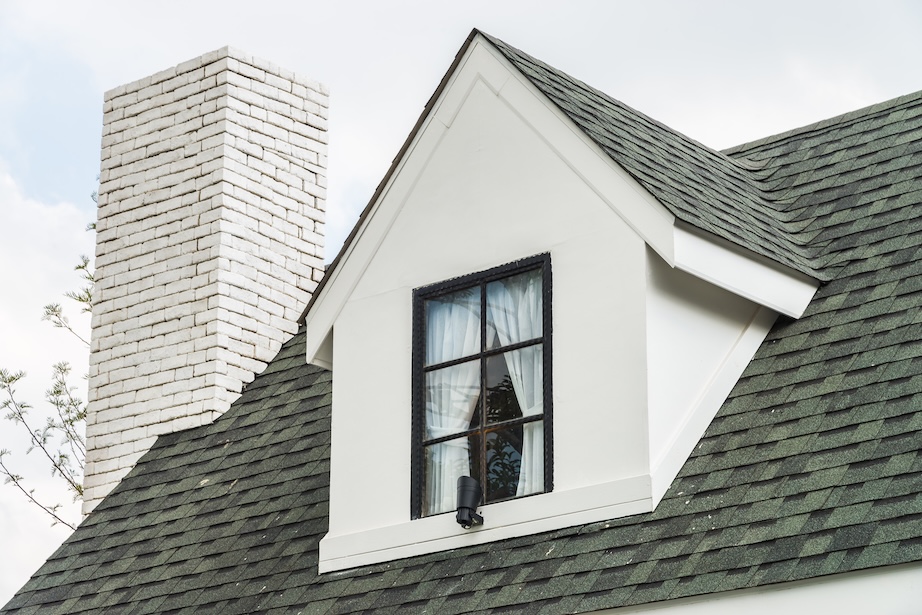
A roof rarely demands attention when everything is working properly. It quietly handles rain, wind, changing temperatures, and years of exposure until a stain on the ceiling or a few damaged shingles suddenly make it impossible to ignore. In Lacey, moisture is an especially important consideration: Washington State rainfall mapping places the area in a zone averaging roughly 40 to 50 inches of precipitation each year. With that much regular exposure to wet weather, weaknesses around shingles, flashing, gutters, and drainage points can become more significant over time. Replacing a roof is therefore about more than choosing new shingles. It is an opportunity to understand how the entire roofing system manages moisture and make decisions that protect the home for years to come.
Pay Attention Before a Leak Becomes Obvious
Roof problems do not always announce themselves with water dripping into a room. Many develop slowly.
Curling or missing shingles, granules collecting in gutters, damaged flashing, sagging areas, and recurring moss growth can all justify a closer inspection. Inside the home, discoloration on ceilings, damp insulation, musty attic odors, or visible moisture may point to a problem above.
A single damaged shingle does not necessarily mean the whole roof needs replacing. The important question is whether the problem is isolated or part of broader deterioration.
Age matters too, but it should not be the only factor. Installation quality, material, weather exposure, maintenance, ventilation, and previous repairs can all influence how well a roof holds up.
Catching problems early creates more options. Waiting until water reaches the living space often means the repair is no longer limited to the visible roofing material.
Know When Repair Is Still Worthwhile
Not every roof problem calls for a complete replacement.
If the roof is otherwise in good condition and damage is limited to one area, repairing shingles, flashing, or another specific component may be perfectly reasonable. A professional inspection should help establish how widespread the deterioration is and whether the surrounding materials remain sound.
The calculation changes when leaks repeatedly appear in different areas, repairs become frequent, or large portions of the roofing material show significant wear.
Homeowners considering repair versus replacement can ask a qualified Lacey roofer to inspect the roof’s current condition, identify where problems are developing, and explain whether targeted work is likely to provide meaningful additional service life.
The most useful answer is not automatically “replace everything” or “patch it again.” It is the option that makes sense for the condition of the entire roof.
Think of the Roof as a Complete System
It is easy to judge a roof by what you can see from the driveway. Yet shingles are only the outermost part of a much larger assembly.
Decking provides the structural surface. Underlayment adds another line of protection against moisture. Flashing directs water away from joints and penetrations, while gutters move runoff away from the building. The attic and ventilation strategy also influence how moisture and heat behave beneath the roof.
Understanding the role of roof flashing and moisture barriers is particularly useful because valleys, penetrations, and roof-to-wall intersections are among the areas most vulnerable to water intrusion.
That is why a replacement estimate should explain more than the brand or color of the shingles. Ask what happens underneath them and how vulnerable areas will be protected.
Choose Materials for the House, Not the Trend
Roofing materials affect appearance, maintenance, lifespan, weight, and cost. The right choice depends on the home itself as much as personal taste.
Asphalt shingles remain common because they offer a practical balance between price and performance. Metal roofing can offer a longer service life in suitable applications, while other materials may be chosen for architectural character or specific performance goals.
Rather than focusing on a single advertised lifespan, ask how a material fits the roof’s slope, structure, exposure, and maintenance expectations.
Color deserves thought as well. A roof occupies a large portion of the home’s visible exterior, so it should work with siding, trim, masonry, and the overall architectural style rather than compete with them.
A roof replacement is expensive enough that choosing purely according to a short-lived design trend rarely makes sense.
Look Closely at Ventilation and Moisture
Some of the most important roofing decisions happen where homeowners rarely look: in the attic.
Moisture can enter an attic through leaks, indoor air movement, or poorly managed ventilation. Over time, persistent moisture can damage roof decking, reduce insulation performance, and contribute to mold or wood deterioration.
A well-designed roof and attic assembly needs an appropriate strategy for controlling both air and moisture. Learning how attic ventilation affects moisture control can help homeowners understand why a roofing project should consider more than the exterior surface.
During an inspection or replacement, ask whether the attic shows signs of staining, condensation, wet insulation, or inadequate airflow.
Replacing the visible roof while ignoring an underlying moisture problem can leave an important part of the issue unresolved.
Compare the Work, Not Just the Bottom Line
Roofing estimates can differ substantially, but comparing only the final numbers can be misleading.
One quote may include complete tear-off, new flashing, upgraded underlayment, disposal, cleanup, and allowances for damaged decking. Another may appear cheaper because some of those items are excluded or treated as additional charges.
Read each proposal carefully.
The estimate should make it reasonably clear what materials are being installed, what happens if damaged decking is discovered, how cleanup is handled, and what warranties apply to workmanship and materials.
It is also worth asking who will perform the work and how responsibility is handled if subcontractors are involved.
The cheapest proposal can still be the right one, but it should be chosen because the scope and quality make sense—not simply because its total is smaller.
Plan for the Disruption of Replacement Day
Roof replacement is construction, and construction is noisy.
Before work begins, move vehicles away from the house, secure fragile objects inside, and clear outdoor furniture or decorations from areas where debris may fall. If there are children or pets at home, consider how the noise and activity will affect them.
Ask the contractor how materials will be delivered, where waste containers will be positioned, and how landscaping will be protected.
You should also understand the expected schedule while recognizing that weather can change it.
A little preparation makes the project considerably easier to live through and reduces the chance of discovering on the morning work begins that your car is trapped behind a delivery truck.
Protect the Investment After Installation
A new roof should not disappear from your attention the moment the crew leaves.
Routine observation can help catch small issues while they are still manageable. Keep gutters and drainage paths clear, watch for debris collecting in valleys, and pay attention to changes after strong weather.
Trees near the house also deserve attention. Overhanging branches can drop leaves and debris onto the roof, shade areas that remain damp longer, or cause physical damage during storms.
Inside, occasionally checking the attic can reveal moisture staining or other changes that may not yet be visible from the rooms below.
The aim is not to climb onto the roof every few months. In many cases, that is unnecessary and potentially dangerous. It is simply to remain aware of the condition of a major part of the home.
Make the Replacement Count
A roof replacement is easy to reduce to shingles and price, but the better decisions happen beneath that surface.
A careful project considers drainage, flashing, underlayment, ventilation, decking, workmanship, material suitability, and future maintenance together. Those details may not be the most exciting part of improving a home, but they often determine how successfully the finished roof performs.
Take time to understand why replacement is needed, compare the actual scope of different proposals, and ask questions about the components you cannot see from the ground.
The roof may eventually fade back into the background of everyday life. That is exactly what you want—because a well-planned roof should spend most of its life doing its job without giving you a reason to think about it.
Image by lifeforstock on Magnific
Contributed posts are advertisements written by third parties who have paid Woman Around Town for publication.