

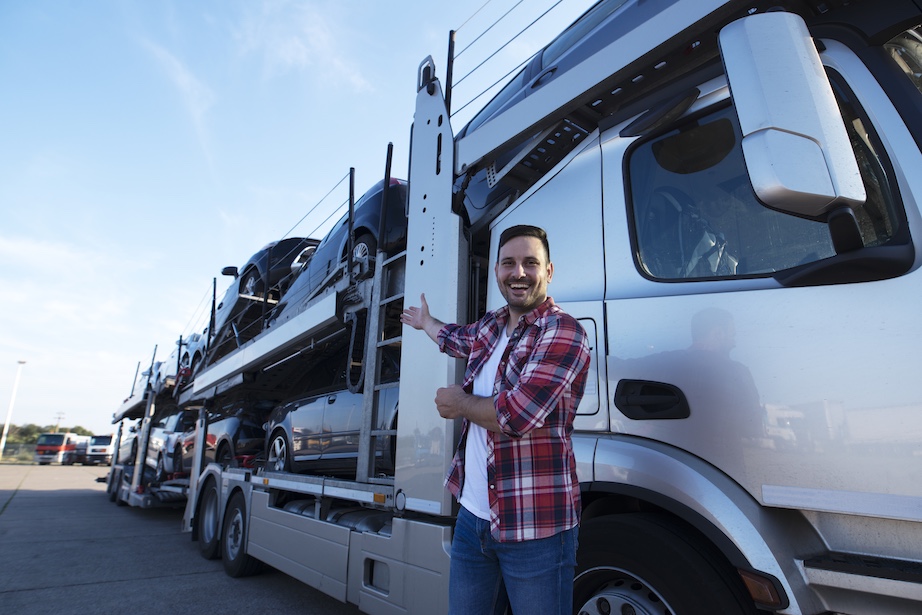
To ship your car North after winter, you should book your transport at least 2–3 weeks in advance to secure a spot during the high-demand “Snowbird” season. Choose between cost-effective open transport or protective enclosed shipping, and ensure your vehicle is cleaned to document its condition accurately. Prices typically peak in March and April due to massive northbound migration.
The Seasonal Surge: Why Everyone is Moving at Once
If you’ve spent the winter in a warmer climate, you’re part of a massive annual migration. In the auto transport world, we call this the “Snowbird” season, and it’s one of the busiest times of the year. From late March through May, thousands of vehicles are moving from Florida, Arizona, and Texas back to the Northeast and Midwest.
The reality of this surge is simple: demand far outstrips supply. There are only so many trailers on the road, and when everyone wants to leave at the same time, prices go up and schedules get tight. It’s not just about finding a truck; it’s about finding a reliable one that won’t bail on you for a higher-paying load at the last minute. This is why understanding the mechanics of the market is more important than just clicking the “cheapest” button on a website.
Timing Your Departure: The “Sweet Spot”
Many people make the mistake of waiting until they are ready to pack their bags before thinking about their car. In the spring, that’s a recipe for stress. If you want a smooth experience, you need to look at the calendar like a strategist.
- The Early Bird Advantage: Booking in late February or early March for an April pickup can sometimes lock in better rates before the peak madness hits.
- The Mid-April Peak: This is the most expensive time to ship. If your schedule is flexible, moving your date by just ten days can sometimes save you $200 or more.
- The Mid-Week Factor: Try to be flexible with your pickup window. A carrier is much more likely to give you a fair deal if you give them a 3-day window rather than demanding a specific Tuesday morning pickup.
Logistics is a fluid business. A truck might get delayed by weather in Virginia or a flat tire in Georgia. When you work with professional logistics services, they act as the buffer between you and these chaotic realities, ensuring that your vehicle remains a priority even when the schedule shifts.
Choosing Your Shield: Open vs. Enclosed Transport
One of the most frequent questions I get is whether the extra cost of enclosed transport is “worth it” for the trip back North. There is no one-size-fits-all answer here; it depends entirely on what you’re driving and your personal tolerance for risk.
Open Transport: The Workhorse
This is what you see most often on the highway trailers carrying 7 to 10 cars. It’s the standard for the industry for a reason: it’s efficient and cost-effective.
- Pros: Significantly cheaper (often 30-40% less), more frequent departures, and easier to book on short notice.
- Cons: Your car is exposed to the elements. Since you’re heading North, this means road salt, rain, and potentially late-season sleet.
Enclosed Transport: The Premium Choice
If you’re shipping a classic, a high-end luxury SUV, or a car with a sensitive paint job, enclosed is the way to go.
- Pros: Complete protection from road debris and weather. The trailers are often equipped with lift gates (better for low-clearance cars) rather than ramps.
- Cons: More expensive and harder to find. Because there are fewer enclosed trailers, you might have to wait longer for a spot to open up.
Preparing the Vehicle for the Climate Shift
Moving a car from 80°F in Florida to 40°F in New York isn’t just a change in scenery; it’s a physical shock to the vehicle. You shouldn’t just hand over the keys and hope for the best.
The Deep Clean
I cannot stress this enough: wash your car thoroughly before the carrier arrives. Why? Because you cannot document scratches, dents, or chips if they are hidden under a layer of dust or pollen. When the driver performs the initial inspection (the Bill of Lading), you want every existing mark to be visible so there are no disputes later if new damage occurs.
Fluids and Tires
Check your coolant and antifreeze levels. While you didn’t need much “anti” in the “freeze” while you were in Miami, you certainly will when the car sits on a trailer overnight in a colder climate. Also, check your tire pressure. Air contracts in cold weather, so a tire that looked fine in the sun might trigger a “low pressure” warning light by the time it reaches its destination.
The “Personal Items” Rule
It’s tempting to treat your car like a giant moving box, especially when you have winter clothes and golf clubs to bring back. However, most carriers are strictly forbidden by DOT regulations from transporting “household goods” inside vehicles.
- Weight Limits: Extra weight can put the truck over legal limits at weigh stations.
- Insurance: The carrier’s insurance covers the car, not your vintage wine collection or your laptop in the trunk. If it gets stolen or damaged, you have zero recourse.
- The “100-Pound” Exception: Some drivers will allow up to 100 lbs in the trunk, but always ask first. Never put items in the back seat where they are visible to thieves at truck stops.
Understanding the “Real” Price of Shipping
In your search for quotes, you’ll likely see a massive range of prices. It’s vital to understand that in auto transport, the “quote” is often just a starting point.
The industry works on a bidding system. A broker posts your shipment to a central board, and carriers look for the most profitable loads. If your broker quotes you $800 but every carrier is asking for $1,000 to move cars on that route, your car will simply sit in your driveway. A good practitioner won’t give you the lowest price; they will give you the accurate price the one that actually gets a high-quality driver to stop and pick up your vehicle.
Mastering the Logistics: From Pickup in the Sun to Delivery in the Cold
The final stages of shipping your car North require a meticulous inspection at both ends of the journey and a clear understanding of the Bill of Lading. To ensure a successful delivery, document your vehicle’s condition with high-resolution photos before pickup, maintain direct communication with your driver during transit, and always perform a final walk-around in daylight upon arrival.
The Hand-off: What Happens at Pickup
When the carrier finally pulls up to your winter home, it’s easy to get swept up in the excitement of heading home. However, this is the most critical window for protecting your investment. The driver isn’t just a guy with a truck; for the next few days, he is the legal guardian of your vehicle.
Don’t let a driver rush you. Some might say, “I’m behind schedule, let’s just sign and go.” Don’t do it. A professional driver knows that a thorough inspection protects them just as much as it protects you. If they aren’t interested in looking at the car closely, that’s your first sign that they might not be the most careful handler on the road.
The Inspection Ritual
- The Walk-around: Walk the car with the driver. Point out every ding, even the ones you think are too small to matter.
- Photo Evidence: Take “context shots” (the whole car) and “detail shots” (specific panels). If you can, take a photo of the odometer and the dashboard while the engine is running to show no warning lights were on.
- The “Dirty Car” Excuse: If your car is covered in Florida dust or Arizona sand, a driver might write “Subject to hidden damage” on the form. This is a red flag for insurance companies. Spend the $10 at a car wash before they arrive; it could save you $2,000 in a denied insurance claim later.
The Bill of Lading: Your Contractual Shield
In the auto transport industry, the Bill of Lading (BOL) is the “Holy Grail.” It serves as your receipt, your condition report, and your contract all in one. If it’s not on the BOL, it basically didn’t happen in the eyes of an insurance adjuster.
| Section | What to Look For | Why it Matters |
| Origin/Destination | Exact addresses and contact names. | Prevents “wrong driveway” delivery delays. |
| Condition Grid | Accurate marks for scratches (S), dents (D), and chips (C). | This is your baseline. Anything new at delivery is the carrier’s responsibility. |
| Terms of Payment | Amount due at delivery (COD). | Ensures the driver doesn’t try to “upcharge” you for fuel on the spot. |
| Signatures | Both yours and the driver’s. | Makes the document legally binding for insurance purposes. |
While Your Car is “In the Air”
Once the trailer pulls away, the “waiting game” begins. It’s natural to feel a bit anxious. Most modern carriers offer some form of tracking, but don’t expect a GPS dot that updates every five seconds like an Uber ride.
Most car haulers are small businesses. The driver is focused on the road, managing logbooks, and navigating weigh stations. The best way to track your car is through the dispatcher or a quick text to the driver in the afternoon.
A Note on “The Gap”: There is often a 24-hour window where the car is loaded but hasn’t “left” the area yet. Carriers often “stage” loads, picking up 3 or 4 cars in one city before hitting the interstate. Don’t panic if your car is still 20 miles from your Florida home six hours after pickup.
The Homecoming: Receiving Your Car in the North
When you get the call that the truck is “two hours away,” try to schedule the delivery for a time when there is plenty of natural light. If the truck arrives at 8:00 PM in the rain, it’s nearly impossible to see new damage. If you have no choice but a night delivery, move the car under a bright streetlamp or into a well-lit garage before signing anything.
The “After” Inspection
This is the mirror image of your pickup inspection. Pull out your original Bill of Lading and your “before” photos.
- Look for “Road Rash”: If you used open transport, check for new rock chips on the hood or windshield.
- Check the Roof and Low Bumpers: These are the most commonly missed areas during inspections.
- Under the Surface: It’s rare, but sometimes fluids can leak from a car loaded above yours. Check your hood and roof for any oily residue or “mysterious” spots.
If you find damage: Do not get into a shouting match with the driver. Simply note the damage clearly on the Bill of Lading beforeyou sign it. Take photos of the new damage with the driver’s truck in the background. Most legitimate companies will handle the claim professionally as long as the paperwork is in order.
Handling the Payment
Most “Snowbird” transports are set up as COD (Cash on Delivery). This is actually a benefit for you. It gives you leverage to ensure the car arrives before the final balance is paid.
- Have the Funds Ready: Drivers usually prefer a Cashier’s Check or Cash. Some may accept Zelle or Venmo, but always confirm this before they arrive.
- The “No Tip” Myth: Tipping isn’t required, but if a driver navigated a blizzard to get your car to your door on time and helped you check the fluids, a $50-$100 tip is a kind gesture that goes a long way in this tough industry.
Conclusion:
Shipping your car North shouldn’t feel like a high-stakes gamble. It’s a logistical puzzle that, when solved correctly, saves you thousands of miles of wear and tear, several days of driving, and the exhaustion of a cross-country trek.
The secret to a stress-free “return North” isn’t finding a magic company; it’s being a prepared customer. By vetting your partners, documenting your vehicle meticulously, and understanding the paperwork, you ensure that the only thing you have to worry about is whether or not you remembered to turn the heater on in your Northern home.
Welcome back and here’s to a smooth transition into the next season.
Image by aleksandarlittlewolf on Freepik
Contributed posts are advertisements written by third parties who have paid Woman Around Town for publication.