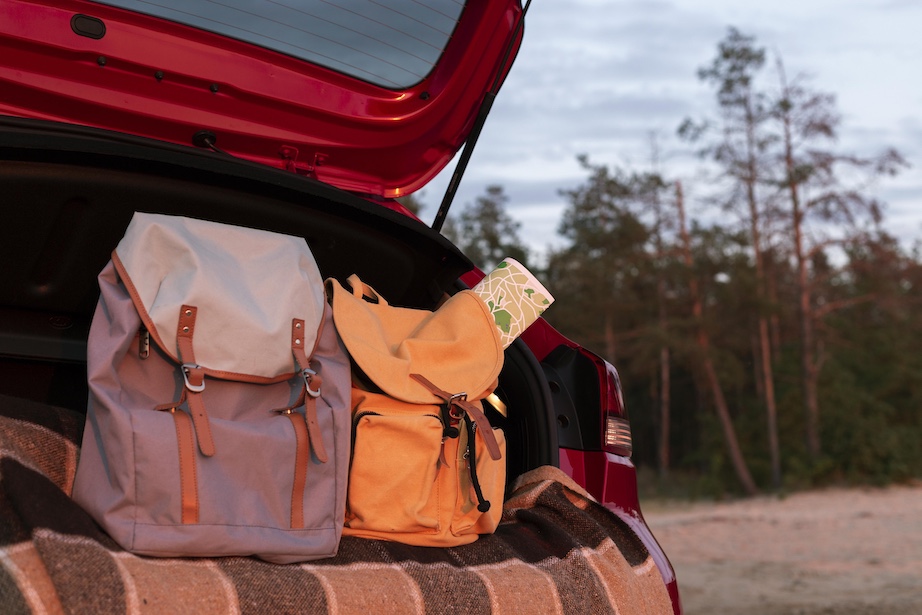
There’s a certain optimism that comes with pulling out of the driveway on day one of a cross-country trip.
The tank is full. The playlist is perfect. Snacks? Plenty. The destination feels exciting because it’s still hundreds, or maybe thousands, of miles away.
Then reality joins the ride.
Construction slows traffic to a crawl. A surprise thunderstorm forces a detour. Your phone battery drops below ten percent just as the GPS reroutes you through unfamiliar roads. Suddenly, the things you packed for comfort matter a little less than the things you packed for inconvenience.
Veteran road trippers know the difference.
Pack for the Journey, Not Just the Destination
It’s easy to focus on what you’ll need once you arrive.
Experienced travelers think about the long hours in between.
A small cooler with water, healthy snacks, and drinks can turn a traffic jam into a minor delay instead of a frustrating ordeal. A lightweight blanket, rain jacket, and change of clothes take up very little room but can make unexpected weather much easier to handle. For travelers heading to destinations where hunting or recreational shooting is part of the itinerary, purchasing rimfire ammo before leaving home can help avoid unnecessary stops or limited availability along the way.
The best travel gear is often the gear you hope never to use.
Your Vehicle Deserves Its Own Checklist
Before packing the trunk, spend some time looking under the hood.
Check tire pressure, fluid levels, windshield wipers, and your spare tire. Confirm that your roadside emergency kit includes jumper cables, a flashlight with fresh batteries, a tire pressure gauge, and a basic first-aid kit.
Most road trips don’t end because someone forgot their favorite hoodie.
Mechanical problems are a much more common reason plans change.
Don’t Let Your Phone Do All the Work
Modern travel depends heavily on smartphones.
They provide directions, hotel reservations, weather updates, and emergency contacts. That’s convenient, until your battery disappears faster than expected.
Carry a portable power bank, extra charging cable, and a vehicle charger that stays in the car full-time. Download offline maps before leaving major cities, especially if your route includes rural highways where cellular coverage can become unreliable.
Technology is wonderful.
Having a backup plan is even better.
Buy the Things You’ll Eventually Need Anyway
One mistake first-time travelers make is assuming they’ll simply buy supplies along the route.
Sometimes that’s true.
Sometimes the nearest store closes early, sits fifty miles off your route, or doesn’t carry what you’re looking for. Purchasing essentials before departure usually saves both time and money while keeping your schedule flexible.
Whether it’s sunscreen, toiletries, medications, or extra windshield washer fluid, buying ahead means one less thing to worry about later.
Preparation Includes Responsible Ownership
Every traveler’s checklist is different.
For families, that may mean extra entertainment for children. For pet owners, it’s additional food and water bowls. For lawful firearm owners traveling where possession is permitted, preparation also includes knowing transportation laws, using secure storage, and confirming that all equipment functions reliably before leaving home.
Some owners also choose to purchase rimfire ammo before their trip rather than searching for supplies along the way. As with any ammunition, reliability should be confirmed in the firearm it’s intended for, and firearms and ammunition should always be transported and stored safely in accordance with applicable laws.
It’s one practical detail within a much larger travel plan, not the focus of it.
Leave Space for the Unexpected
The best cross-country trips rarely follow the original itinerary perfectly.
You’ll discover scenic overlooks that weren’t on the map. A local café becomes the highlight of the day. Maybe you spend an extra hour in a small town because someone recommended a hiking trail you’ve never heard of.
That flexibility becomes much easier to enjoy when you’ve already handled the basics.
Your supplies are organized. Your vehicle is ready. Your emergency kit is complete. Your phone stays charged.
The little details create room for the memorable ones.
Good Planning Makes Better Adventures
Cross-country travel isn’t about preparing for every possible scenario.
It’s about reducing the number of surprises that can spoil an otherwise great trip.
A few thoughtful purchases before you leave, along with regular vehicle maintenance and a realistic packing list, can make hundreds of miles feel a lot less stressful.
No overpacking. No panic buying at the last gas station. Just practical preparation that lets you spend less time solving problems and more time enjoying the road ahead.
Contributed posts are advertisements written by third parties who have paid Woman Around Town for publication.