Every parent wants their child to grow into someone who enjoys discovering new ideas, asking questions, and figuring things out. A love for learning doesn’t just happen—it develops through small habits, open conversations, and a home that encourages curiosity.
Now, let’s talk about how to raise kids who truly love learning new things.
Nurturing a Curious Mind
If you’re looking for fun and meaningful ways to spark your child’s curiosity, the Tuttle Twins books are a great start. They offer engaging stories that teach real-life principles in a way kids understand. You can also explore the Tuttle Times magazine, which features fascinating topics and activities that inspire children to explore and think for themselves.
Encourage Questions Early
Kids are naturally curious. They poke, test, and ask endless “why” questions. Instead of brushing those off, welcome them. When your child asks a question, explore the answer together. Look it up, test it, or let them experiment. That shared curiosity teaches them that learning is something to enjoy, not just something they have to do.
Let Them Explore Freely
Learning doesn’t always come from books or screens. Sometimes, it’s in the backyard, the kitchen, or while fixing something around the house. Give your child the chance to explore safely and lead the discovery. When kids have a say in what they’re learning, they become more invested in it.
Ways to Make Learning Active
Encourage Hands-On Experiences
Kids remember more when they use their senses. Let them build, touch, sort, and create. Whether it’s a simple science experiment, baking together, or assembling a model, active engagement makes ideas stick.
Use Real-Life Situations
Turn everyday moments into mini lessons. Cooking becomes a math and science class. Grocery shopping becomes an opportunity to discuss budgeting and nutrition. When children see learning in action, they realize it’s part of life, not just something that happens at school.
Ask Open-Ended Questions
Try questions like, “What do you think would happen if…?” or “How can we make this work better?” This type of questioning builds critical thinking and keeps curiosity alive.
Building the Right Mindset
Focus on Effort, Not Just Results
Children who believe they can get better through effort tend to stick with challenges longer. Praise their hard work and perseverance rather than just their talent. Say, “I like how you kept trying,” instead of, “You’re so smart.”
Teach Them That Mistakes Are Normal
When kids see you handling mistakes calmly, they learn to do the same. Talk about times you learned something the hard way. This builds resilience and teaches them that setbacks are just part of learning.
Turning Everyday Moments Into Lessons
Read Together Often
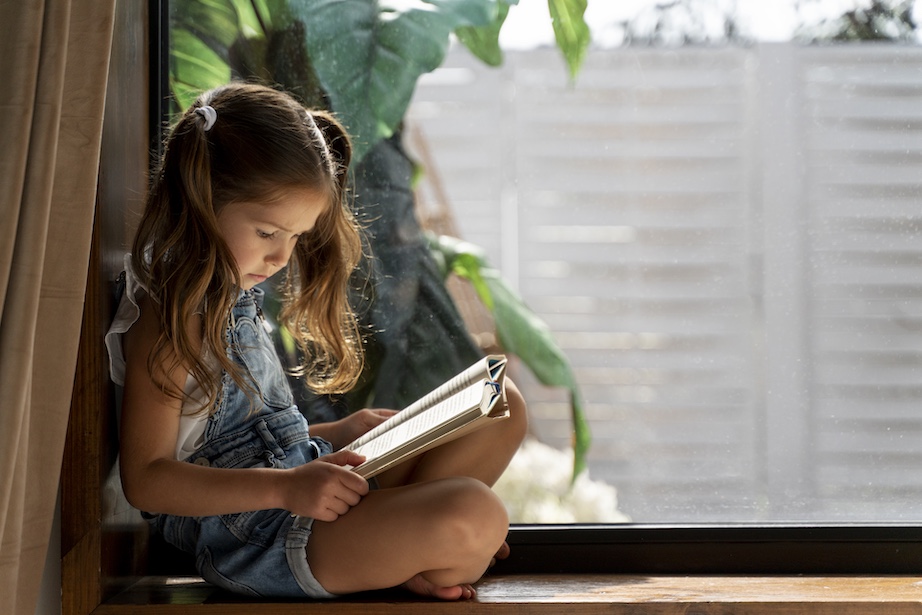
Reading is one of the simplest yet most powerful habits for lifelong learning. Read with your child daily, even for a few minutes. Let them choose some of the books so they feel ownership of the experience. Talk about what you read—ask what they think might happen next or how a character could have acted differently. You can also explore Awesome Books to find engaging titles that spark curiosity and make reading time even more enjoyable.
Keep Learning Conversations Going
Ask about what they discovered at school, what they’re curious about, or what they’d like to learn next. You’ll be surprised how often those talks lead to creative ideas or weekend projects.
Visit New Places
Museums, libraries, nature trails, and local events all open new windows for learning. Encourage kids to ask questions, take notes, or draw what they see. These small adventures build a love for exploration.
Helping Them Find Their Interests
Let Their Passions Lead
Children are more likely to love learning when it connects to something they already care about. If your child loves animals, use that to explore science, reading, or art. If they’re into music, explore rhythm through math or history. Follow their lead and connect learning to what makes them light up.
Offer Choices
Choice gives children a sense of control. Let them pick which book to read, which project to start, or what subject to research. This freedom builds confidence and self-direction—two key parts of loving to learn.
Creating the Right Environment
Celebrate Curiosity
When your child asks an interesting question, show excitement. Say things like, “That’s a great thought!” or “Let’s figure that out together.” Encouragement reinforces that asking questions is something to be proud of.
Limit Pressure and Comparison
Children lose interest when learning feels like a competition. Focus on progress instead of perfection. Every child develops at their own pace, and celebrating small wins helps build steady motivation.
Model Learning Yourself
Show your kids that learning doesn’t stop after school. Let them see you reading, trying a new hobby, or researching something that interests you. When parents model curiosity, kids naturally follow.
Keeping Learning Fun
Use Games and Challenges
Turn study time into a game. You can quiz each other, do puzzles, or create a treasure hunt that teaches problem-solving. Fun and laughter make learning memorable.
Get Social with It
Children often learn better when they collaborate. Group projects, playdates with educational themes, or family learning nights keep things engaging and communal.
Reflect and Talk About Growth
End the day by asking simple reflection questions like, “What did you learn today?” or “What surprised you?” Reflection helps kids process what they’ve learned and notice how they’re improving.
Conclusion
Helping kids develop a love for learning is one of the best gifts you can give them. It shapes how they view the world and how they approach challenges. Curiosity leads to creativity, resilience, and confidence—qualities that carry them well into adulthood.
Certain tools and resources, such as those from Tuttle Twins, make it easier for parents to nurture that spark. When children see learning as something fun and meaningful, it becomes a habit that lasts a lifetime.
Contributed posts are advertisements written by third parties who have paid Woman Around Town for publication.