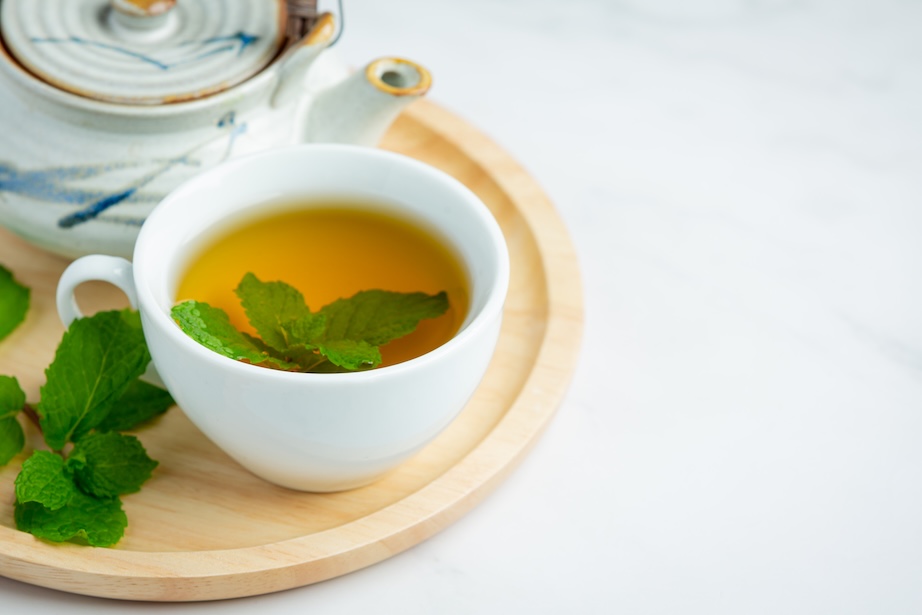
Brewing ideal green tea is a delicate art requiring a bit more mindfulness than just boiling water and tossing in a bag. The trick to having a good experience is about managing temperature and timing so you extract the sweetness but not the bitterness. This blog discusses the changes you must make to make your daily tea routine a more professional and fulfilling sensory experience in the comfort of your home.
Choosing High-Quality Loose-Leaf Tea
A great brew begins with the quality of your leaves, toasted and plugged into your teapot or individual infuser. Loose-leaf varieties generally have a much wider range of complex tastes and natural oils than the dust people often find in standard bags. These whole leaves have plenty of room to expand and let their unique qualities come through, giving you a much smoother, more aromatic cup of tea.
Using Filtered and Fresh Water
Water makes up most of a cup of tea, so the quality of the liquid you use will play a huge role in deciding how clear and delicious your brew is. Do not use water sitting in the kettle for long, or the element will create scale build-up, which harms the taste of brewed tea. Fresh water will allow the subtle floral and nutty notes of green tea to come shining through without being muted by chlorine or other impurities.
Finding the Correct Water Temperature
One of the most common mistakes people make is using boiling water, which burns the green tea leaves and creates a bitter flavour. Aim for a temperature that is slightly below boiling, usually around eighty degrees Celsius, to gently coax the flavours out of the leaf. If you do not have a temperature-controlled kettle, you can let the boiled water sit for a few minutes before pouring it over your tea.
Mastering the Art of Steeping Time
Green tea only needs one to three minutes of steeping time to reach its peak flavour profile and strength. It is a good idea to use a timer for your first few attempts so that you can find the exact duration that suits your personal palate and preference. Once the time is up, remove the leaves immediately to prevent over-extraction and ruin the balance of your carefully prepared beverage.
Selecting the Right Brewing Vessel
You might prefer a glass teapot so that you can watch the beautiful leaves unfurl or a ceramic one that holds the heat steadily for a longer period. Ensure that your vessel provides enough space for the leaves to move so they can release their essence evenly throughout the entire volume of water. A well-designed pot or cup adds a touch of elegance to your quiet moments of relaxation.
Experimenting with Multiple Infusions
High-quality green tea leaves are robust enough to be brewed multiple times, with each steep revealing a different layer of flavour and character. The second or third infusion is actually smoother and mellower than the first one as the leaves continue to open up. To do this, add more hot water to the used leaves and increase the steeping time by about thirty seconds for each new round of tea.
Avoiding Additives for Pure Flavour
While it is common to add milk or sugar, green tea is best enjoyed in its pure form to appreciate the subtle nuances of its natural origin. Adding dairy or heavy sweeteners can mask the delicate, earthy and citrus notes that make this variety so unique and refreshing. If you find the taste too strong, try reducing the steeping time or the temperature rather than reaching for the sugar bowl in your kitchen.
A Summary of the Perfect Green Tea Brew
By controlling the water quality, temperature, and timing, you can unlock the true potential of the leaves and enjoy a professional-standard drink at home. Embracing these details transforms a quick habit into a mindful practice that rewards your senses and supports your daily health goals. Taking the time to brew properly is the best way to honour the tradition of tea and find a moment of peace in your busy lifestyle.
Contributed posts are advertisements written by third parties who have paid Woman Around Town for publication.