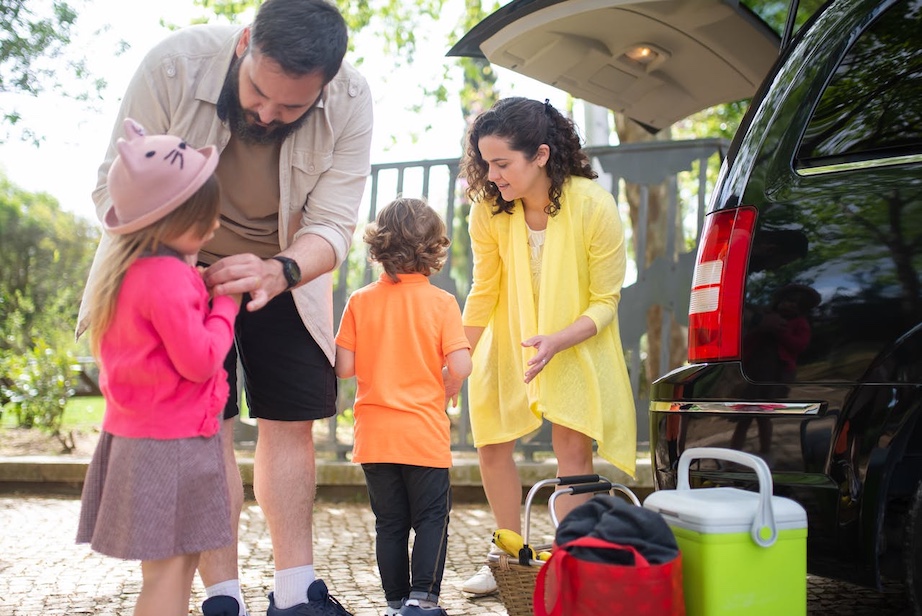
Have you ever set off on a family trip—maybe through the Smoky Mountains in Tennessee—only to hear “Are we there yet?” before you even merge onto the highway? Keeping kids entertained while traveling can feel like a full-time job. Between screens, snacks, and short attention spans, modern travel has become a balancing act. Yet, with the right approach, it can turn into something surprisingly fun for everyone.
Why Travel Feels Harder for Families Today
Traveling with kids has always been tricky, but today’s challenges look a little different. Children are growing up in a world of instant entertainment, where a swipe or tap brings endless content. Long stretches of boredom, once a normal part of road trips, now feel unbearable to them.
At the same time, parents are navigating packed schedules and rising travel costs, which means every trip carries pressure to be “worth it.” The irony is that the more we try to control the experience, the harder it becomes. Kids often need less structure than we think, but more thoughtful engagement than we usually plan for.
Choose Destinations That Do Some of the Work
Not all destinations are equal when traveling with kids. Places that naturally offer built-in entertainment can make a huge difference, especially when energy levels drop. For example, staying in Smoky Mountain cabins with private pool gives kids a consistent source of fun without needing constant planning.
Options like those offered by Luxury Cabin Rentals provide family-friendly features such as game rooms, scenic views, and safe outdoor space. This setup allows children to burn off energy while adults relax. Instead of scheduling every hour, the environment itself becomes part of the entertainment, which is often more effective than any app or toy.
Build a Flexible Entertainment Kit
Packing smart can prevent many mid-trip meltdowns. A good travel kit should include a mix of activities that work both online and offline. Think coloring books, small puzzles, audiobooks, and a tablet loaded with pre-downloaded shows for when Wi-Fi is unreliable.
What matters most is variety. Kids get bored quickly when options feel repetitive, so rotating activities can stretch their attention longer. Keeping items within easy reach also helps, since digging through bags while driving rarely ends well. The goal is to reduce friction, not create more.
Use Screens Strategically, Not Constantly
Screens are often treated as the villain of family travel, but they can be useful when used with intention. The key is timing rather than elimination. Saving screen time for the most challenging parts of the journey—long stretches of highway or flight delays—makes it feel like a reward instead of a default.
Recent discussions around digital wellness have emphasized balance rather than restriction, and that applies here too. When kids know screen time is coming later, they are more willing to engage with other activities first. It becomes part of a rhythm instead of a crutch.
Turn the Journey Into a Game
Travel becomes easier when kids feel like participants instead of passengers. Simple games like license plate bingo, scavenger hunts, or counting landmarks can turn a dull drive into something interactive. These activities require almost no setup but can hold attention surprisingly well.
What makes this approach effective is that it taps into curiosity. Kids start noticing their surroundings instead of focusing only on how long the trip feels. Even older children, who might roll their eyes at first, often end up getting competitive once the game begins.
Plan Stops That Actually Matter
Frequent stops are essential, but not all stops are helpful. Pulling over at a random gas station might solve a short-term problem, but it does little to reset energy or mood. Choosing stops with open space, like parks or scenic overlooks, gives kids a chance to move and explore.
With the rise of road trip culture on social media, more families are seeking out “experience stops” rather than just convenience. A 20-minute break where kids can run around or see something new often prevents hours of restlessness later. It is less about quantity and more about quality.
Keep Food Simple and Predictable
Hunger can quickly turn excitement into frustration, especially for younger kids. Packing familiar snacks helps maintain stability during long stretches of travel. While trying new foods is part of the adventure, it should not replace the comfort of what kids already enjoy.
There is also a practical side to this. Airport delays and traffic jams are becoming more common, and relying solely on restaurants can backfire. Having a steady supply of easy snacks avoids unnecessary stress and keeps energy levels consistent throughout the trip.
Manage Expectations for Everyone
One of the biggest mistakes families make is expecting kids to behave like adults during travel. Long trips test patience, and occasional boredom or frustration is normal. Setting realistic expectations ahead of time helps both kids and parents handle those moments better.
Talking through the plan, including how long the trip will take and what breaks will look like, gives children a sense of control. At the same time, parents benefit from adjusting their own expectations. Not every moment will be smooth, and that is okay.
Let Boredom Do Some Work
It might sound counterintuitive, but a little boredom can actually help. When kids are not constantly entertained, they start creating their own games, stories, and conversations. This kind of unstructured time is becoming rare in a world filled with constant stimulation.
Recent conversations about childhood development have highlighted the value of downtime. Travel offers a unique chance to reintroduce it. Instead of rushing to fill every quiet moment, allowing some space can lead to unexpected creativity and even meaningful family interaction.
It also helps to remember that kids often mirror the energy around them. When parents stay calm and adaptable, children are more likely to follow suit. Small adjustments, like changing plans or adding a quick break, can make a big difference. In the end, the goal is not perfection, but a trip everyone can actually enjoy.
Photo by Kampus Production at Pexels.com
Contributed posts are advertisements written by third parties who have paid Woman Around Town for publication.